

Jewish Symbols in Modern Design: Star, Chai, Hamsa and Menorah
Jewish visual language is old, but the way it appears on a hoodie in 2026 is not. Symbols that spent centuries confined to ritual objects and synagogue architecture now show up in streetwear, tattoo work and graphic design - and the translation raises real questions about what carries over.
The Star of David
The Magen David is the most recognisable Jewish symbol in the world and, surprisingly, one of the most recent. It has no biblical basis. The hexagram appears in various cultures for centuries before it became specifically Jewish, and it only became a widespread Jewish emblem in medieval Prague, spreading from there.
Its modern weight comes from two opposite associations. It was the badge Jews were forced to wear under Nazi rule, and it is the symbol at the centre of the Israeli flag. That double history means the star is never neutral. Worn visibly, it is read as a statement - which is precisely why many people choose it.
The chai
The two Hebrew letters spelling "life," worn as a pendant since at least the 18th century.
Its appeal is partly numerical. The letters total 18 in gematria, which is why Jewish charitable giving so often comes in multiples of eighteen. Writing a cheque for 180 rather than 200 is a small act of encoding.
The chai reads warmer than the star. It is an affirmation rather than an identifier, and it carries less political freight.
The hamsa
The open hand with an eye at its centre is shared across Jewish, Muslim and North African traditions - one of the clearest pieces of evidence for how much Mediterranean cultures borrowed from each other.
In Jewish use it is associated with protection against the evil eye, and it is especially common in Sephardic and Mizrahi communities. Its shared heritage occasionally makes people uneasy, but the honest answer is that it belongs to several traditions at once, and always has.
The menorah
Two distinct objects get called a menorah. The seven-branched lampstand from the Temple is the older, and it is the emblem of the State of Israel. The nine-branched chanukiah is the Hanukkah one.
Design conflates them constantly. It is not a serious error, but the distinction is worth knowing - the seven-branched form carries national and Temple associations, while the nine-branched one is specifically about the holiday.
Hebrew as image
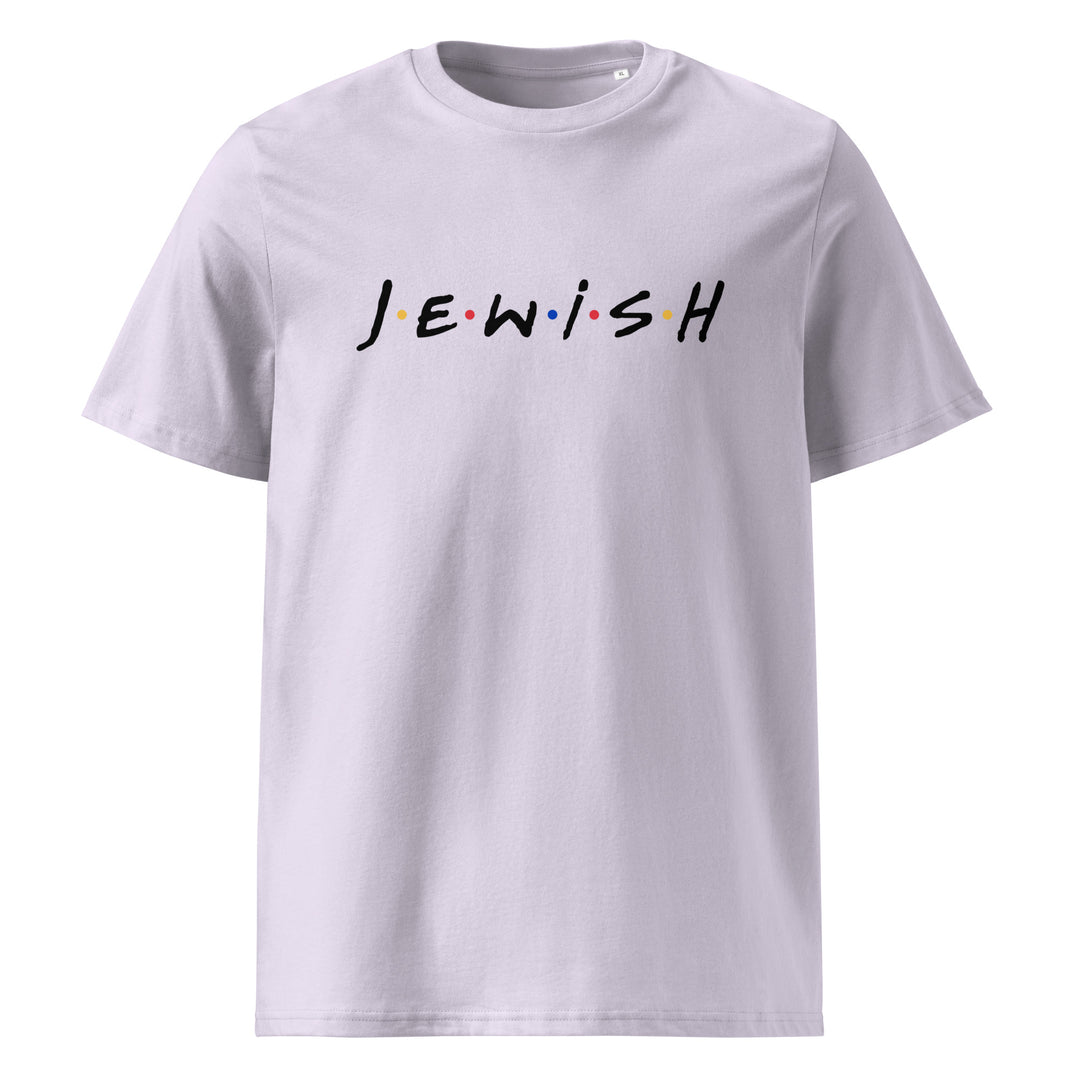
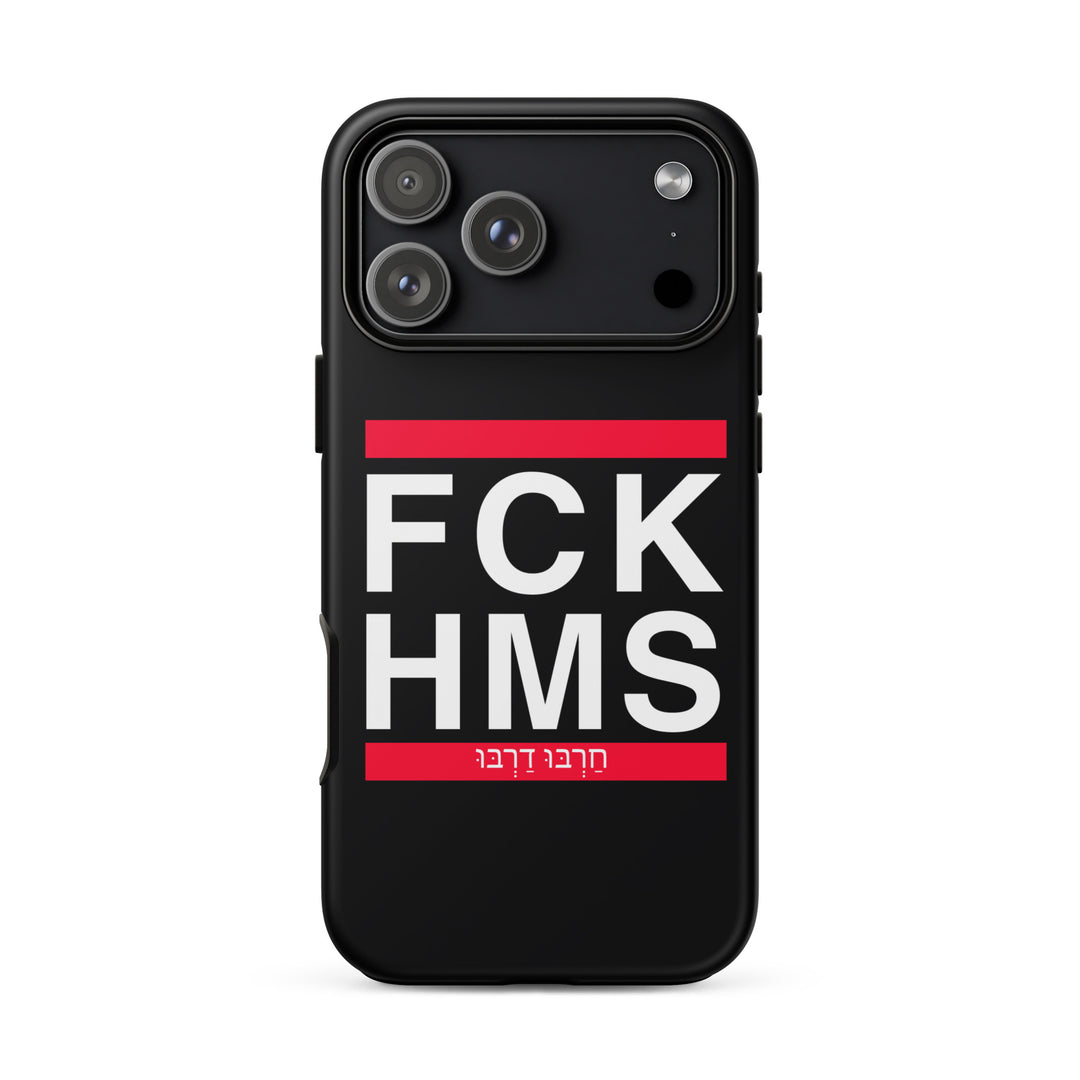
The most significant shift in contemporary Jewish design is the use of Hebrew text as a graphic element in its own right - not as a caption but as the design.
This works because Hebrew letters have strong architectural forms and because, for non-readers, they function as pattern. For readers, they say something specific. A garment that operates on both levels simultaneously does something no English slogan can. Our Jewish symbols and Hebrew apparel is built on that principle.
Where it goes wrong
A few failure modes worth naming:
- Symbols used purely decoratively, with no understanding of what they mean - usually obvious to anyone who does know
- Sacred text on inappropriate objects. Verses from the Torah on footwear, for instance, is a genuine problem rather than a matter of taste
- Mixed symbols with contradictory meanings - combining ritual elements that belong to different contexts entirely
- Distorted Hebrew, stretched or reversed until it becomes nonsense
The underlying question
Is putting a religious symbol on a sweatshirt a diminishment of it?
The most persuasive answer is that Jewish practice has always moved between the sacred and the domestic without much anxiety. The same symbols appear on Torah crowns and on kitchen tiles. Objects carry meaning according to how they are treated, not according to what they are made of.
A garment worn with intent - as identity, as memory, as a statement in a moment when that statement costs something - is doing recognisable work. That has always been part of how Jewish symbols function.
Shop the look
Symbols worn with intent - the Star of David, the flag and the yellow ribbon: