

















Jewish Humor Explained: Mensch, Chutzpah, Kvell and More
Jewish humour has donated a surprising number of words to English, and most of them are used slightly wrong. This is a guide to what they actually mean, including the ones that are insults.
The Words People Use About Themselves
Mensch
Literally a person, from German. In Yiddish it means a decent human being: someone who does the right thing without being asked and without announcing it.
It is high praise, and it is not given out casually. Calling someone a mensch says more about their character than a long recommendation letter would. You cannot claim it for yourself.
Chutzpah
Nerve, gall, outrageous audacity. The standard illustration, from Leo Rosten, is the man who murders his parents and then throws himself on the mercy of the court because he is an orphan.
It sits somewhere between admiration and disbelief. In English it has drifted toward simple boldness, which loses the edge. Proper chutzpah requires that the person has genuinely gone too far.
Kvell
To burst with pride over someone else, usually a child or grandchild. A parent watching their kid graduate is kvelling. It is specifically pride on behalf of another person; you cannot kvell about yourself.
Nachas
The feeling a child gives a parent by turning out well. Closely related to kvell: nachas is what you receive, kvelling is what you do about it. A grandparent showing you photographs is collecting nachas.
The Words That Are Complaints
Kvetch
To complain, persistently and with commitment. A kvetch is both the act and the person doing it. There is a certain grudging respect in the word: a real kvetch has stamina.
Shlep
To drag something, or to make a tiring journey. Both the object and the trip can be a shlep. Carrying four bags across town is shlepping; the trip itself is also a shlep.
Shtyus
Nonsense, foolishness, not worth taking seriously. From the Hebrew shtut. Dismissing something as shtyus closes the conversation.
The Insults, Ranked Roughly
Yiddish has a great many words for fool, and they are not interchangeable.
- Nudnik — a pest. Not stupid, just relentless. The person who will not stop asking.
- Schlemiel — a clumsy fool. The one who spills the soup.
- Schlimazel — the unlucky one. The soup lands on him.
- Shmendrik — an ineffectual person, slightly pitiable.
- Putz and schmuck — both literally vulgar, both meaning a contemptible person. Considerably ruder in Yiddish than they sound in English.
The schlemiel and schlimazel pair does a lot of work: it separates the person who causes the disaster from the person it lands on, which English needs two clauses to say.
The Ones for Talking
- Shmooze — to chat warmly, often with an angle. In English it has picked up a networking connotation the Yiddish did not have.
- Tsuris — troubles, the ongoing kind rather than a single crisis.
- Bashert — destined. Most often used for the person you were meant to meet.
- Mishpocheh — family, extended generously to anyone who has been absorbed into it.
- Oy vey — literally oh, pain. The full form is oy vey iz mir, oh, woe is me.
Why the Jokes Work This Way
Jewish humour is unusually willing to turn inward. The target is frequently the speaker, the family, or the community, rather than an outsider. Freud noticed this and thought it was almost unique.
The structure tends toward argument rather than punchline. A great many jokes are really arguments with an unexpected conclusion, which is recognisably the same shape as a page of Talmud. That is not a coincidence; it is what centuries of studying texts by disputing them does to a sense of humour.
It also runs on a particular kind of realism. The optimist says things could not possibly get worse. The pessimist replies: oh yes they could.
Common Questions
Is Yiddish still spoken?
Yes. It is the daily language of many Haredi communities, particularly in New York, London, Antwerp and Israel, with well over half a million speakers. It is also taught at universities and has an active literary scene. Reports of its death were premature.
What is the difference between Yiddish and Hebrew?
Yiddish is a Germanic language written in Hebrew letters, with Hebrew and Slavic vocabulary mixed in, and it developed among Ashkenazi Jews in Central and Eastern Europe. Hebrew is a Semitic language, the language of the Torah, and now the everyday language of Israel. They share an alphabet and not much else.
Can non-Jews use these words?
Most of them are simply English now. Chutzpah, schlep, klutz and glitch are in every dictionary. The insults are worth more care, since several are ruder than they sound.
Why do so many Yiddish words start with shm?
Partly coincidence and partly a real construction called shm-reduplication: repeating a word with shm attached to dismiss it. Fancy shmancy. Humour shmumour. English borrowed the pattern without borrowing the grammar.
From the MoT Shop
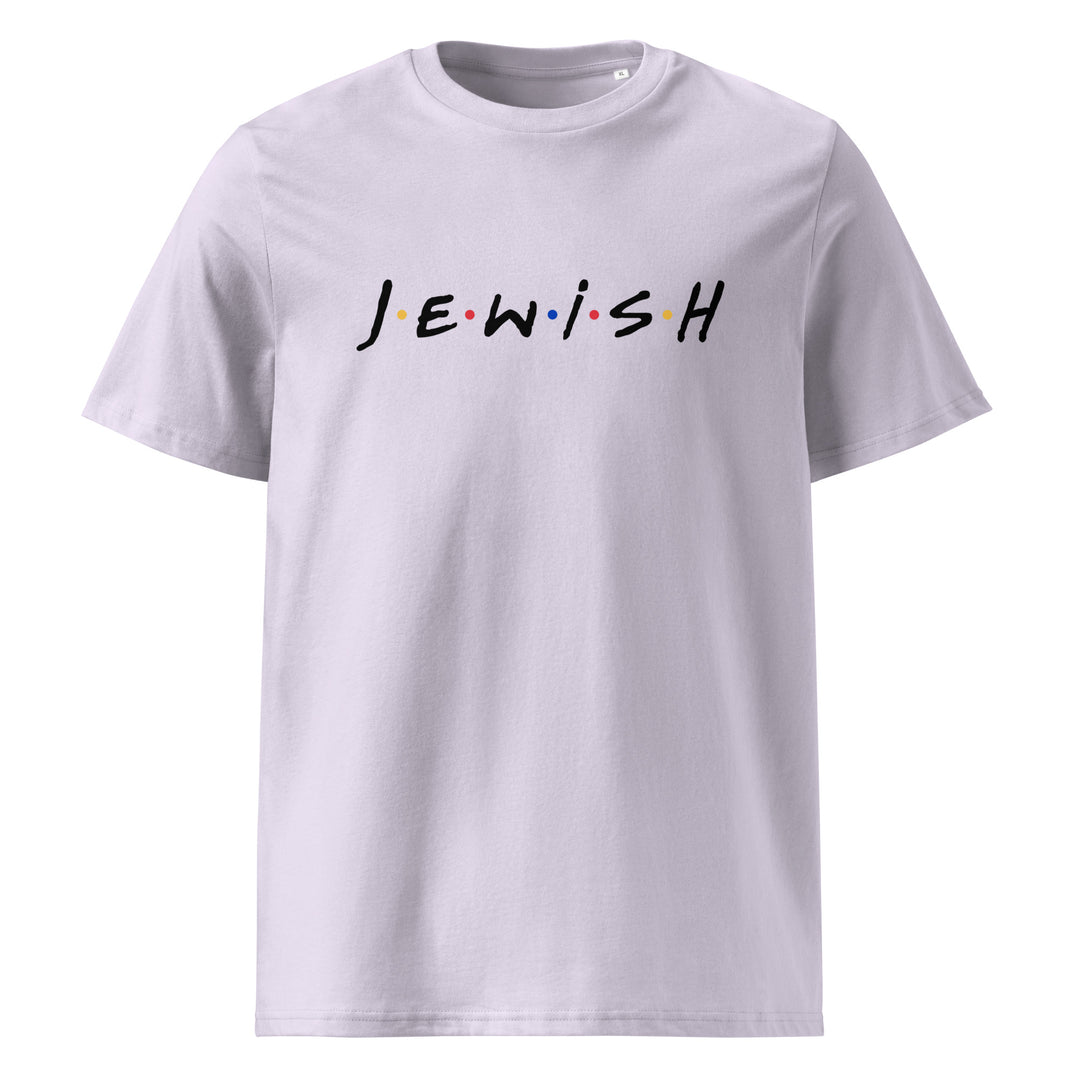
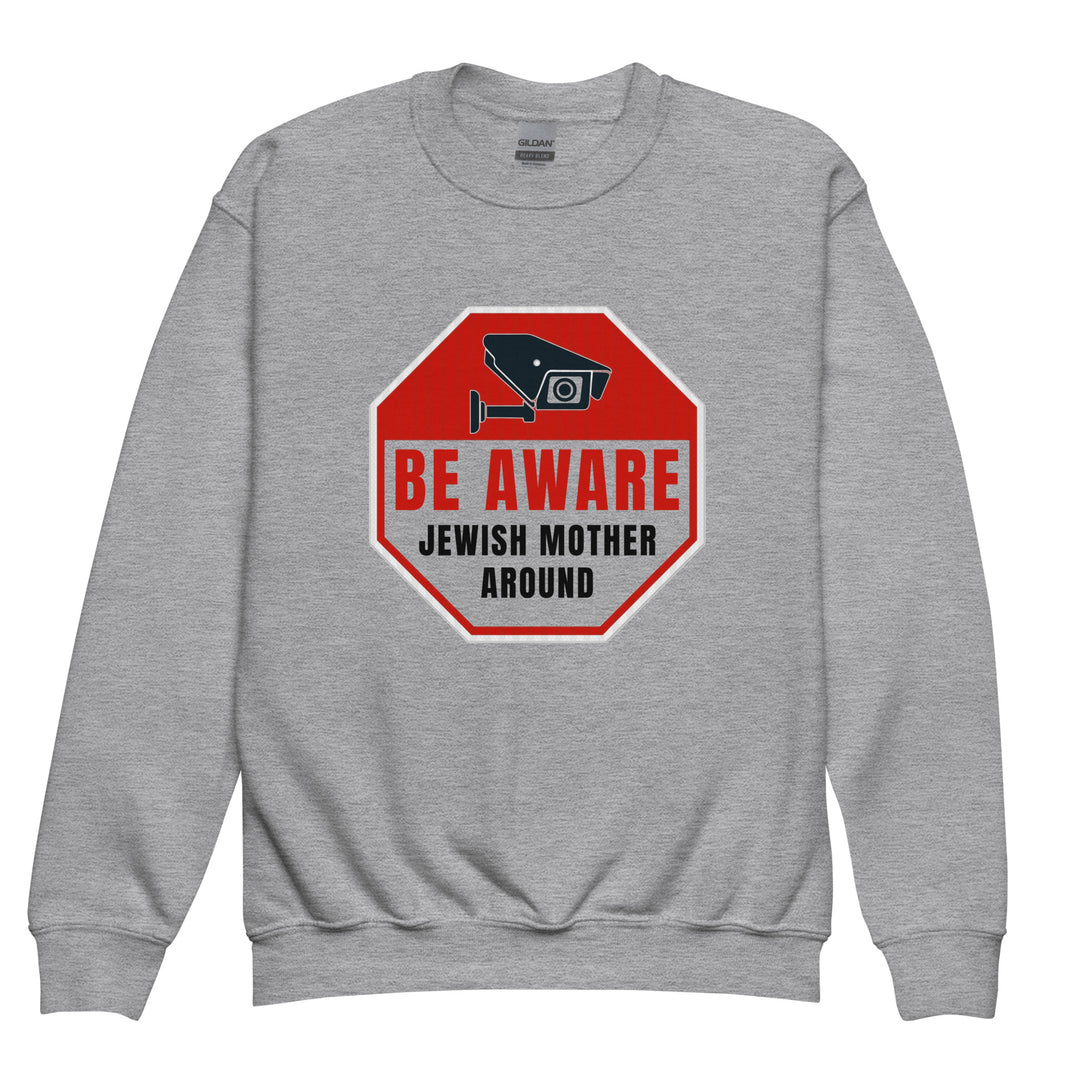
Our Yiddish shirts and Jewish humor collection includes Chutzpah Mode and Hot Girl Shtyus, both drawn in house. We also carry Jewish food shirts and funny Jewish shirts. Printed to order, shipped worldwide.