




Jewish California: Los Angeles, the Bay Area and the Communities Between
California holds the second largest Jewish population of any American state: roughly 1,188,000 people. Most of them live in two places that could hardly be more different from one another.
Los Angeles
The Los Angeles-Long Beach metropolitan area counts about 691,000 Jews, with roughly 519,000 in the city itself. That makes it the second largest Jewish community in the United States and among the largest anywhere.
Pico-Robertson
The centre of observant Jewish life in Los Angeles. Over the past two decades the Orthodox community has grown to become the largest denominational group in the neighbourhood, driven substantially by Chabad, which operates eleven centres in the immediate area including two high schools, a cheder, a day school, six synagogues and a community centre.
Minyan Finder lists over twenty synagogues in the neighbourhood. There are four men's mikvaot and one for women, the latter known simply as the Los Angeles Mikvah. The Museum of Tolerance opened here in 1993.
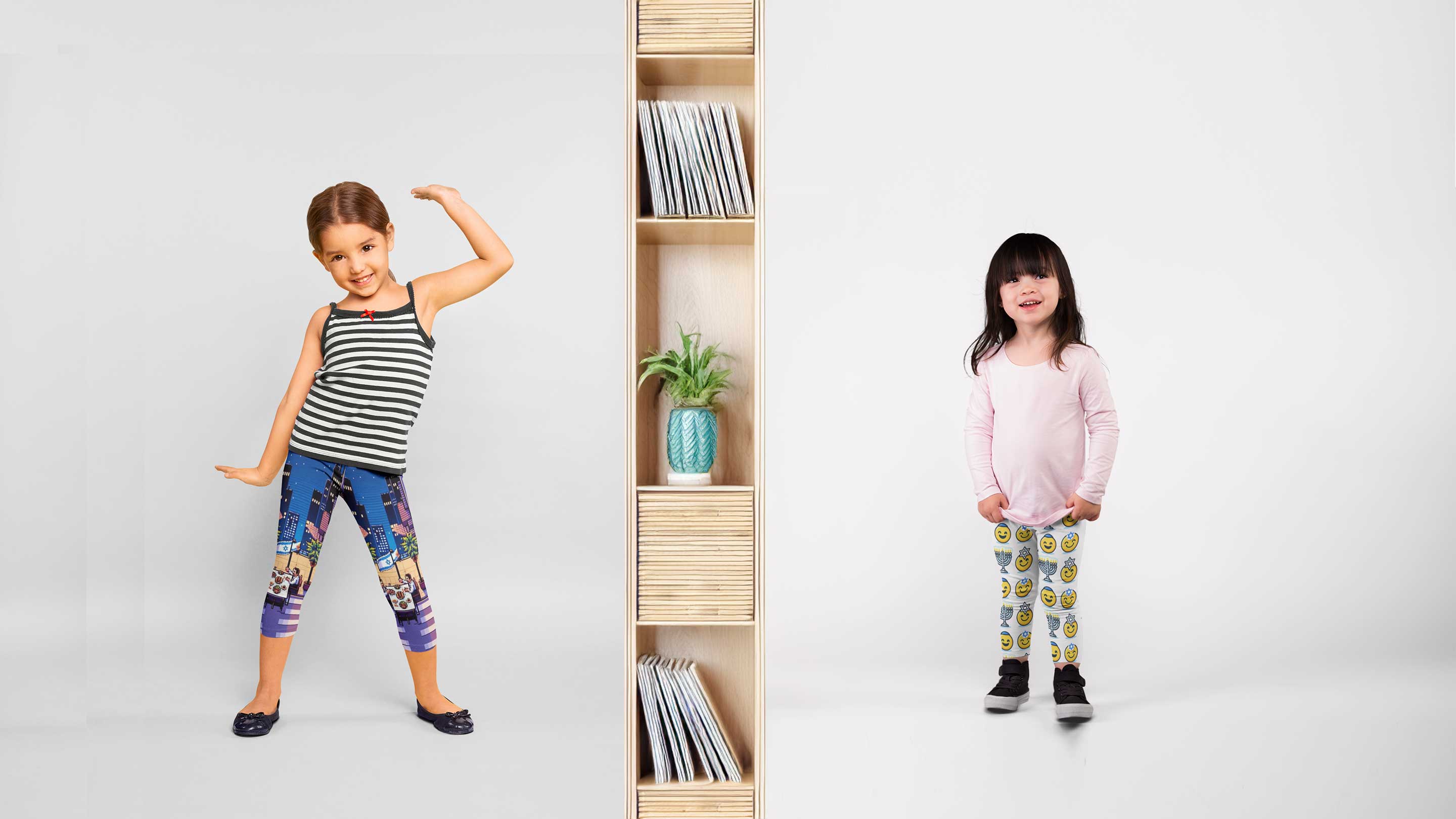
Wearing it where you live: our Star of David and Jewish symbols collection covers the classics, printed to order and shipped anywhere in California.
The Valley and the Westside
Valley Village, Tarzana and Woodland Hills hold established communities in the San Fernando Valley. Westwood sits near UCLA. The spread is wide, which is the Los Angeles pattern generally: no single dense quarter, but a network of neighbourhoods connected by car.
Israeli Los Angeles
Los Angeles holds roughly forty thousand Israeli Americans, proportionally more than New York. Hebrew is a working language in parts of the Valley, and the Israeli community keeps its own restaurants, schools and shops.
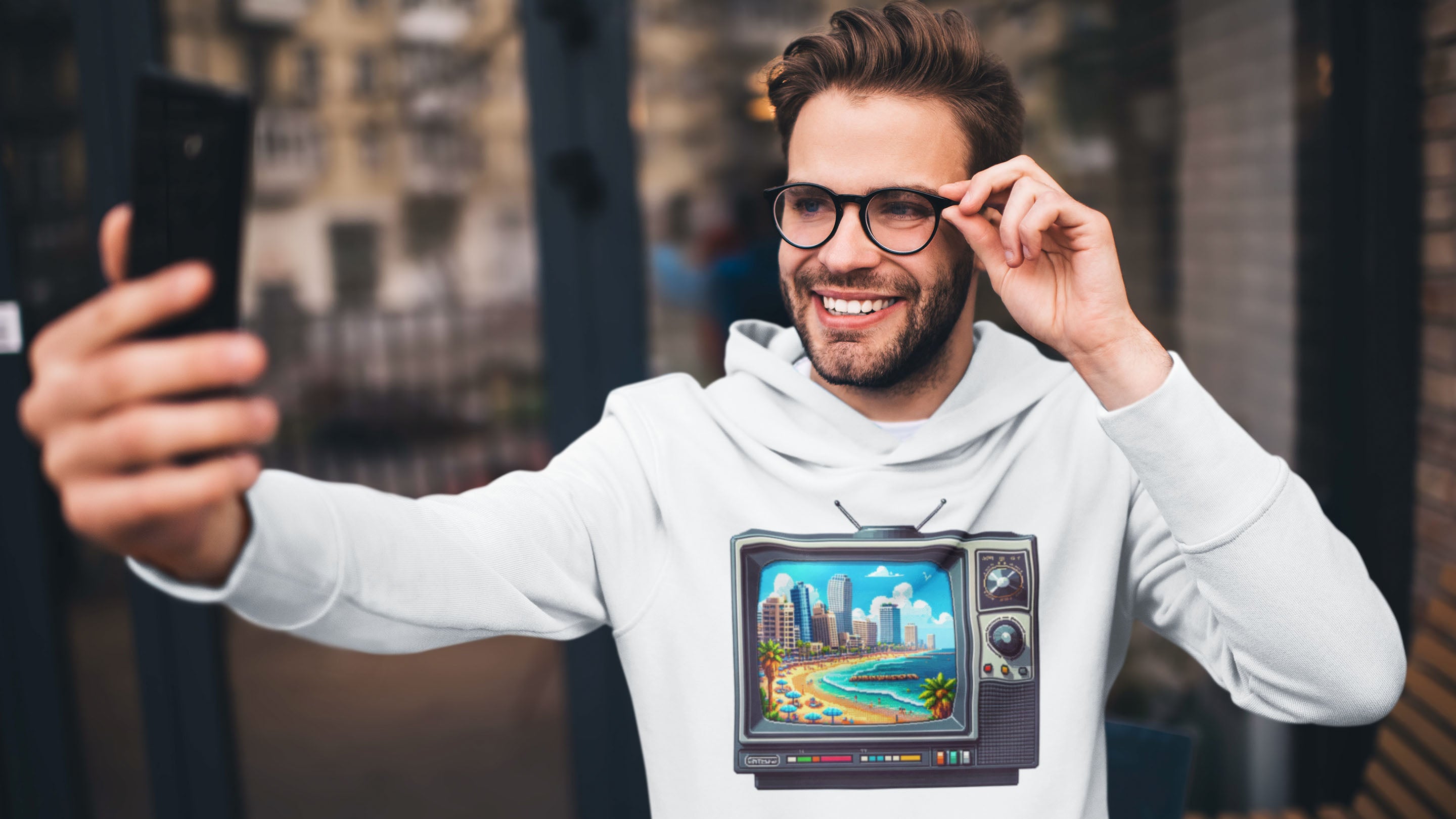
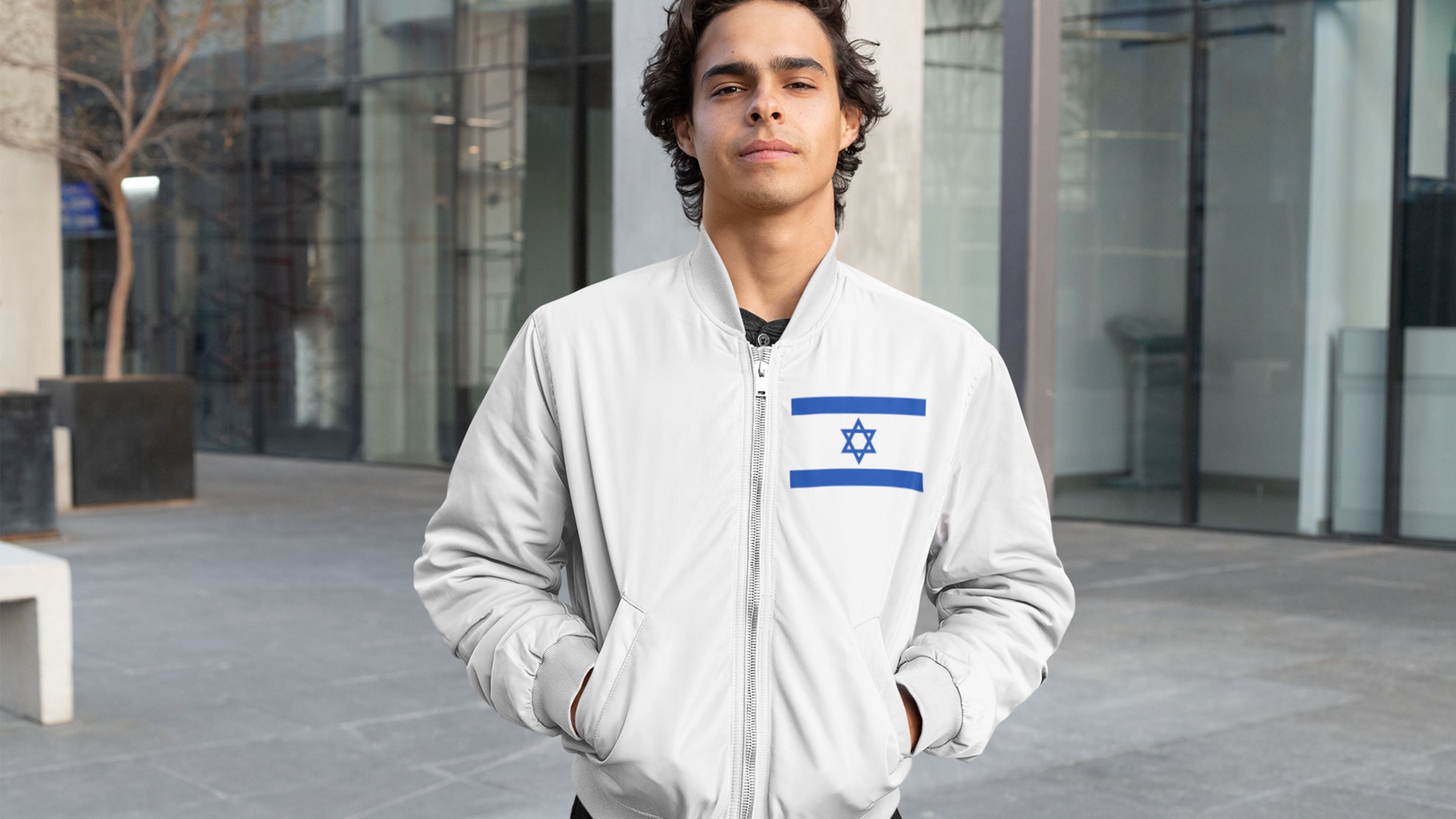
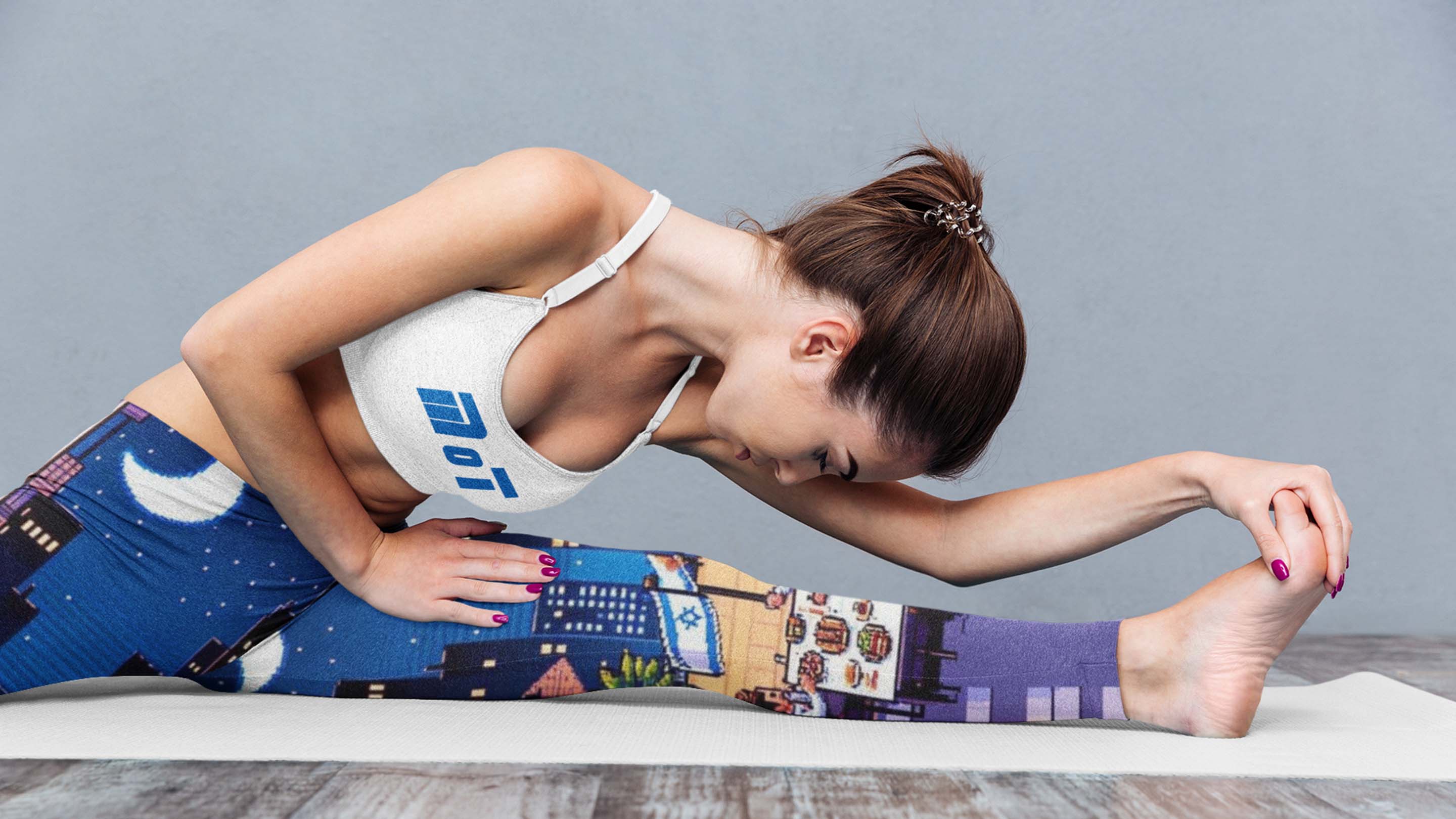
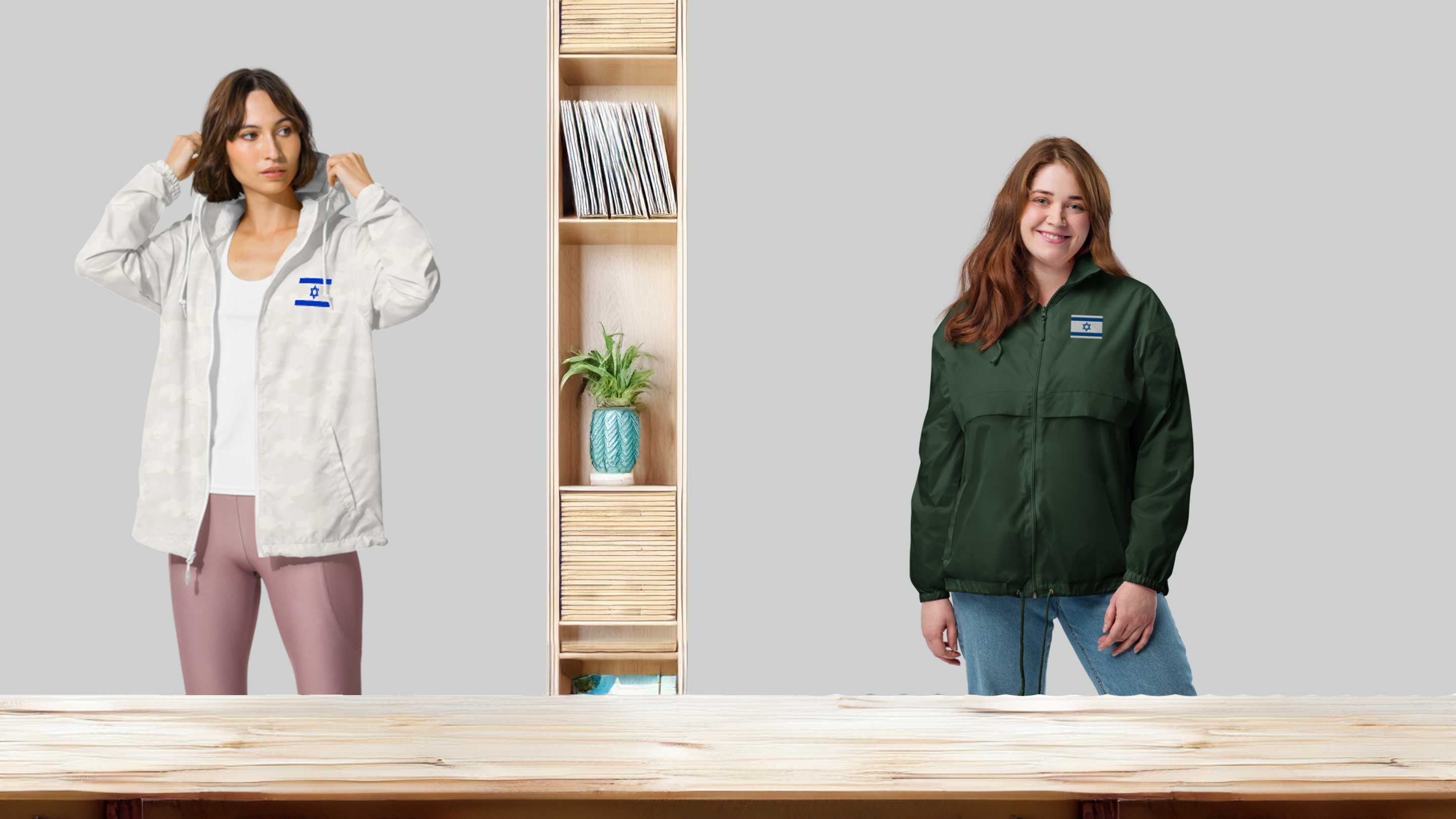
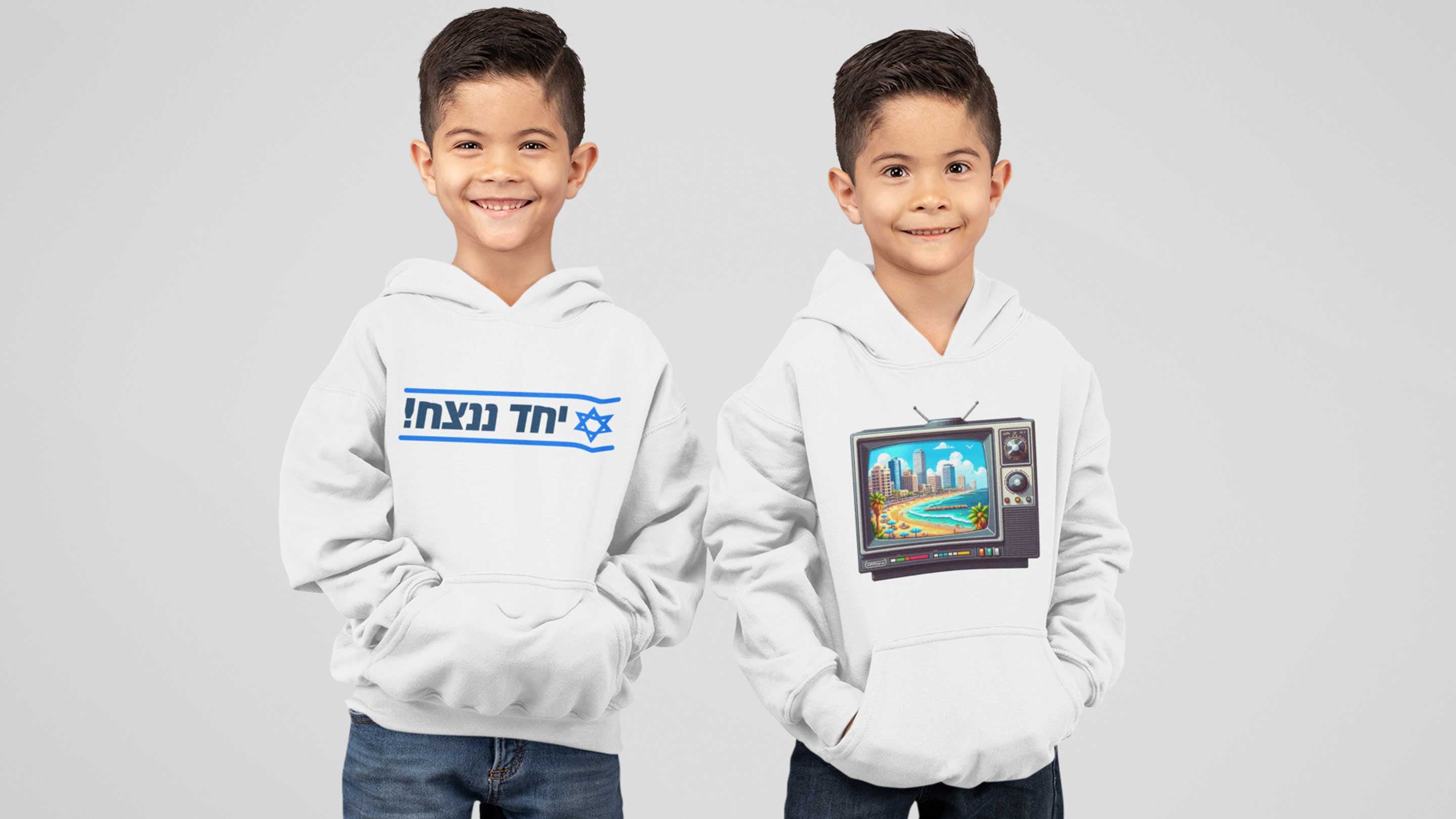
If that is your corner of it: our Tel Aviv shirts and apparel carry original pixel-art designs of Frishman Beach and TLV nightlife, and our Israel flag apparel runs from tees to swimwear.
The Bay Area
The San Jose-San Francisco-Oakland region counts about 363,000 Jews, with roughly 227,800 in the Bay Area proper. The character differs sharply from Los Angeles: more Reform and Conservative, more unaffiliated, heavily concentrated in academic and technology work.
Orthodox communities exist in the Outer Richmond and Sunset District in San Francisco, and in Berkeley, Oakland and Palo Alto. Palo Alto in particular has grown alongside Stanford.
For the less liturgical end of the shelf: our funny Jewish shirts and Yiddish shirts and Jewish humor are drawn in house, not borrowed from pop culture.
What Distinguishes Jewish California
Two things stand out against the East Coast pattern.
First, the community is younger as a settlement. New York's Jewish institutions go back to 1654. Los Angeles built most of its infrastructure in the twentieth century, much of it after the Second World War.
Second, it is more dispersed. There is no Californian equivalent of Borough Park, where you can walk the length of a community. Pico-Robertson comes closest, and it is still a neighbourhood you drive through rather than walk across.
Common Questions
How many Jews live in California?
Roughly 1,188,000, second only to New York. Los Angeles County holds the largest share.
What is the most Jewish neighbourhood in Los Angeles?
Pico-Robertson, by concentration of institutions and observant residents. Over twenty synagogues operate within the area.
Is there a large Israeli community in Los Angeles?
Yes. Around forty thousand Israeli Americans, which is proportionally larger than New York's Israeli community.
How does the Bay Area differ from Los Angeles?
Smaller, less Orthodox, more unaffiliated, and concentrated around universities and the technology industry rather than around synagogue networks.
From the MoT Shop
We print Jewish and pro-Israel designs to order and ship across the United States. Browse our Jewish streetwear, our Jewish food shirts, or read our guide to Jewish symbols.