

Hebrew Typography: The Coolest Font You're Not Wearing Yet
Walk through any city and you will see it: fashion has become typographic. Graphic tees, slogan hoodies, logo caps — text on clothing is one of the dominant visual languages of contemporary streetwear. Most of that text is English, endlessly recycled: brand names, ironic slogans, city names in block letters. Which is exactly why Hebrew typography, when it appears, stops the eye. Bold, angular, ancient, and graphically unlike anything else on the street, Hebrew lettering is quietly becoming one of the most distinctive design languages in youth fashion — and one of the most meaningful.
Consider what Hebrew letters offer purely as design objects. The alphabet is geometric yet organic, with strong horizontal strokes and dramatic descenders. It reads right to left, giving compositions an unfamiliar rhythm to eyes trained on Latin script. Each letter carries centuries of calligraphic tradition — from Torah scroll script to Israeli modernist type design — offering designers an enormous well of visual reference. To a generation exhausted by seeing the same fonts on the same tees, Hebrew looks genuinely fresh. Designers know that unfamiliar scripts carry aesthetic power; Hebrew delivers that power along with three thousand years of story.
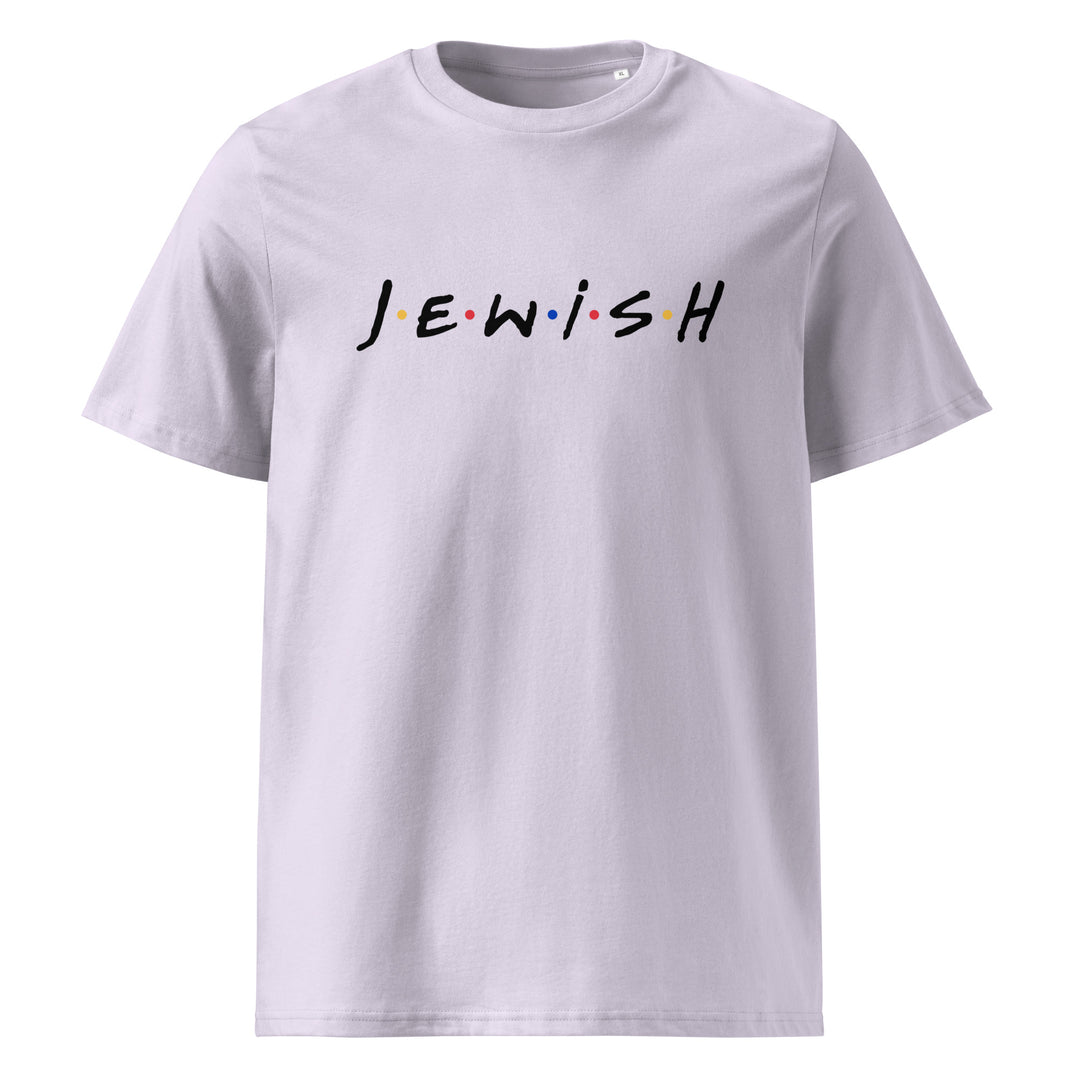
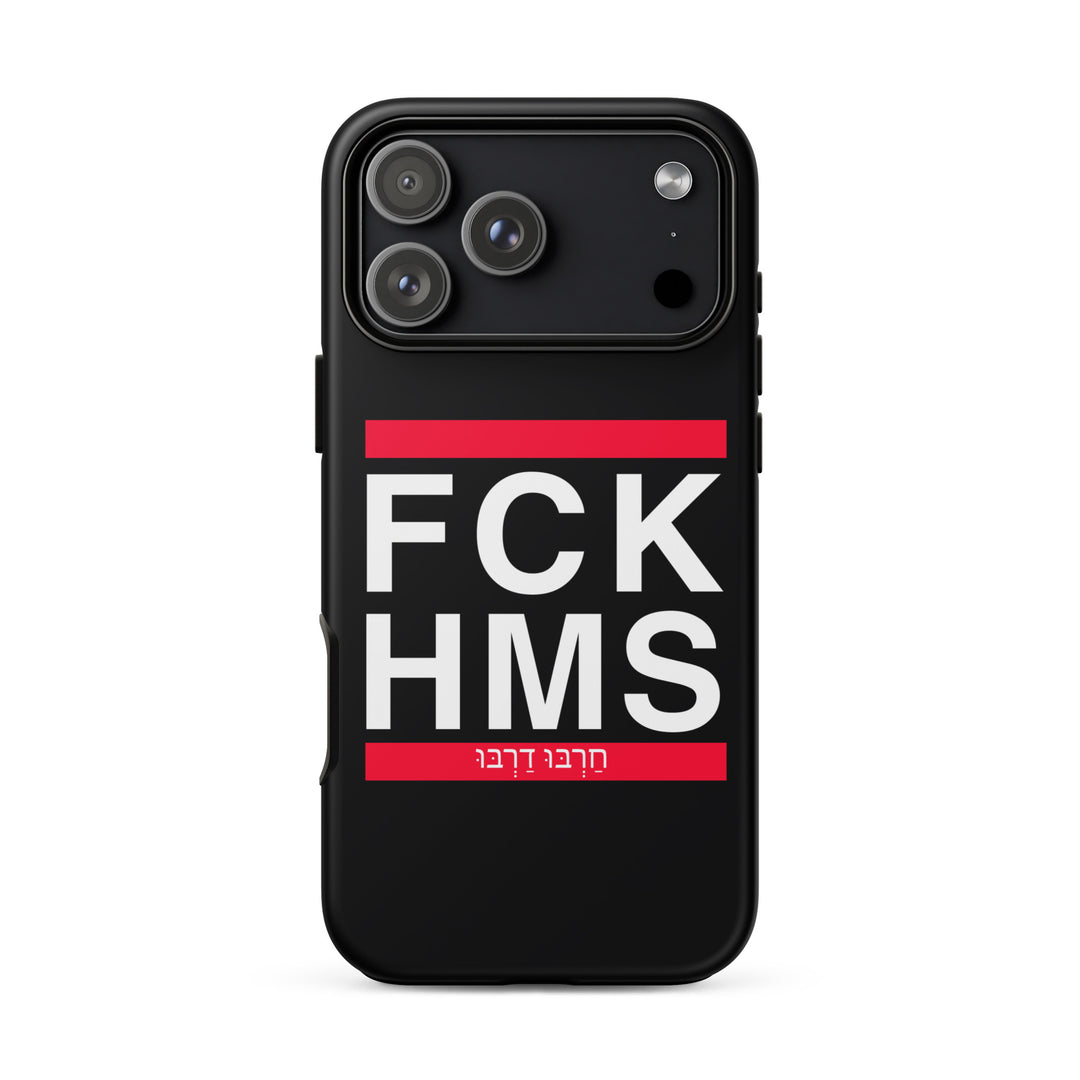
Young Jewish designers have seized this opportunity brilliantly. Independent brands print words like chai (life), shalom (peace), ahava (love), and emet (truth) across hoodies, totes, and caps. Others go further: song lyrics from Israeli artists, phrases from liturgy reimagined as streetwear graphics, playful Hebrew slang, family names in heritage lettering. Some designers collaborate with calligraphers to revive regional scripts from Sephardic and Mizrahi traditions, turning garments into celebrations of the Jewish world's typographic diversity. The result is clothing that works on two levels simultaneously — as pure design for anyone, and as loaded meaning for those who can read it.
That dual register is precisely what makes Hebrew typography so powerful for the newer generation. A teenager wearing a hoodie with Hebrew script is not making a speech; she is wearing a good-looking garment. But the garment does quiet work all day. Friends ask what it says. Strangers recognize it. Other Jews smile in passing — a silent nod of kinship in a coffee shop or airport. Fashion becomes a soft social technology: it identifies, connects, and educates without a single formal word. For young Jews who want to express identity without performing it, Hebrew lettering is the perfect volume — visible but not loud, proud but not preachy.
There is also profound historical resonance here that deserves to be named. Hebrew was, for centuries, a language many Jews whispered — confined to prayer, hidden in hostile environments, nearly lost to daily life before its modern revival. Within living memory, displaying Hebrew publicly was dangerous in much of the world. Against that backdrop, a young person wearing Hebrew across their chest in a European capital or American mall is doing something their great-grandparents could scarcely imagine. The garment becomes a small monument to survival and revival: a once-whispered language, now worn at full volume by kids who think it looks cool. Both things are true, and the combination is beautiful.

For Jewish educators and communities, typography offers an unusually rich engagement tool. Hebrew school students who yawn through grammar drills light up when asked to design a tee with their favorite Hebrew word. Youth groups can run design workshops, screen-printing sessions, or competitions where teens create wearable Hebrew graphics — learning letters, meanings, and heritage through the medium of fashion they already love. The letters stop being homework and become identity assets. A young person who has designed something with an alef or a shin owns that letter forever.
Non-Jewish curiosity is a feature here, not a bug. Every "what does your shirt say?" is a micro-encounter with Jewish culture on friendly, aesthetic terms — a form of ambassadorship that requires nothing but getting dressed. In an era when much public conversation about Jewish topics is heavy, a beautiful word on a beautiful garment offers a different entry point: lightness, artistry, humanity.
If Judaism wants to reach the newer generation, it should go where their eyes already are — and their eyes are on type, on graphics, on the text they wear. The alphabet that carried Jewish civilization through millennia turns out to be, among everything else, a world-class design system. It is time more people wore it.
Shop the collection: Best Sellers · Funny Jewish Shirts · Jewish Gifts for Men
Shop the look
Hebrew you can wear - more in our guide to Hebrew typography in design: