

Wearing Memory: Fashion as a Response to History
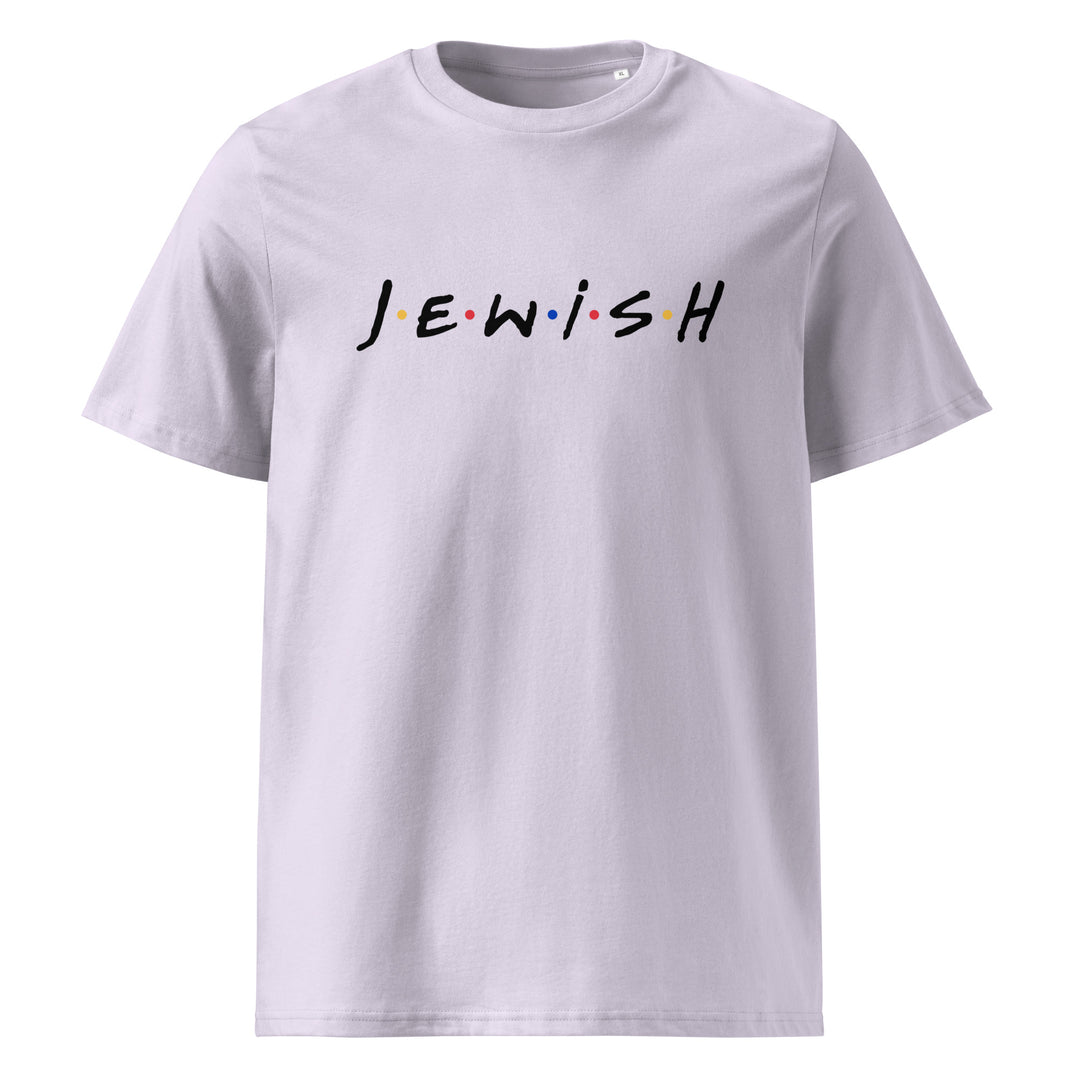
Fashion is often dismissed as the shallowest of cultural arenas — trend-chasing, surface-level, forgettable. But for Jews, clothing has never been trivial. History made sure of that. Across centuries, Jewish dress was legislated, restricted, and weaponized: distinctive badges and hats imposed by medieval decrees, the yellow star forced upon millions within living memory. Clothing was used to mark Jews for exclusion and worse. Against that history, the way young Jews dress today — openly, proudly, symbolically — carries a weight that transforms fashion from decoration into something closer to testimony.
The newer generation understands this instinctively, even when they cannot cite the history chapter and verse. Ask young Jews why they wear a visible Star of David, and the answers reach beyond style: because my great-grandmother couldn't; because hiding feels like losing; because I want to be seen. In 2026, choosing visibly Jewish fashion is a considered act. Antisemitism is not a historical abstraction to this generation — they encounter it on their campuses, in their comment sections, sometimes on their streets. And yet, remarkably, the dominant response among young Jews has not been to tuck the necklace away. It has been to put it on more deliberately. Getting dressed becomes a daily act of remembrance and quiet defiance at once.
This is where fashion and memory intertwine most powerfully: in the objects themselves. A grandmother's ring worn to every exam. A tallit that crossed an ocean in a suitcase, now draped over a grandson's shoulders. Heirloom fabrics sewn into modern garments. Vintage-inspired pieces that echo the styles of prewar Jewish communities — a way of wearing the world that was. Even new purchases participate in this economy of memory: a Hebrew name necklace restores a name; a hamsa from a Sephardic designer honors a lineage nearly erased from popular Jewish imagination. Each piece is a small refusal of forgetting.
There is a profound reframing available here for how Judaism is presented to young people. Too often, Jewish history is taught to the newer generation as a catalogue of catastrophe — important, but paralyzing when it stands alone. Fashion offers a different pedagogy: history you can wear, resilience you can style. When a teenager learns that the star once forced upon her ancestors is the same shape she now chooses to wear in gold, history stops being a lecture and becomes a personal arc — from imposed mark to chosen emblem, from humiliation to pride. That is not trivializing memory; it is metabolizing it. The symbol has been reclaimed, and she is part of the reclamation simply by clasping her necklace each morning.
Joy belongs in this story too, and the newer generation insists on it. Jewish fashion today is not only solemn; it is exuberant — playful kippot, bold Israeli streetwear, dazzling Shabbat outfits, wedding fashions drawing on Yemenite, Moroccan, and Ashkenazi traditions in glorious combination. This exuberance is itself a response to history. Communities that were meant to disappear are instead dressing up, celebrating, posting their holiday outfits for millions to see. Every joyful Jewish fashion moment is a small argument against every force that tried to end the story. Am Yisrael Chai — the people live — turns out to look, among other things, fabulous.

For parents, educators, and community leaders, the invitation is clear. Tell young people the stories behind the objects. When you pass down the jewelry, pass down its journey. When a teen chooses a visible symbol, honor the courage in that choice rather than only cautioning about risk. Create spaces — exhibitions, workshops, social campaigns — where Jewish fashion is explicitly connected to memory and resilience. The newer generation does not want identity handed to them as obligation; they embrace it eagerly when it comes as story, meaning, and agency. Few things deliver all three like the clothes on their backs.
Fashion, it turns out, was never shallow for the Jewish people. It was a battlefield, then a refuge, and now — in the hands of a confident young generation — a celebration. When a young Jew gets dressed in the morning and chooses to be visible, they are answering centuries of history with the simplest and bravest of statements: we are still here, and we are not hiding. Judaism presented this way is not something inherited passively. It is courage you can wear — embraced proudly, one outfit at a time.
Shop the collection: Jewish Gifts · Best Sellers · Funny Jewish Shirts
Shop the look
Symbols of memory and resilience:


Read next: Wearing Jewish Pride: The Power of Jewish Support Fashion