

Threads of Identity: Why Jewish Fashion Is Having a Moment
For generations, Jewish identity in the diaspora often came with an unspoken rule: keep it subtle. A necklace tucked under a shirt, a kippah swapped for a baseball cap on the subway, traditions practiced at home but rarely displayed in public. Today, something remarkable is happening among younger Jews — that instinct toward invisibility is being replaced by a bold, creative, and deeply fashionable visibility.
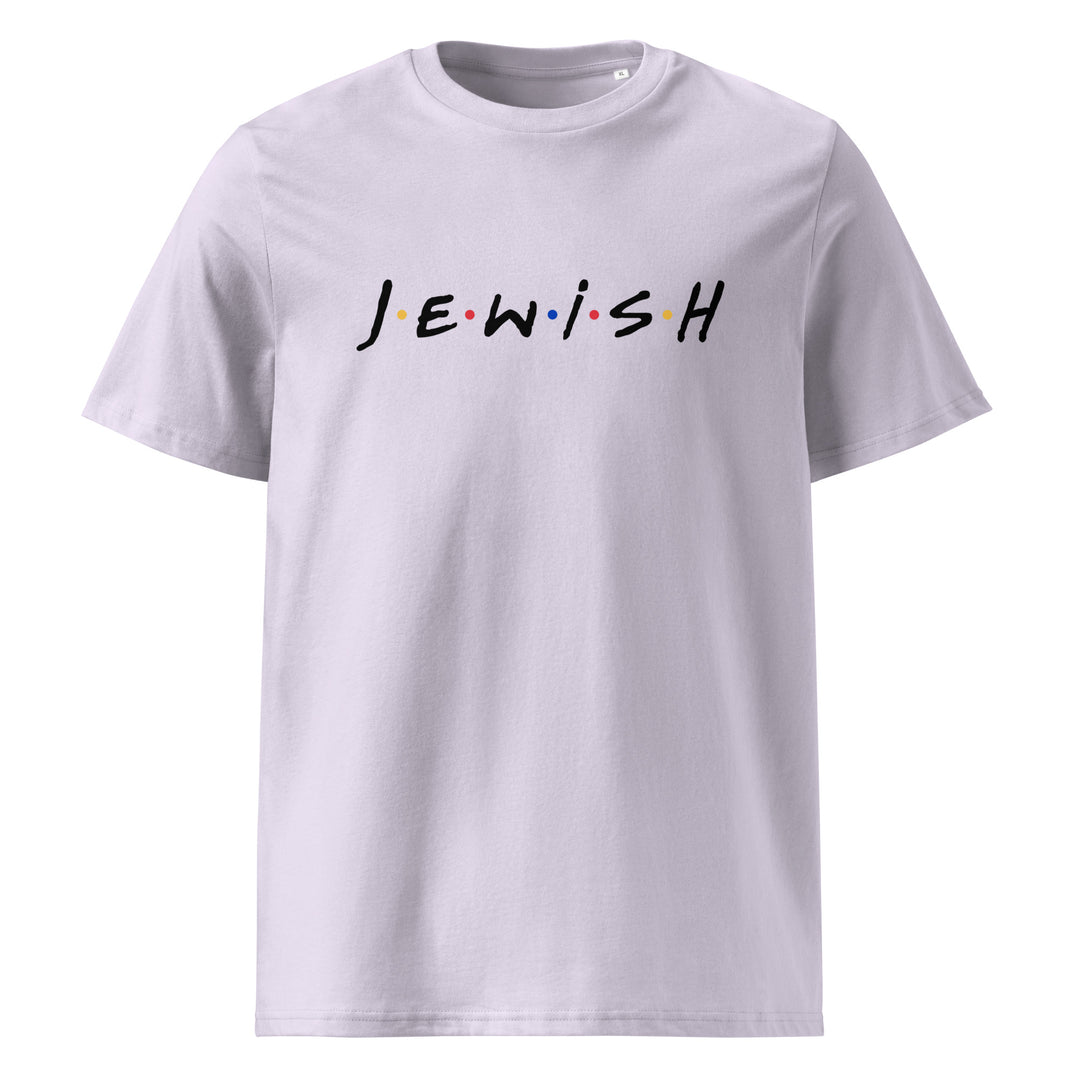
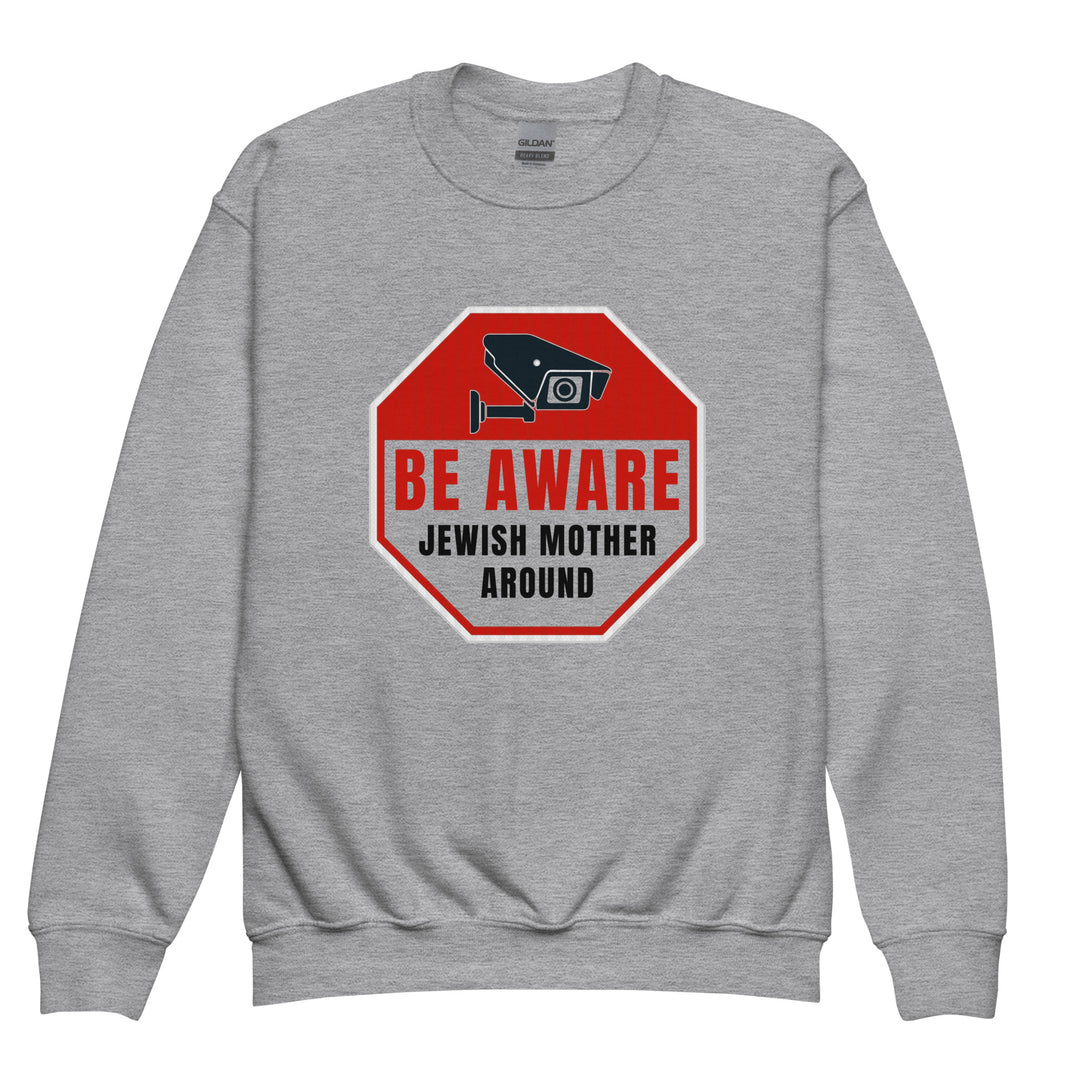
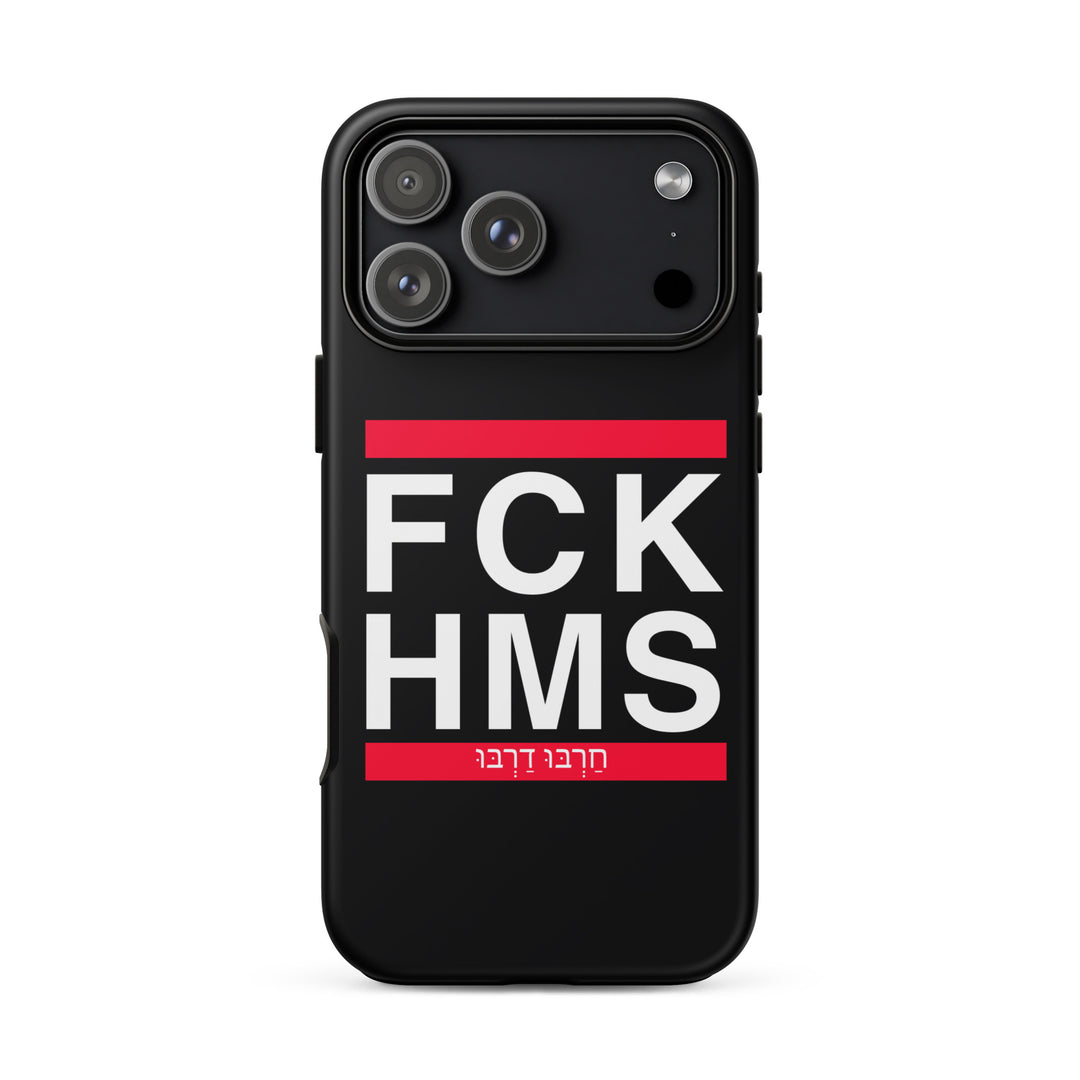
Gen Z and younger millennials grew up in a culture where fashion is inseparable from identity. Clothing is no longer just about aesthetics; it is a language, a statement, a way of signaling values, community, and belonging. Within this cultural landscape, Jewish fashion has found fertile ground. Star of David pendants are layered over streetwear. Embroidered kippot are matched to sneakers. Hebrew lettering appears on hoodies, tote bags, and phone cases. What was once categorized narrowly as "religious clothing" has been reframed as cultural expression — something to be styled, personalized, and celebrated.
Social media has been the great accelerator of this shift. On TikTok and Instagram, young Jewish creators post Shabbat outfit inspiration, modest fashion hauls, holiday lookbooks, and "get ready with me" videos before synagogue. These videos rack up millions of views, and their impact goes far beyond fashion tips. They normalize Jewish life for young viewers who may have grown up feeling like their traditions were something to explain, apologize for, or hide. When a teenager scrolls past a stylish creator confidently wearing a chai necklace with a vintage leather jacket, the message lands instantly: Jewishness and coolness are not in conflict.
This matters enormously for how Judaism is presented to the newer generation. Traditional institutions — synagogues, schools, youth movements — often struggle to compete for young people's attention. Fashion, by contrast, meets young people exactly where they already are: on their feeds, in their closets, in their daily rituals of self-presentation. A well-designed piece of Jewish fashion does quiet but powerful educational work. It sparks questions from friends. It creates moments of connection between strangers. It turns identity into conversation.
There is also a deeper psychological dimension. For a generation increasingly concerned with authenticity, wearing one's heritage is an antidote to the flatness of fast fashion and algorithmic sameness. A Star of David passed down from a grandmother carries a story no trend cycle can replicate. A kippah crocheted by a friend holds meaning no luxury logo can match. In a marketplace saturated with disposable products, Jewish fashion offers something rare: permanence, memory, and roots.

Of course, visibility carries complexity. In times of rising antisemitism, choosing to wear identifiably Jewish items is not a casual decision everywhere in the world. Yet this is precisely why many young Jews describe their fashion choices as acts of quiet courage. Putting on a visible symbol each morning becomes a small, daily declaration: I am here, I am proud, and I will not shrink. For many, that decision transforms fashion from decoration into empowerment.
The opportunity for the Jewish community is significant. Rather than lamenting that young people are drifting from tradition, communities can embrace the mediums through which this generation actually engages. Support young Jewish designers. Celebrate creators who make Jewish content aesthetic and aspirational. Host fashion-oriented events — Shabbat dinners with dress themes, pop-up markets featuring Judaica designers, workshops where teens design their own kippot or customize holiday wear. These are not gimmicks; they are gateways. A young person who feels stylish in their Judaism is far more likely to explore its deeper layers.
Fashion has always been how humans wear their stories. For young Jews today, those stories are ancient, resilient, and newly visible. The tallit, the kippah, the hamsa, the Hebrew letter — these are not relics competing with modernity. They are design elements of a living culture, being remixed by a generation fluent in remix. Judaism is having a fashion moment not because it changed its essence, but because a new generation finally has the tools, platforms, and confidence to show the world what was always there: an identity worth wearing, beautifully, in broad daylight.
Shop the collection: Best Sellers · Funny Jewish Shirts · Jewish Gifts for Men
Shop the look
Visible pride, everyday wearable:


Read next: Wearing Jewish Pride in the TikTok Era: Fashion, Identity & Support for Israel