












The questions people ask on TikTok right now about Judaism & support
“What does Jewish support actually mean?”
Jewish support means standing with Jewish people as Jews. It means recognizing that Jews are both a people and a religion, and that antisemitism targets identity, not opinions. Support can be as simple as listening, speaking up when something feels wrong, or showing visible solidarity so Jews know they are not alone.
“Is it okay to show Jewish pride?”
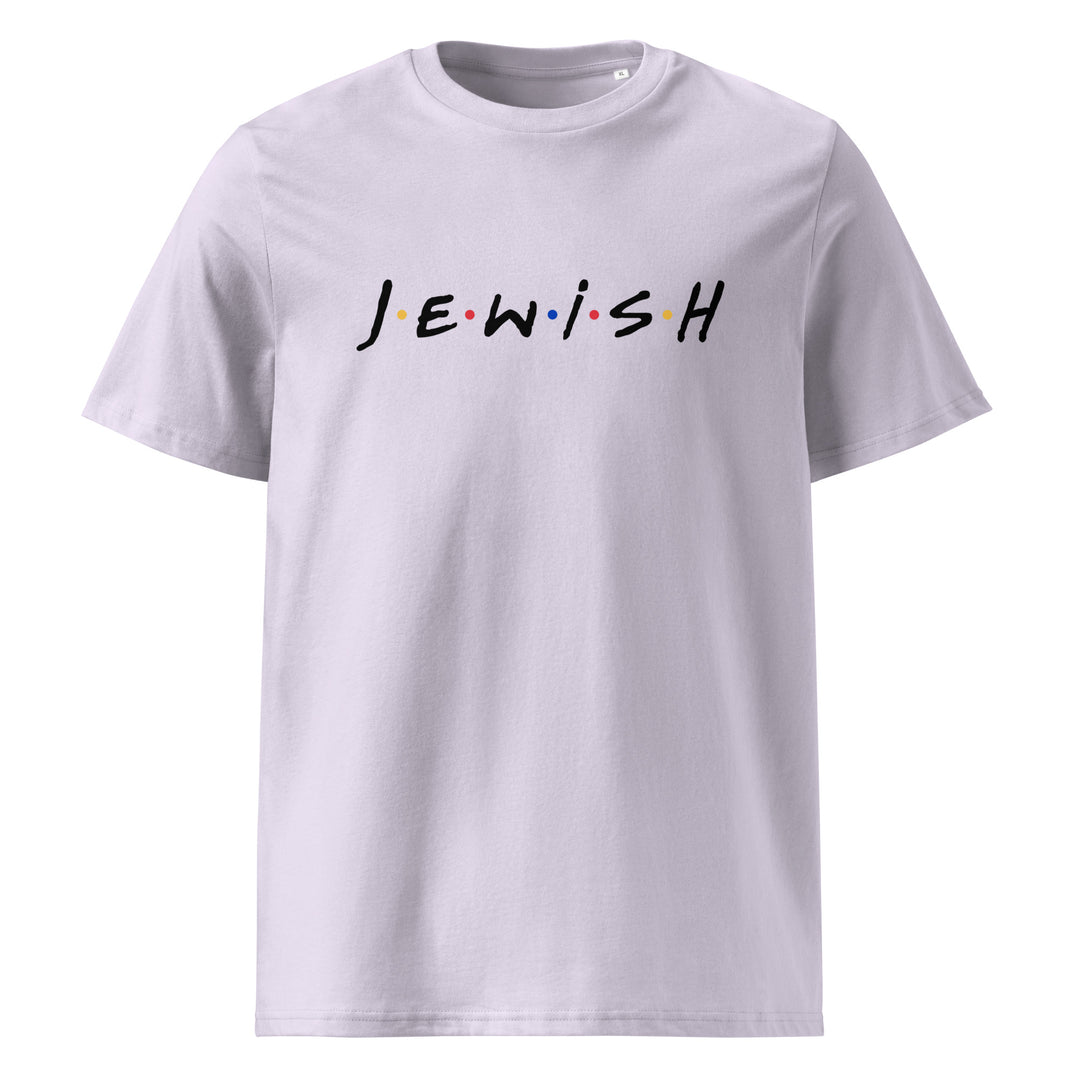
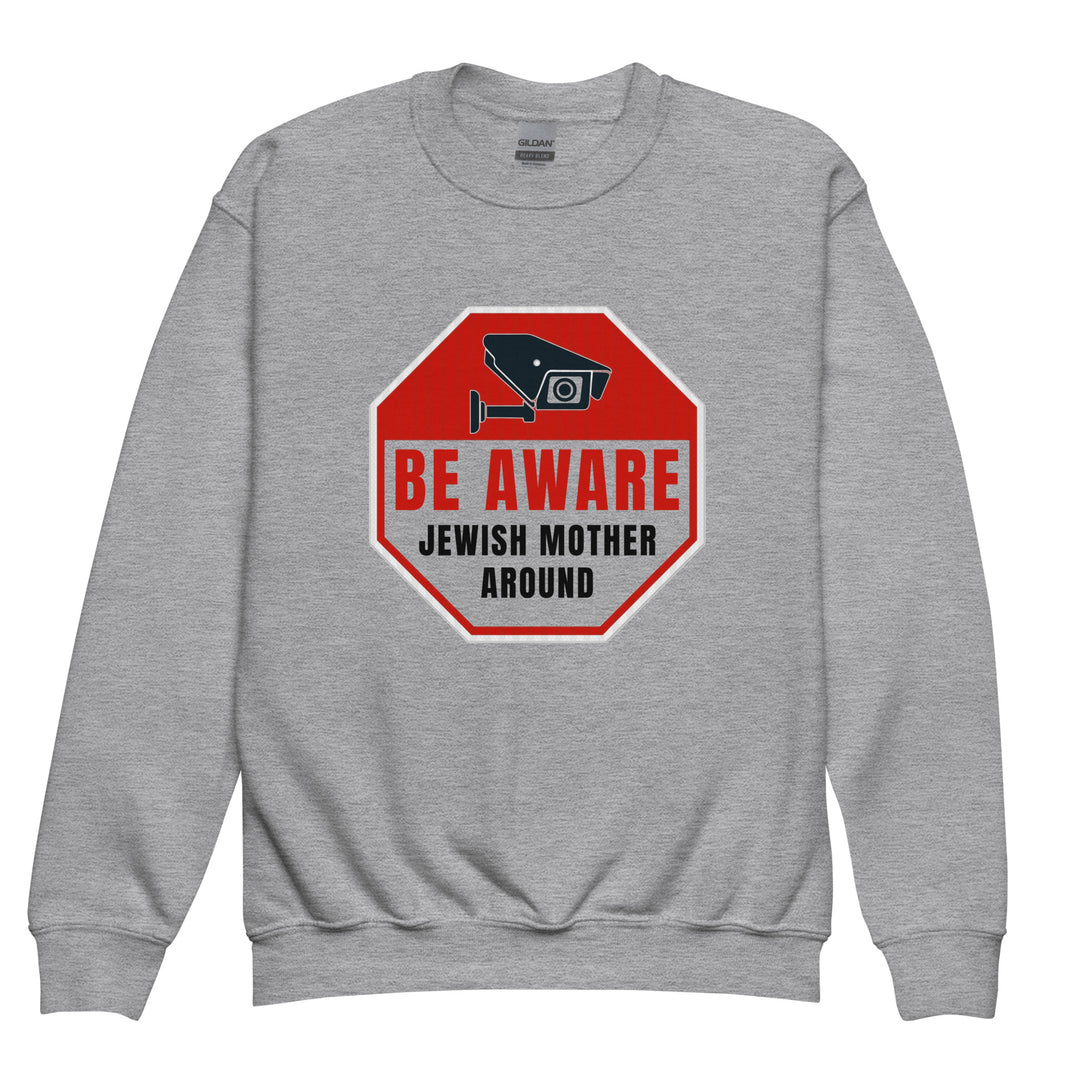
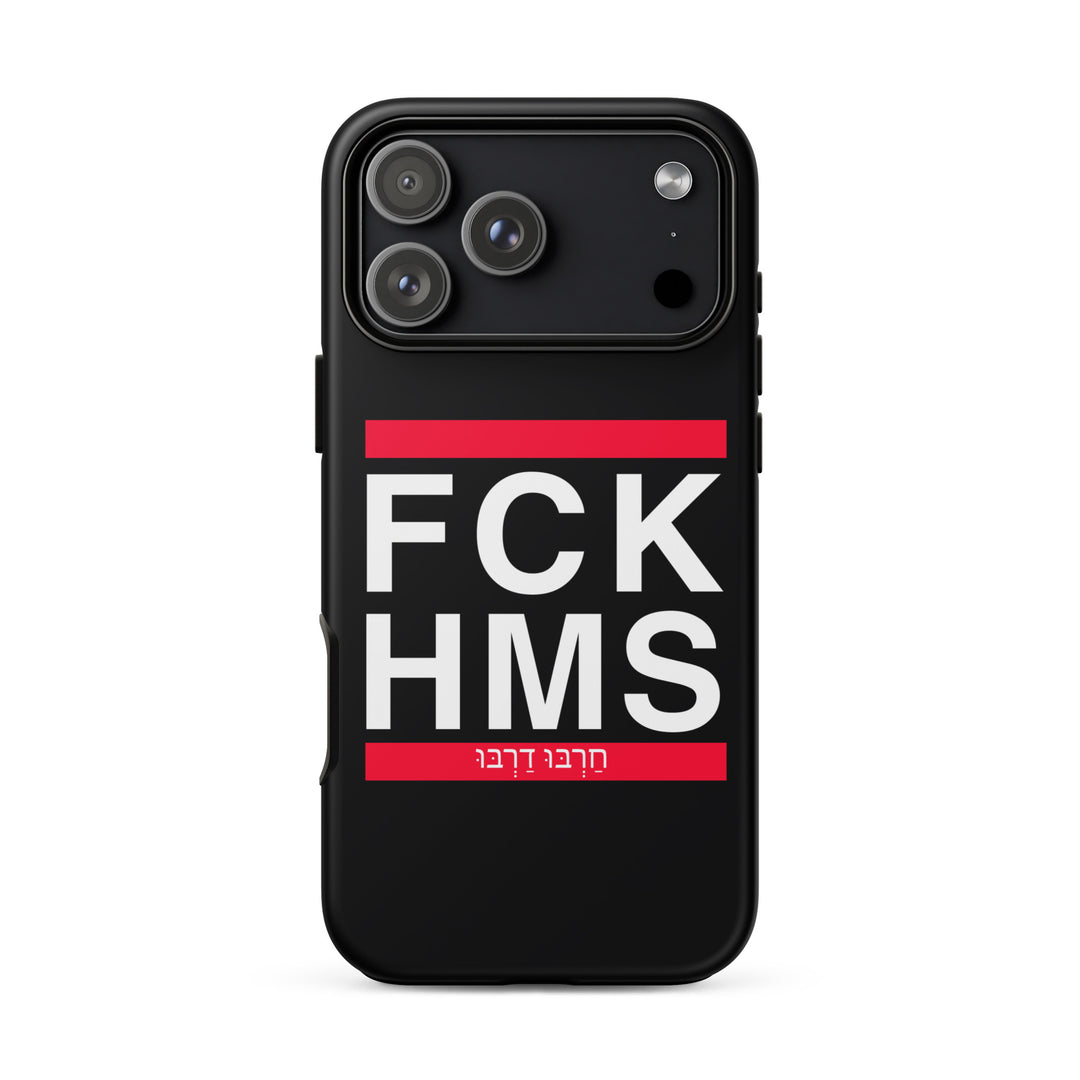
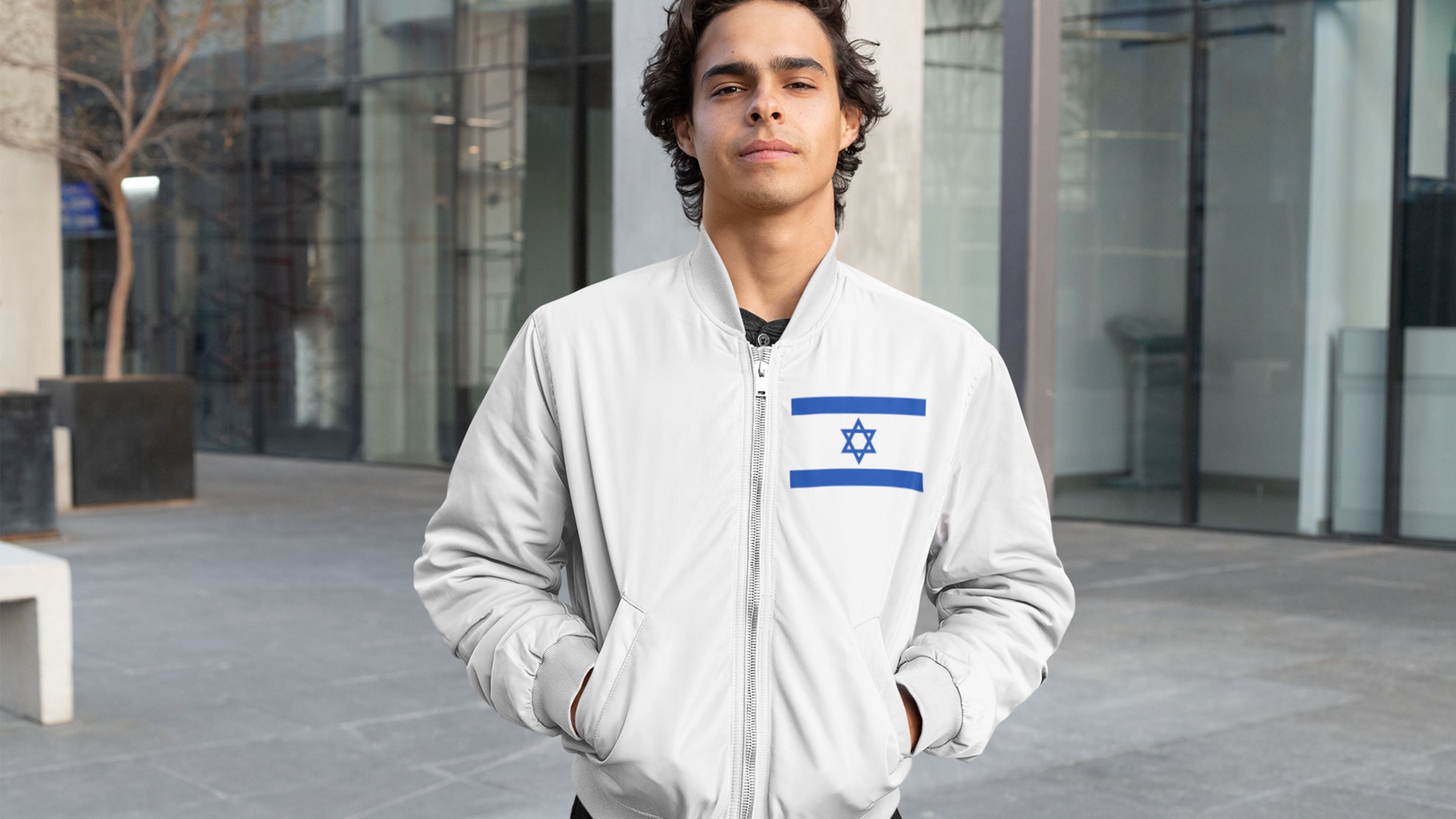
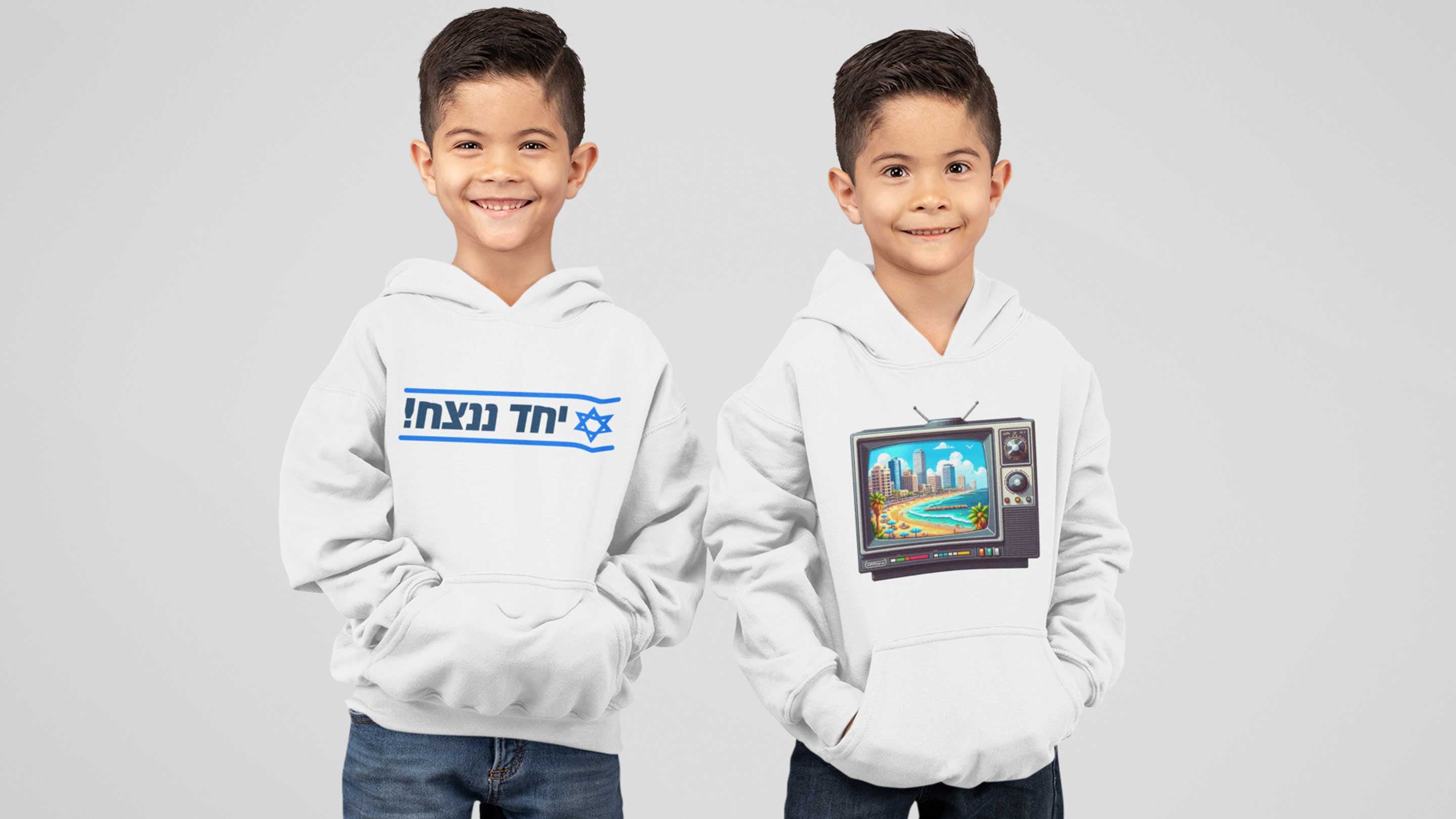
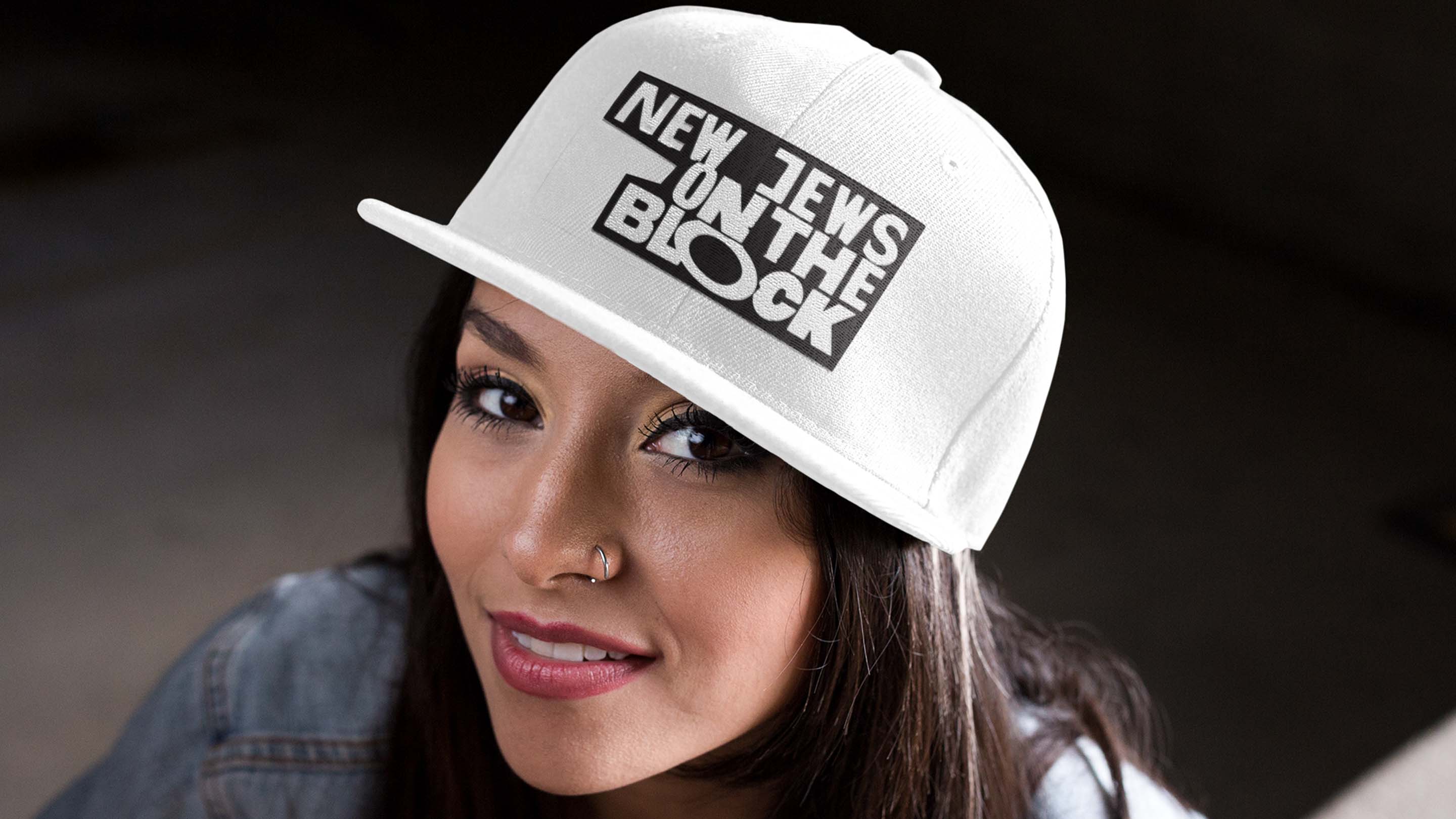
Yes. Jewish pride is about visibility, identity, and continuity. For many Jews today, pride is not loud or political. It is personal. Wearing Jewish symbols or pride apparel is a way of saying: I’m still here, and I’m not hiding.
“Why are Jews wearing Jewish symbols more now?”
Because fear and visibility rise together. When antisemitism increases, many Jews feel pressure to hide. Others respond by doing the opposite. Wearing Jewish symbols becomes an act of strength, not provocation.
“What does MoT mean?”
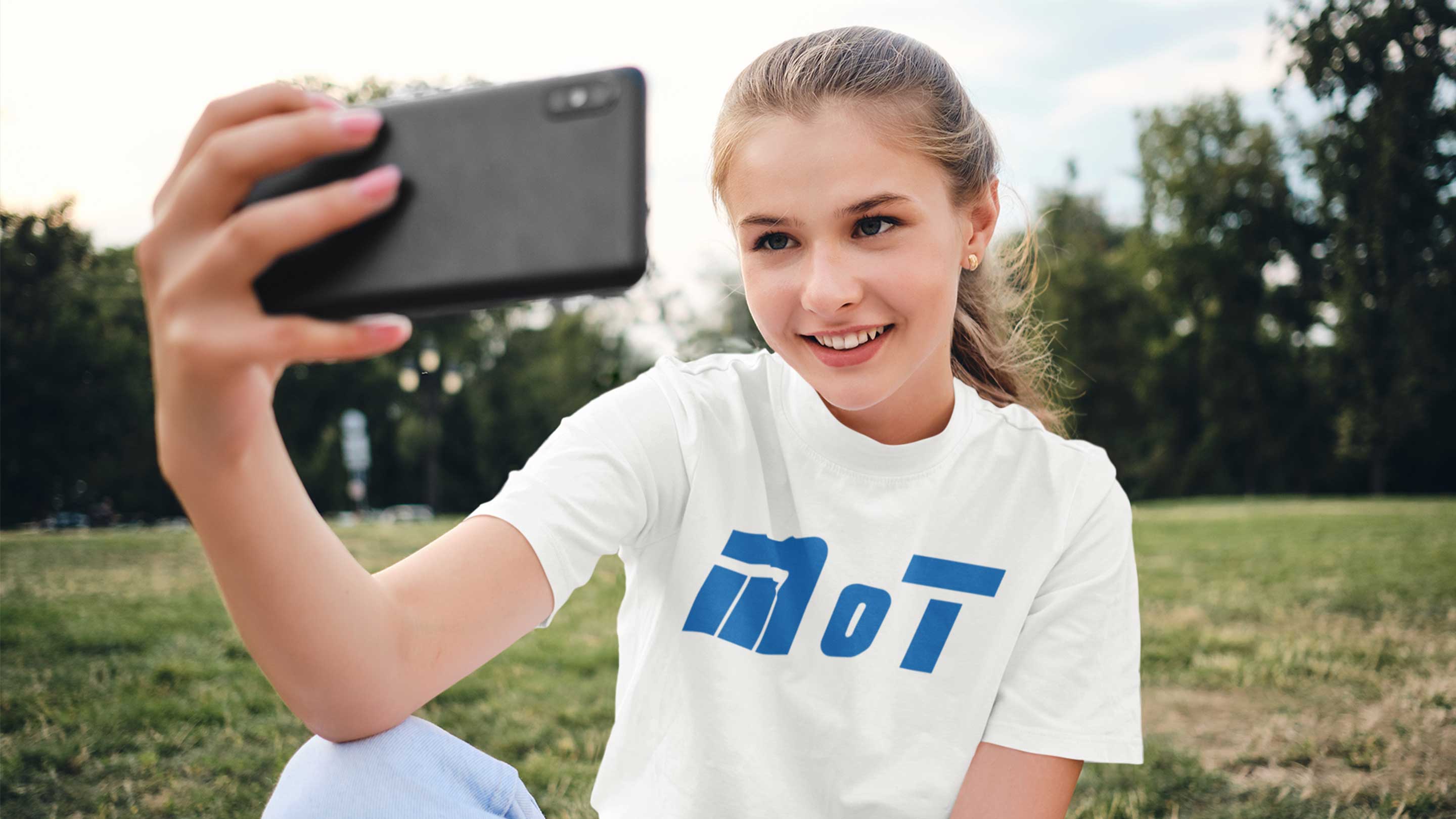
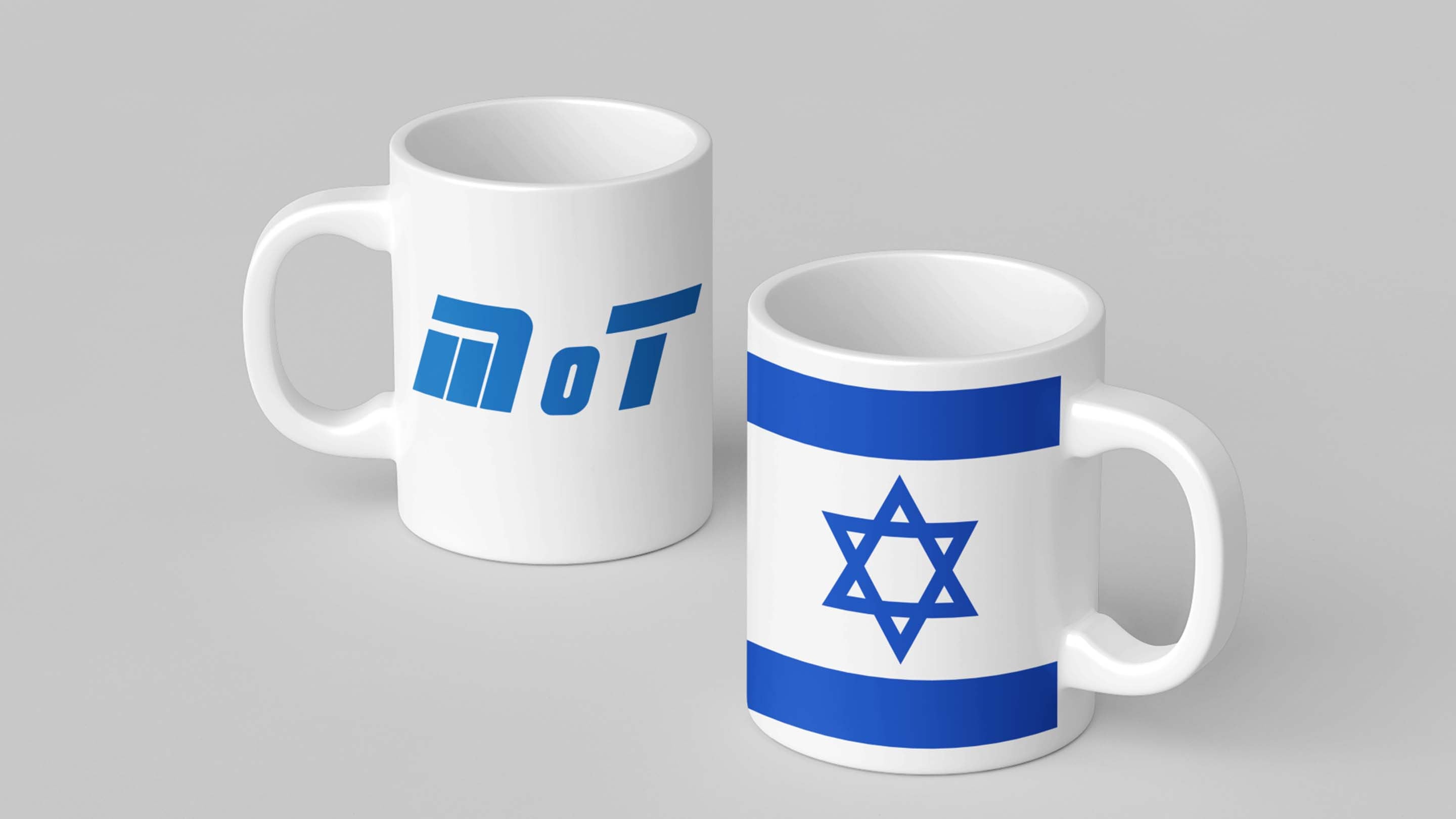
MoT means Member of the Tribe. It’s an informal way Jews refer to each other. On clothing, it’s a quiet signal. You know it if you know it. It’s about belonging, shared history, and community.
“What does ‘Member of the Tribe’ stand for?”
It stands for Jewish identity as something lived, not explained. It doesn’t require belief, politics, or labels. Just connection.
“Is Judaism a religion or a culture?”
Both. And more. Judaism is a religion, a people, a culture, a shared memory, and a lived experience. That’s why it doesn’t fit neatly into modern categories.
“Is it safe to wear Jewish clothing in public?”
That depends on where you are, but the question itself says a lot. Jews should never have to ask this. Many still choose visibility because silence feels heavier than fear.
“Why does Jewish support clothing matter?”
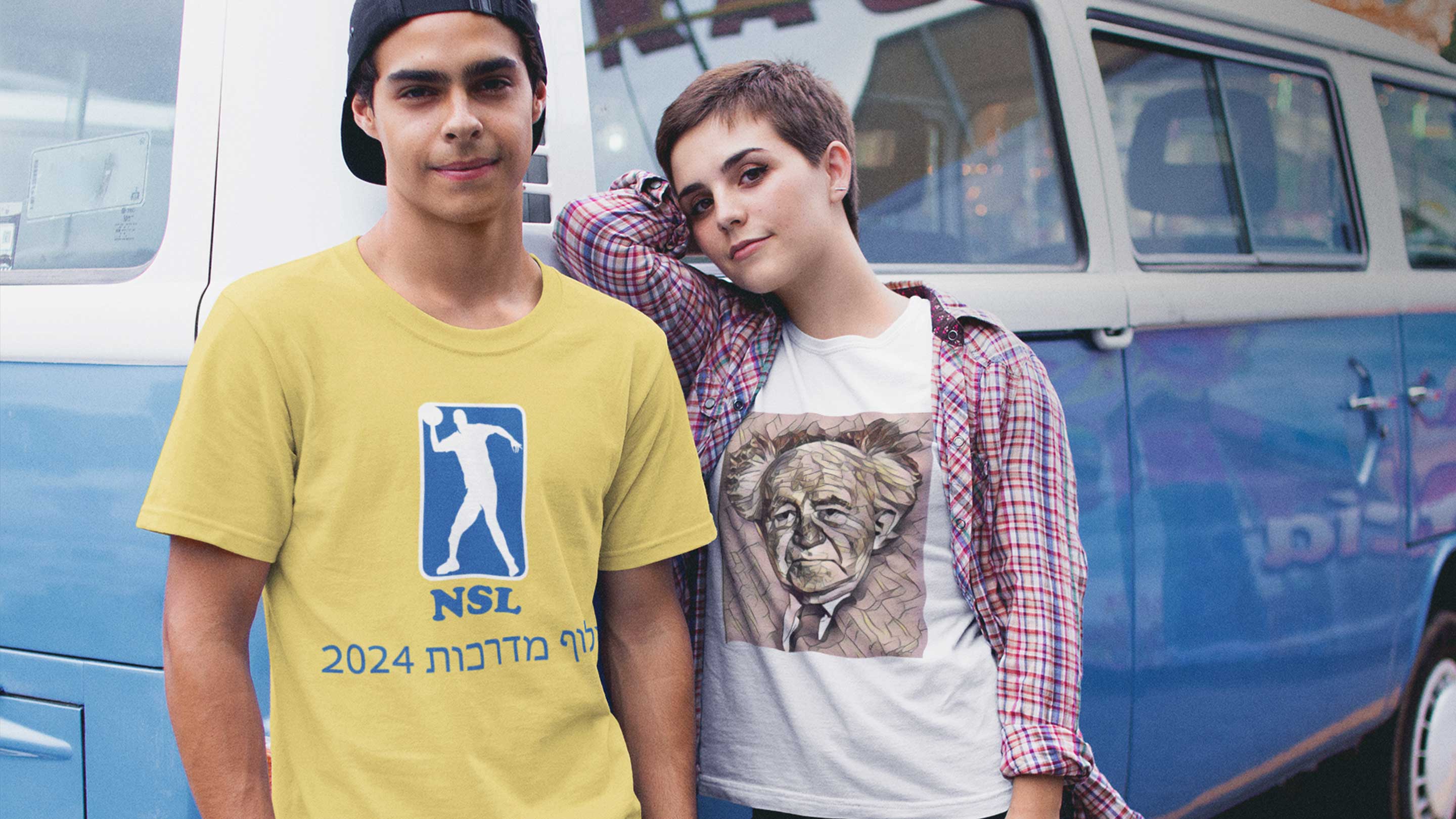
Because symbols work. A shirt can start conversations, show solidarity, and remind people that Jews exist in everyday life, not only in history books or headlines.
“Is Jewish support clothing political?”
Not by default. Jewish identity is not a political statement. Supporting Jews should not be controversial. Politics enter only when people decide Jewish existence needs justification.
“Can non-Jews wear Jewish support apparel?”
Yes, if it’s done with respect. Support is not about pretending to be Jewish. It’s about standing with Jewish people and making antisemitism socially unacceptable.
“What’s the difference between Judaism and Israel?”
Judaism existed thousands of years before modern Israel. Jews live all over the world. Jewish identity is not dependent on any government or state.
“Is criticizing Israel antisemitic?”
Criticism of any government is not antisemitism by default. Antisemitism starts when Jews everywhere are blamed, targeted, or expected to answer for things they did not do.
“Why does antisemitism feel different from other hate?”
Because it adapts. It shows up as jokes, stereotypes, conspiracy theories, denial, or selective outrage. It often hides behind language that sounds intellectual or moral.
“What are common antisemitic stereotypes people don’t notice?”
Ideas about Jewish money, power, control, media influence, or loyalty are old stereotypes. When Jews are treated as a secret group rather than individuals, that’s a red flag.
“How can I support Jews without saying the wrong thing?”
Listen more than you explain. Don’t minimize experiences. Call out antisemitism when you see it, especially when Jews are not in the room.
“Why is Jewish pride important right now?”
Because history shows what happens when Jews disappear quietly. Pride is not arrogance. It’s survival.
“What does ‘Never Again’ mean today?”
It means staying alert. Speaking early. Taking hate seriously before it becomes normalized.
Shop the collection: Jewish Gifts · Best Sellers · Funny Jewish Shirts