

Rosh Hashanah 2026: A Complete Guide to the Jewish New Year
Rosh Hashanah 5787 begins at sundown on Friday, 11 September 2026, and runs through nightfall on Sunday, 13 September. Two days that open the Jewish year - and, for many families, two days that carry more weight than any other on the calendar.
If you are new to the holiday, marrying into it, or simply want to understand what your friends mean when they say "Shana Tova," this guide covers the essentials: what the day means, what happens at the table, and how people mark it in what they wear.
What Rosh Hashanah actually is
Literally, Rosh Hashanah means "head of the year." But it is not a New Year in the champagne-and-fireworks sense. The traditional name for it is Yom HaDin - the Day of Judgment. It opens the Yamim Nora'im, the Days of Awe, a ten-day stretch that ends with Yom Kippur.
The tone is reflective rather than raucous. This is a time to take stock: what went well this year, what did not, what needs repairing, and who deserves an apology. The tradition holds that the coming year is inscribed during these days, and that honest self-examination is what shapes it.
That said, it is not a somber holiday. There is festive food, family, singing, and genuine joy. Jewish tradition holds both things at once - seriousness about the work ahead, and confidence that the year can be good.
The sounds and symbols
The shofar
The ram's horn is the signature sound of the holiday - one hundred blasts across the two days in most communities. It is deliberately unmusical: raw, urgent, hard to ignore. Maimonides described it as a wake-up call, a sound that says "examine your deeds."
Apples and honey
The most recognisable custom at the table. An apple slice dipped in honey, followed by the blessing for a sweet new year. Simple, and the first thing most Jewish children learn to associate with the holiday.
Round challah
On Rosh Hashanah the challah is braided into a circle rather than the usual loaf shape. The circle stands for the year coming round again - and for a life without a sharp ending. Many families add raisins or honey to the dough for the same reason as the apples.
Pomegranate
Tradition says the pomegranate holds 613 seeds, matching the number of mitzvot in the Torah. Whether or not any given fruit cooperates with the count, the symbolism is clear: a year full of good deeds.
Tashlich
On the afternoon of the first day, many communities walk to flowing water - a river, a lake, the sea - and symbolically cast off the past year's mistakes, often with breadcrumbs. It is one of the most quietly moving customs of the holiday, and one of the most photographed.
What people wear
There is no rule requiring specific clothing on Rosh Hashanah, but there is a strong custom of wearing something new or freshly cleaned - a visible marker that this is not an ordinary day. Many people buy a new garment specifically for the holiday so they can say the Shehecheyanu blessing over it.
In practice, communities vary widely. Some synagogues are formal - suits, dresses, hats. Others are relaxed. If you are attending somewhere for the first time, it is worth asking your host; nobody minds the question, and everybody notices when a guest has clearly made an effort.
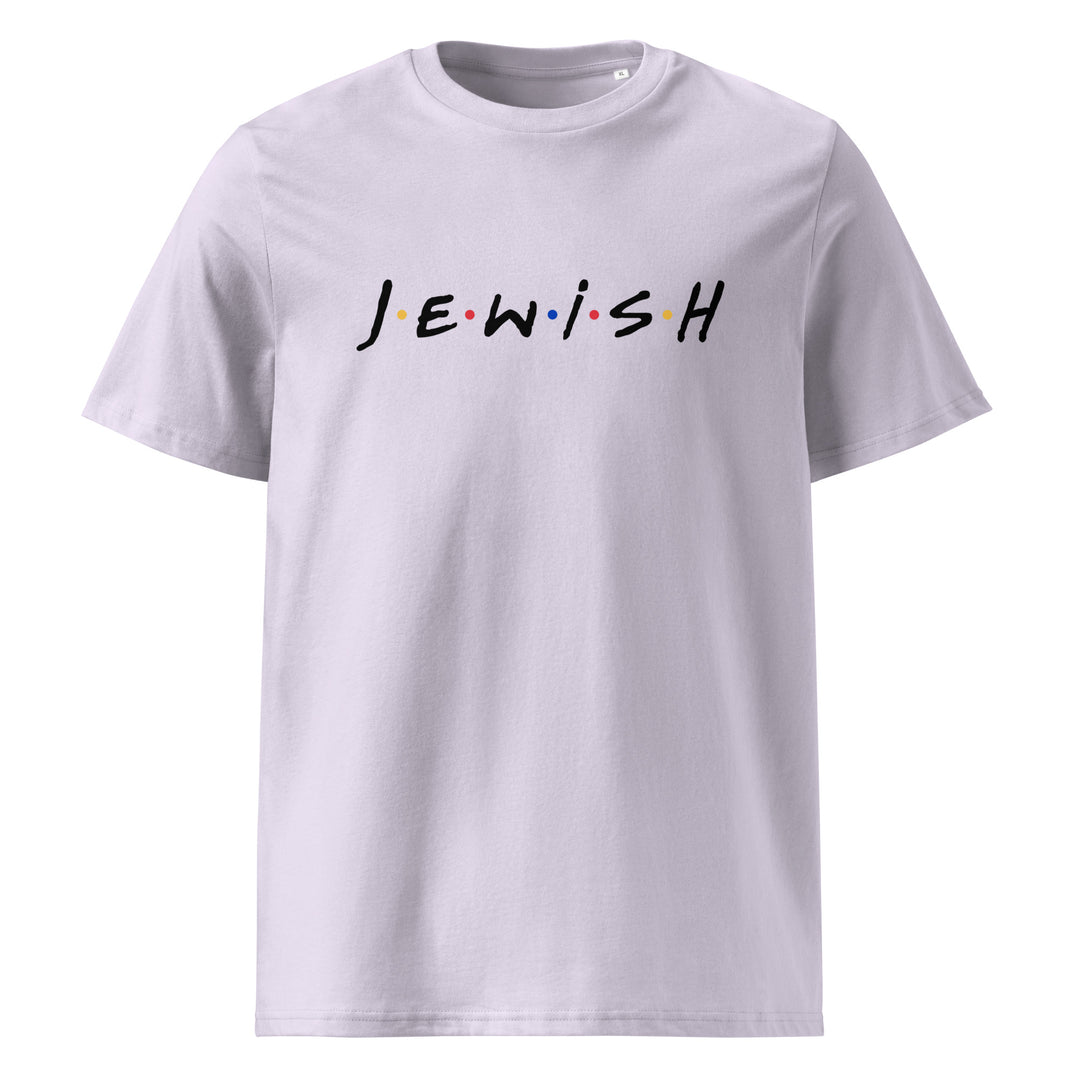
Away from services, the holiday stretches across two days of meals, walks, and visits. That is where softer pieces earn their place: something comfortable enough for a long lunch, presentable enough for company. Our Jewish streetwear collection covers that middle ground, and pieces with Hebrew lettering or holiday motifs carry the occasion without announcing it too loudly.
How to greet someone
The standard greeting is Shana Tova - "a good year." You will also hear:
- Shana Tova u'Metuka - a good and sweet year
- L'Shana Tova Tikatevu - may you be inscribed for a good year
- Gut Yontif - Yiddish, "good holiday," used across many holidays
All of them work. If you are unsure, "Shana Tova" is always right, and saying it slightly wrong is far better than saying nothing.
Getting ready
Practically speaking, the days before the holiday are busy: cooking, shopping, sending cards, and - for many - a visit to family graves. If you are bringing something to a host, honey, wine, or a sweet dish for the table are all traditional and welcome.
Gifts are not obligatory, but they are common between close family, and something thoughtful with a holiday connection tends to land well. Our Rosh Hashanah collection gathers pieces made for exactly this moment.
One last thing
If this is your first Rosh Hashanah, the most useful thing to know is that nobody expects you to know everything. Show up, listen to the shofar, eat the apple, and wish people a sweet year. That is most of it.
Shana Tova u'Metuka from all of us at MoT - Member of the Tribe.
Shop the look
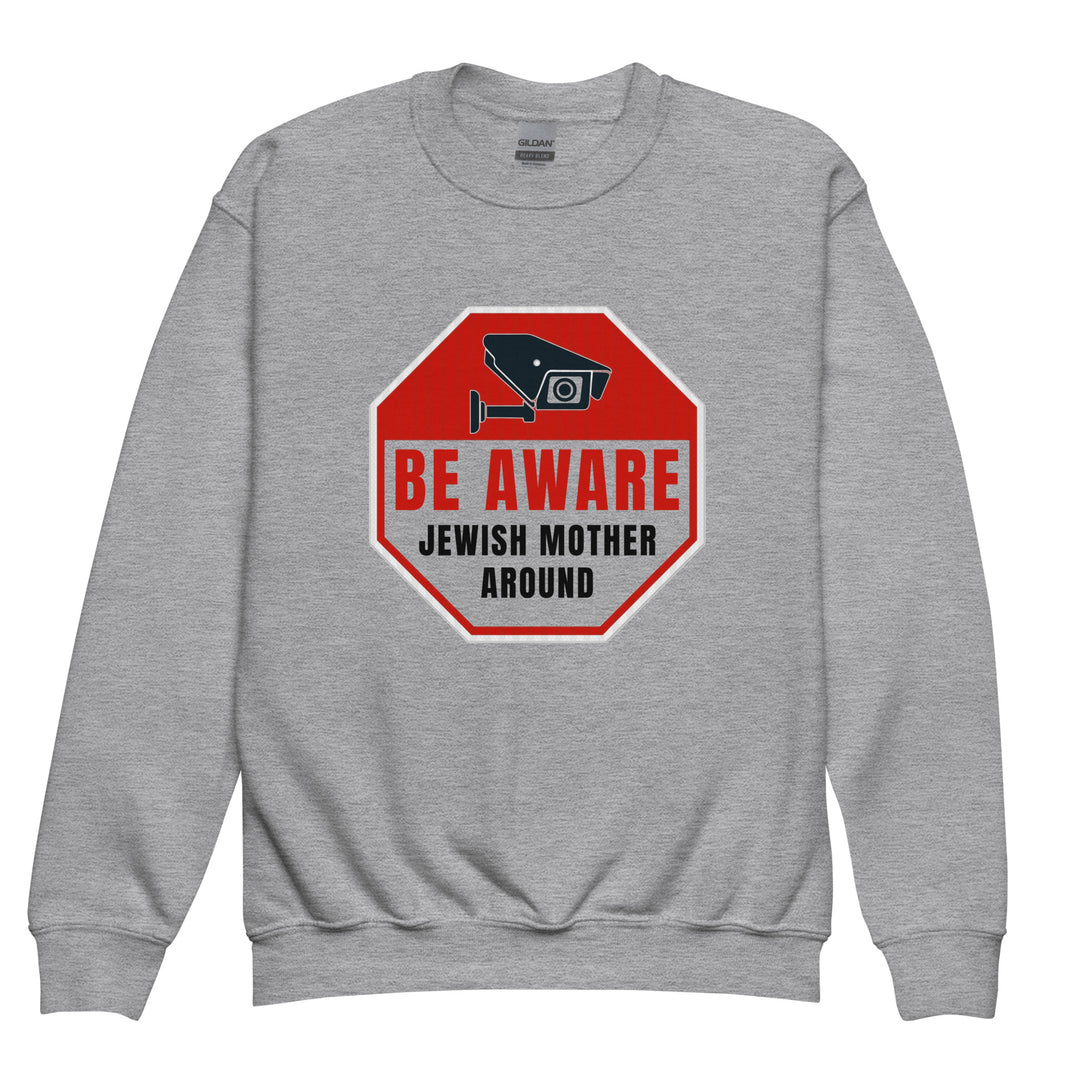
Something new for the holiday - with a wink for the family table:


Read next: What Does Shana Tova Mean? The Jewish New Year Greeting Explained