


















Jewish Tote Bags: For the Market, the Shul and the Long Walk Home
Nobody sets out to collect tote bags. They accumulate. One from a conference, one from a bookshop, one that came free with something and has outlived the something by four years.
And yet the one people actually reach for is always the same one. There is a reason for that, and it has very little to do with the bag being free.
The bag you reach for

The tote that gets used is the one that meets three conditions at once: it holds enough, it does not embarrass you, and it says something you are happy to say.
Most free totes fail the third test. Carrying a bank's logo across your shoulder is a statement you did not choose to make. Carrying something like the "Challah If Ya Hear Me" tote is a different proposition entirely — the bag stops being storage and starts being an answer to a question nobody asked out loud.
Where the Jewish tote earns its keep
The market
The obvious one, and the reason totes exist. Friday shopping before Shabbat is the single highest-volume use case in Jewish life, and a tote that handles challah, wine and vegetables without complaint has already justified itself.
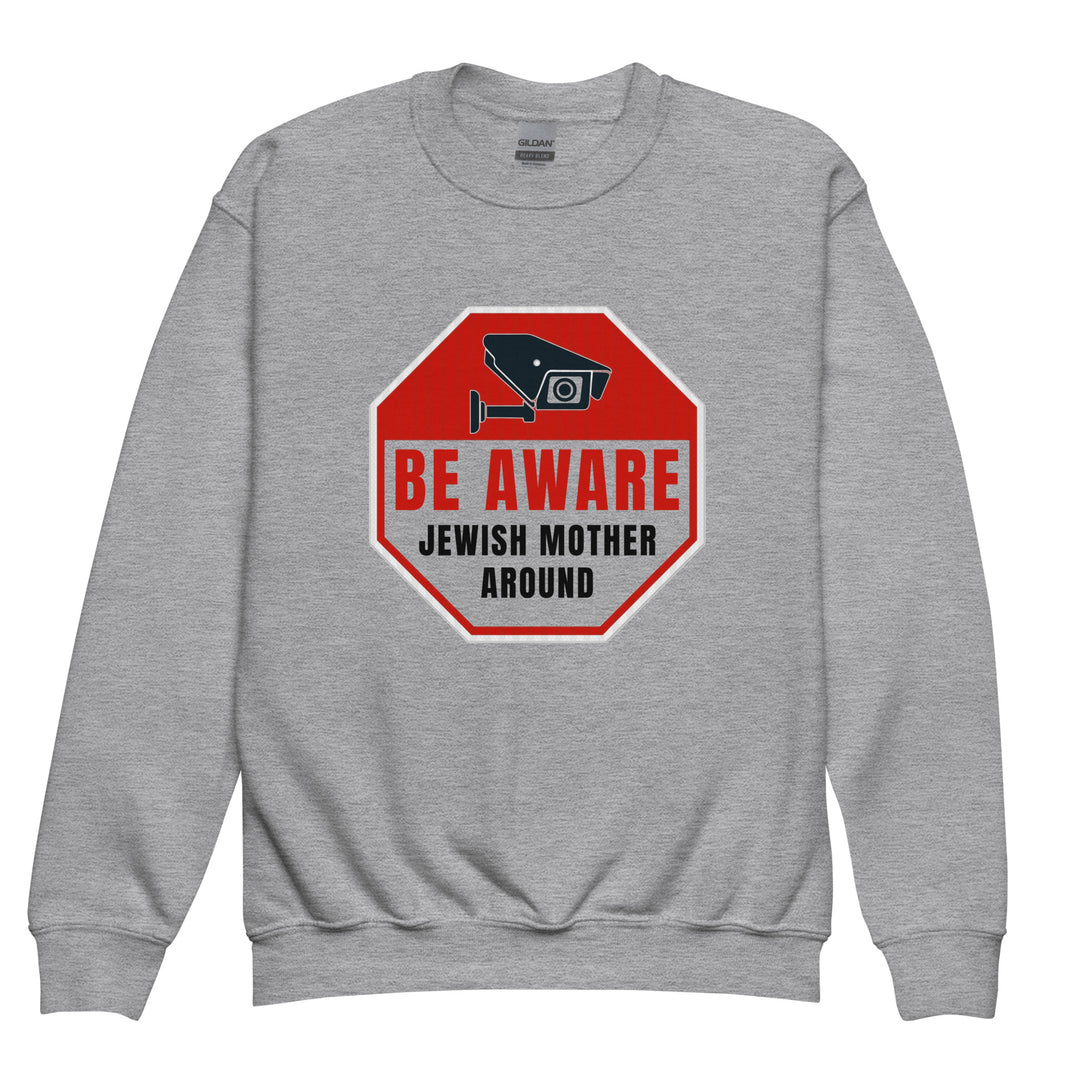
The "Be Aware: Jewish Mother" tote is the natural choice here, for reasons that will be obvious to anyone who has ever shopped with one.
The campus
For students, a tote does something a backpack cannot: it makes a statement while being visibly casual about it. On campuses where Jewish identity has felt complicated in recent years, a bag is a lower-stakes way to be visible than a shirt — easy to carry, easy to set down, entirely your choice how often it comes out.
The shul

Siddur, tallit, the things you bring and do not want to carry loose. A tote that looks intentional rather than accidental changes how the whole thing feels.
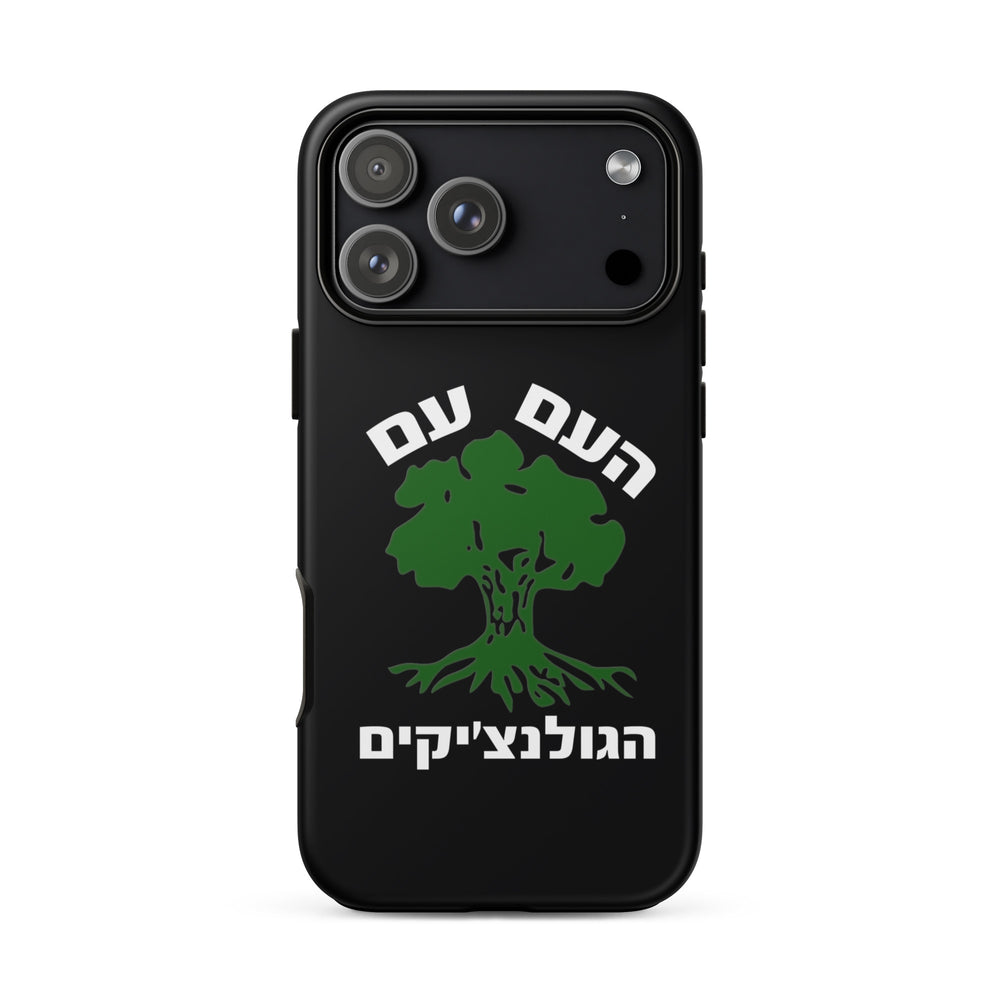
For something with more weight behind it, the Golani tote carries a statement rather than a joke — worth knowing which register suits the person and the place.
The long walk home
Everything else. The library, the beach, the trip where you packed light and then bought things.
What to look for
- Size. A standard tote handles a laptop and a lunch. A large tote handles a week's shopping. They are genuinely different objects and the measurements are listed on each page.
- Material. Organic cotton feels different in the hand and softens with use. Standard canvas holds its shape longer. Neither is better; they age differently.
- Handle length. Shoulder or hand — this is the detail people notice on day one and then never think about again, which is exactly why it is worth getting right.
As a gift
Totes are the gift for the person who has moved recently, started a course, or mentioned in passing that they are trying to use fewer plastic bags. All three are common and all three are easy to forget until you need a gift idea in a hurry.
They also work for the category of recipient where clothing feels too personal — a colleague, a friend's parent, someone whose size you would rather not guess at. A bag has no size. For more in this range, see our Hanukkah guide to gifts under $30.
Browse the collection
Our Jewish tote bags cover the full range of designs, from Hebrew wordplay to bolder statements, with measurements listed on each product page.
If you want something smaller for the gym or a day out, the drawstring bags do the same job in a different shape.
The free tote from the conference will stay in the cupboard. That is fine. Every collection needs a bottom of the pile.