


















Jewish Pride in 2025: Standing Against Antisemitism Through Visibility
The year 2025 has made one thing very clear: antisemitism did not disappear. In many places, it became louder, more normalized, and more visible. Online, in public spaces, and sometimes even in everyday conversations, Jewish people have felt the weight of that reality.
At the same time, something else became visible too: Jewish pride.
Antisemitism in 2025: a reality, not a headline
Antisemitism in 2025 isn’t only about extreme incidents. It also shows up in smaller, constant ways:
-
Casual stereotypes
-
Silence when Jewish communities are targeted
-
Online harassment and coded language
-
Pressure to stay quiet or “not make it political”
For many Jewish people, this creates a feeling of having to shrink. To hide symbols. To avoid conversations. To blend in.
That pressure is exactly why Jewish pride matters.
Why Jewish pride matters more than ever
Jewish pride is not about provocation. It’s about presence.
Being visibly Jewish, whether through symbols, language, culture, or clothing, is a way of saying: I exist, and I’m not apologizing for it.
In times of rising antisemitism, pride becomes a form of resilience. It helps:
-
Counter fear with confidence
-
Replace silence with visibility
-
Build connection between people who recognize each other
-
Remind Jewish communities they are not alone
Jewish pride doesn’t erase antisemitism, but it weakens its power.
Visibility as quiet resistance
Not every act of pride needs to be loud. Often, the most powerful moments are subtle.
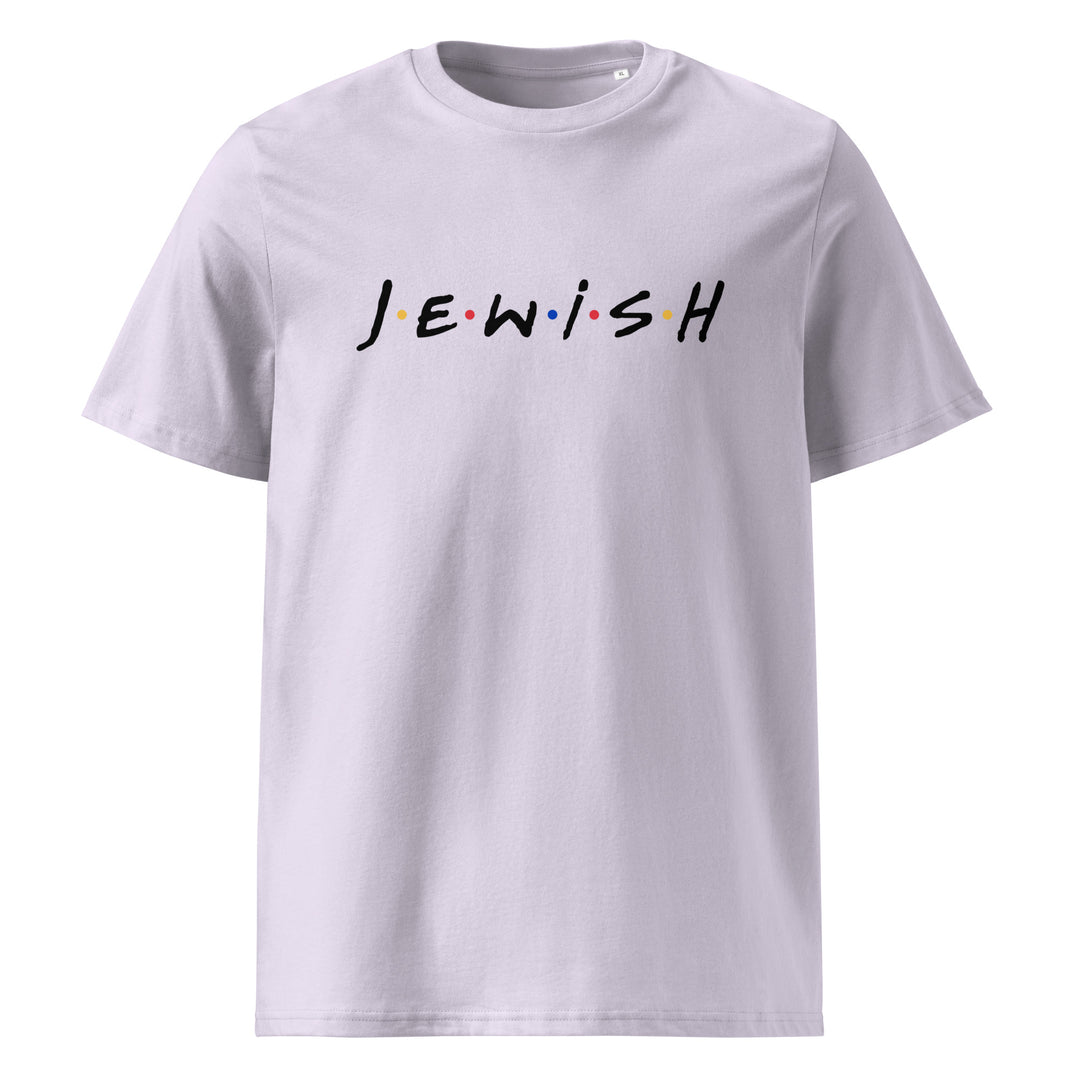
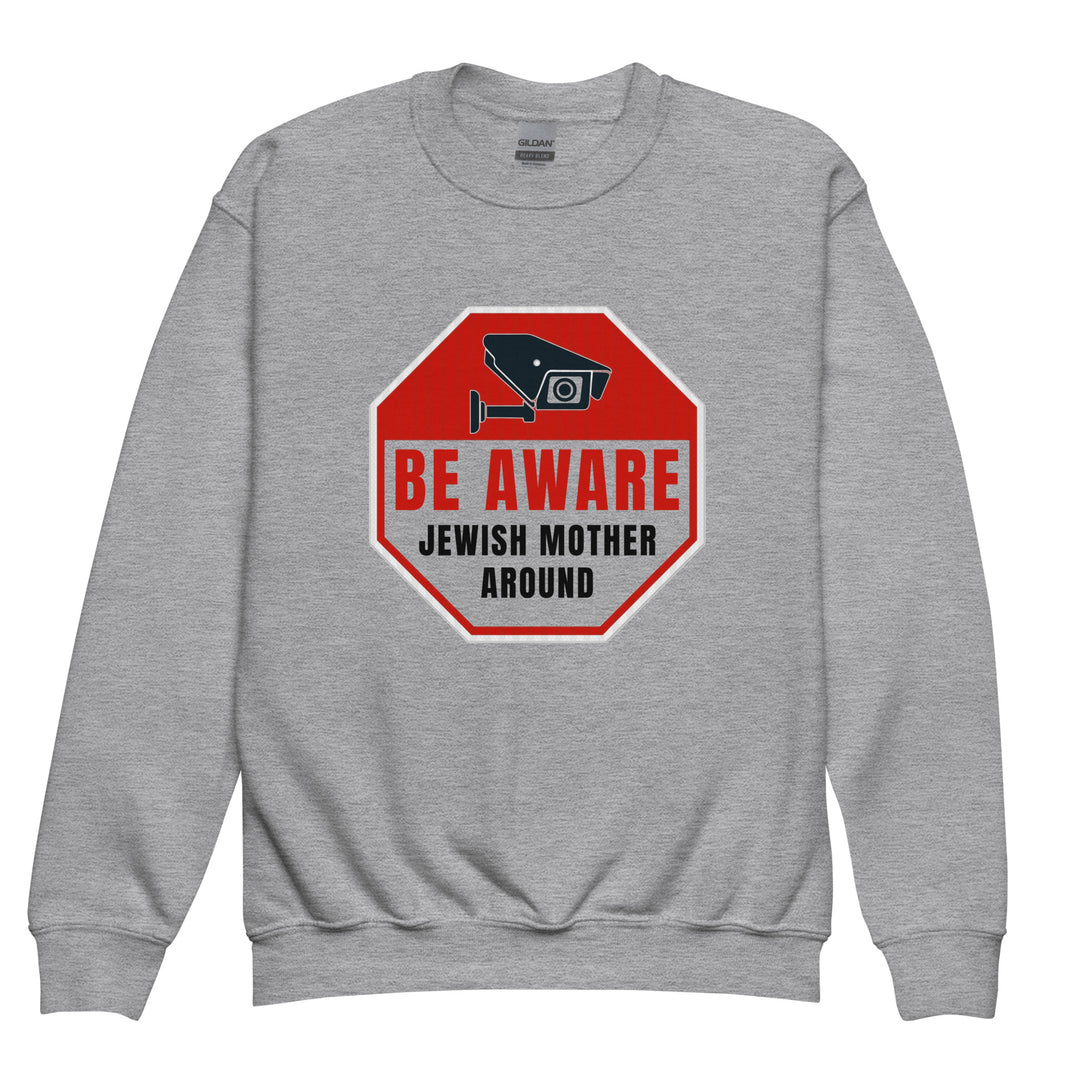
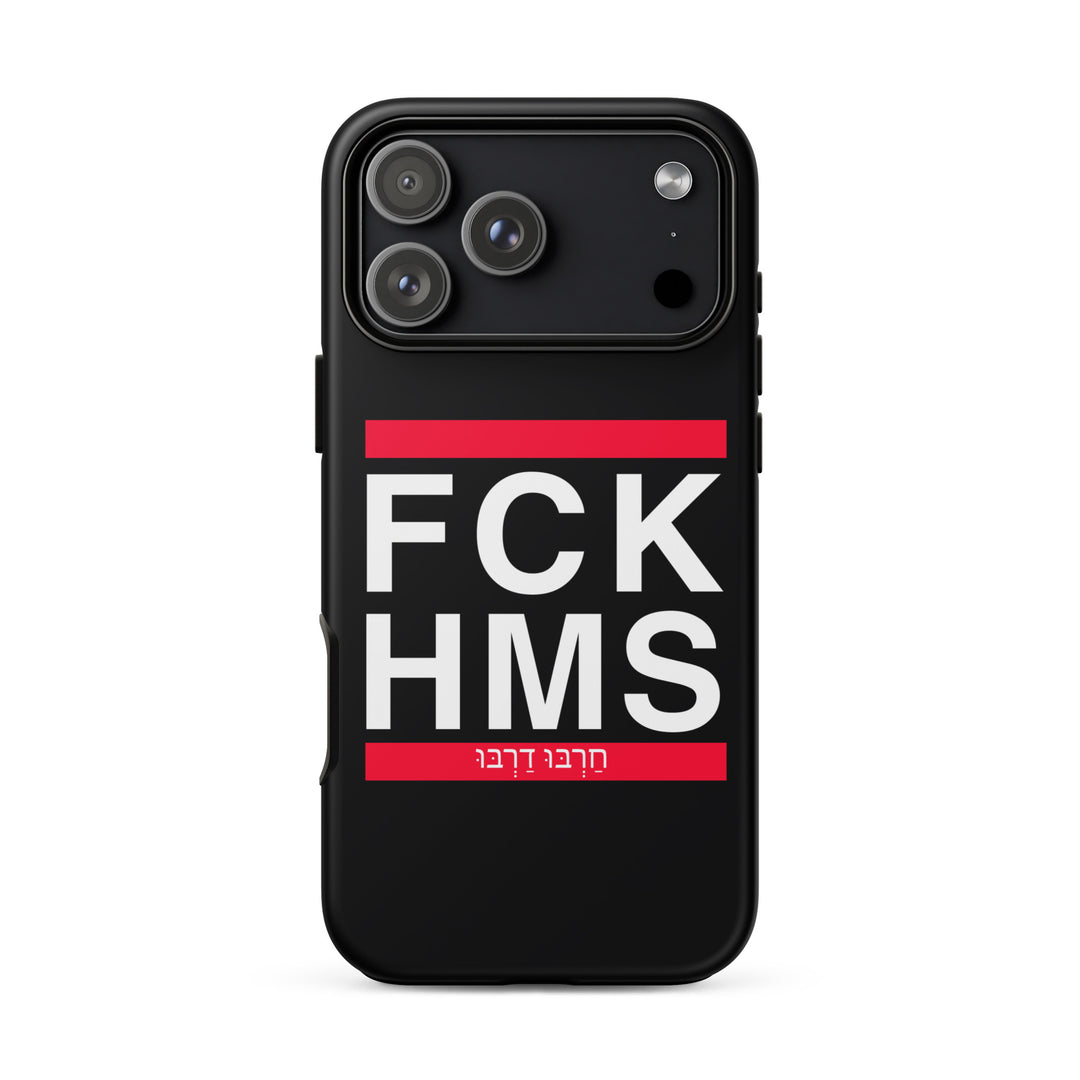
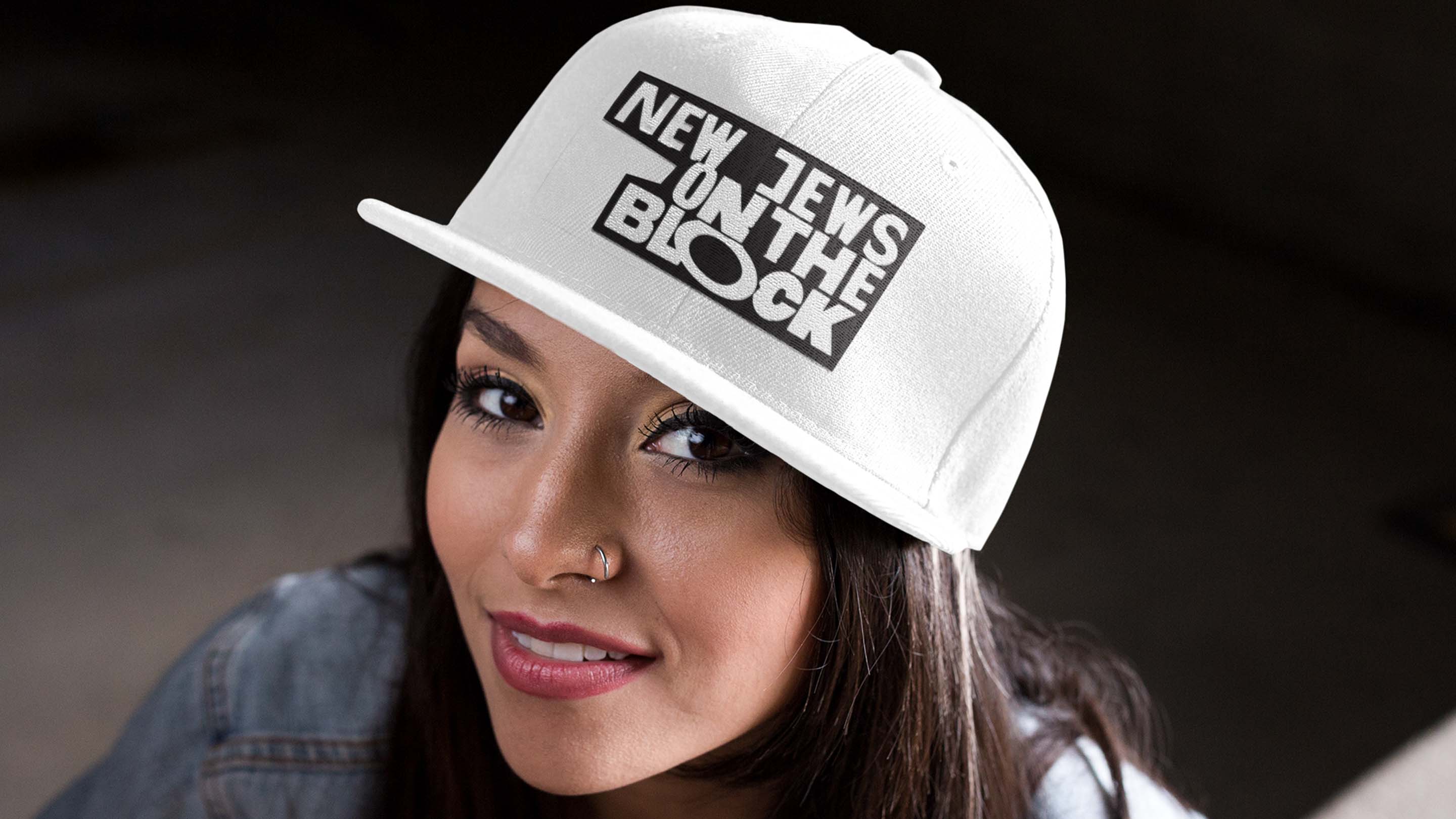
Wearing Jewish support clothing.
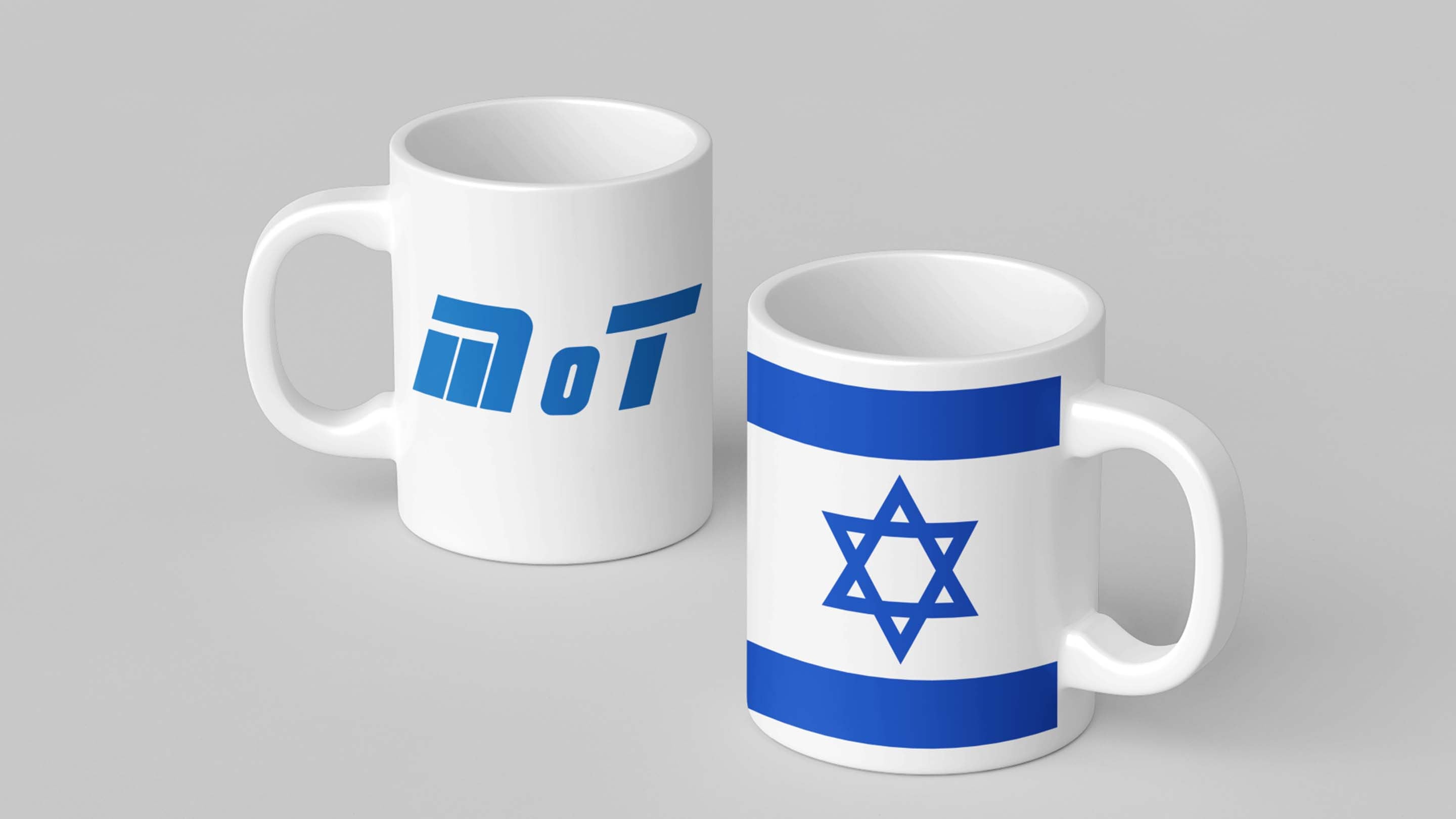
A MoT reference only other Members of the Tribe notice.
A symbol that feels personal, not performative.
These small acts create a sense of shared understanding. A glance. A nod. A feeling of “you’re not alone.”
That kind of visibility matters deeply in 2025.
Jewish support clothing as expression and strength
Clothing has always been a form of communication. Jewish support clothing allows people to express identity without having to explain or debate it.
For some, it’s about strength.
For others, comfort.
For many, both.
Wearing Jewish pride apparel is a reminder to yourself as much as to others: you don’t need permission to exist openly.
Pride without aggression
Jewish pride does not require confrontation. It doesn’t need to shout or provoke. It can be calm, grounded, and self-assured.
That’s often what makes it powerful.
Choosing to be visible in a composed, everyday way sends a message that antisemitism struggles to counter: confidence without fear.
Building resilience through community
One of the strongest effects of Jewish pride is how it connects people. Especially in uncertain times, seeing others express their identity openly builds trust and resilience.
It creates community even among strangers.
In 2025, that sense of shared presence has become more important than ever.
Looking forward
Antisemitism may not disappear overnight. But Jewish pride isn’t going anywhere either.
Every visible expression of identity helps shift the balance. Every moment of presence chips away at fear. Every act of pride reminds the world, and ourselves, that Jewish life is strong, diverse, and ongoing.
Jewish pride in 2025 isn’t about reacting.
It’s about continuing to exist openly, with clarity and confidence.
And that, in itself, is powerful.
Shop the collection: Jewish Gifts · Best Sellers · Funny Jewish Shirts