












Jewish Caps, Beanies and Bucket Hats: Wearing It on Your Head
Covering your head is one of the oldest Jewish habits there is, and also one of the most quietly contested. Halachic requirement for some, custom for others, personal choice for plenty more — and somewhere underneath all of it, a simple practical fact: people have been putting things on their heads for a very long time, for reasons that range from the sacred to the fact that it was cold.
What follows is about the casual end of that spectrum. Not kippot, which are their own subject entirely, but the caps, beanies and bucket hats that do the everyday work.
The cap

The most versatile of the three, and the one that travels furthest. A cap works at a barbecue, on a walk, at a game, and — for many people — as a head covering that does the job without announcing itself.
That last point matters more than it might seem. For someone who wants their head covered but does not want to field questions about it, a cap is the quietest option available. It reads as ordinary to everyone who is not looking for it.
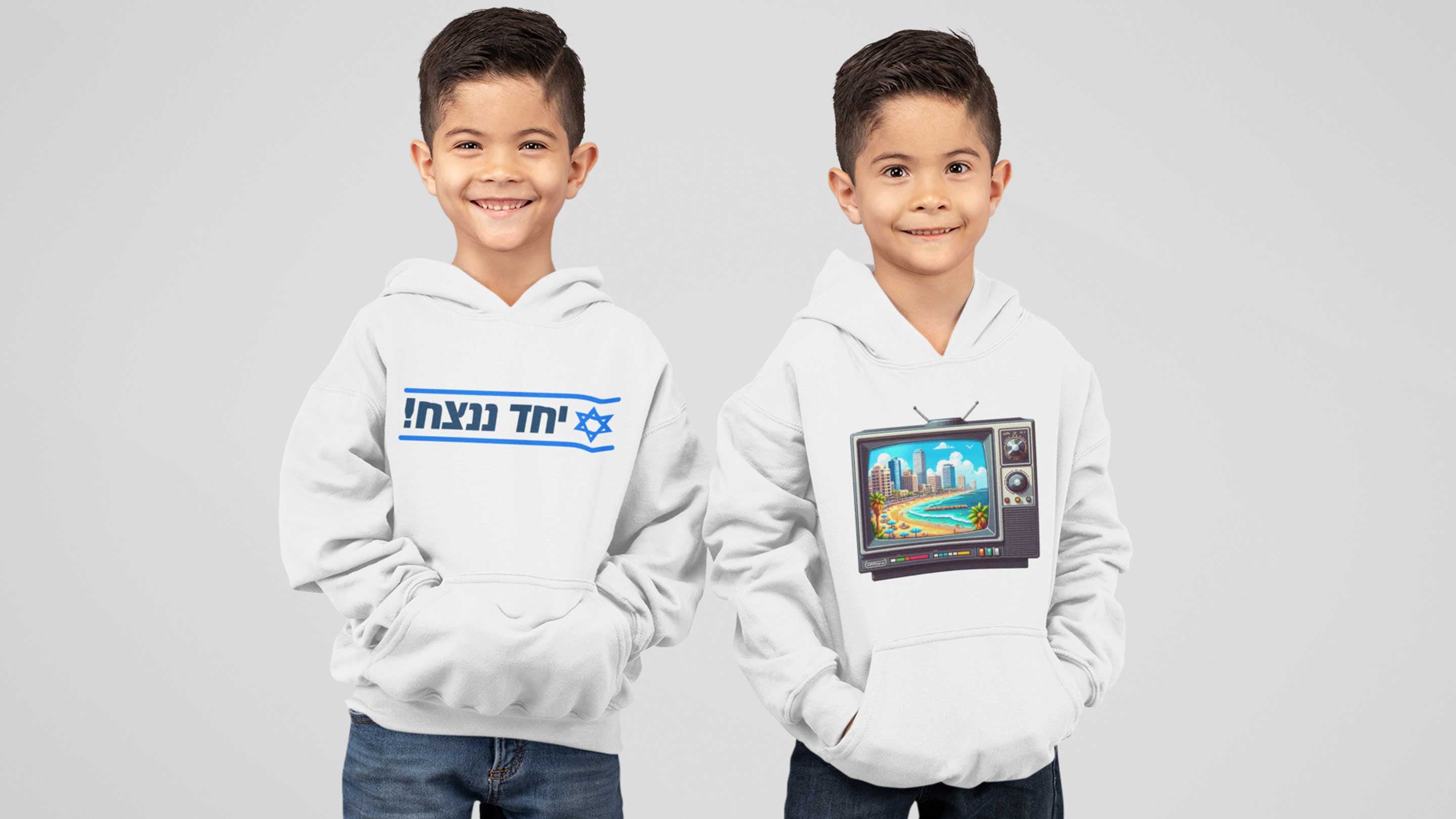
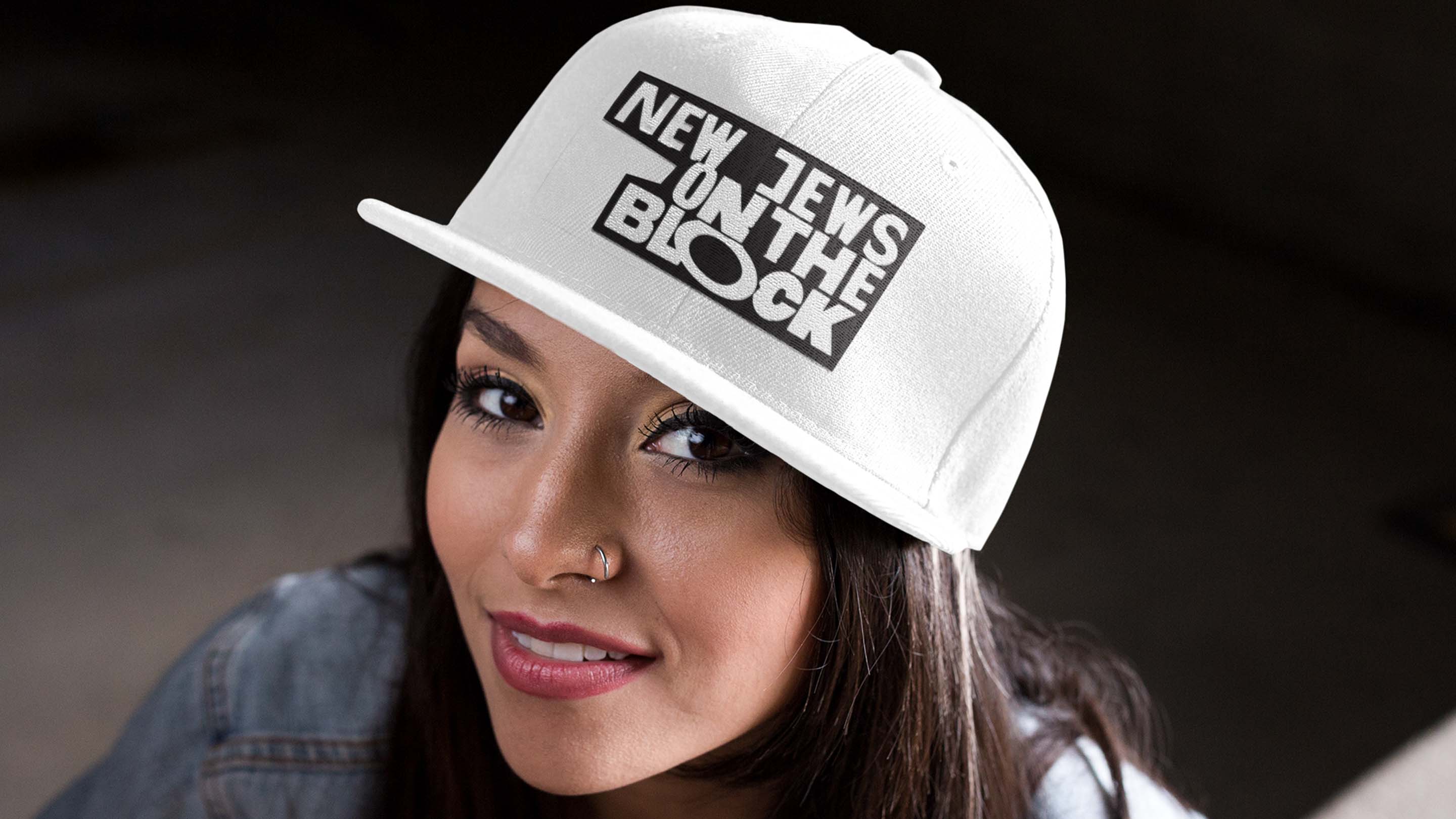
The "New Jews on the Block" snapback is the playful end of the range; the "Together We Will Win" cap with יחד ננצח in Hebrew is the other.
The beanie

December's answer. A beanie does what a cap cannot, which is keep your ears attached to your head between November and March.
It also fits differently as a statement. There is something less performative about a beanie — it reads as practical first, which means the design underneath gets noticed second, after the person has already decided you are not trying too hard.
The cuffed beanie is the standard shape: folded brim, snug fit, works over most hair. The Hebrew version carries the same phrase as the cap, for anyone who wants the set.
The bucket hat

The one with the most opinions attached to it. Bucket hats went from fishing gear to nineties nostalgia to genuine streetwear, and somewhere along that route they became the obvious summer choice for anyone who wants shade without a baseball silhouette.
In Israel, this is simply what people wear. Walk along the Tel Aviv promenade in July and the bucket hat count is extraordinary — it is functional headwear in a country with a great deal of sun.
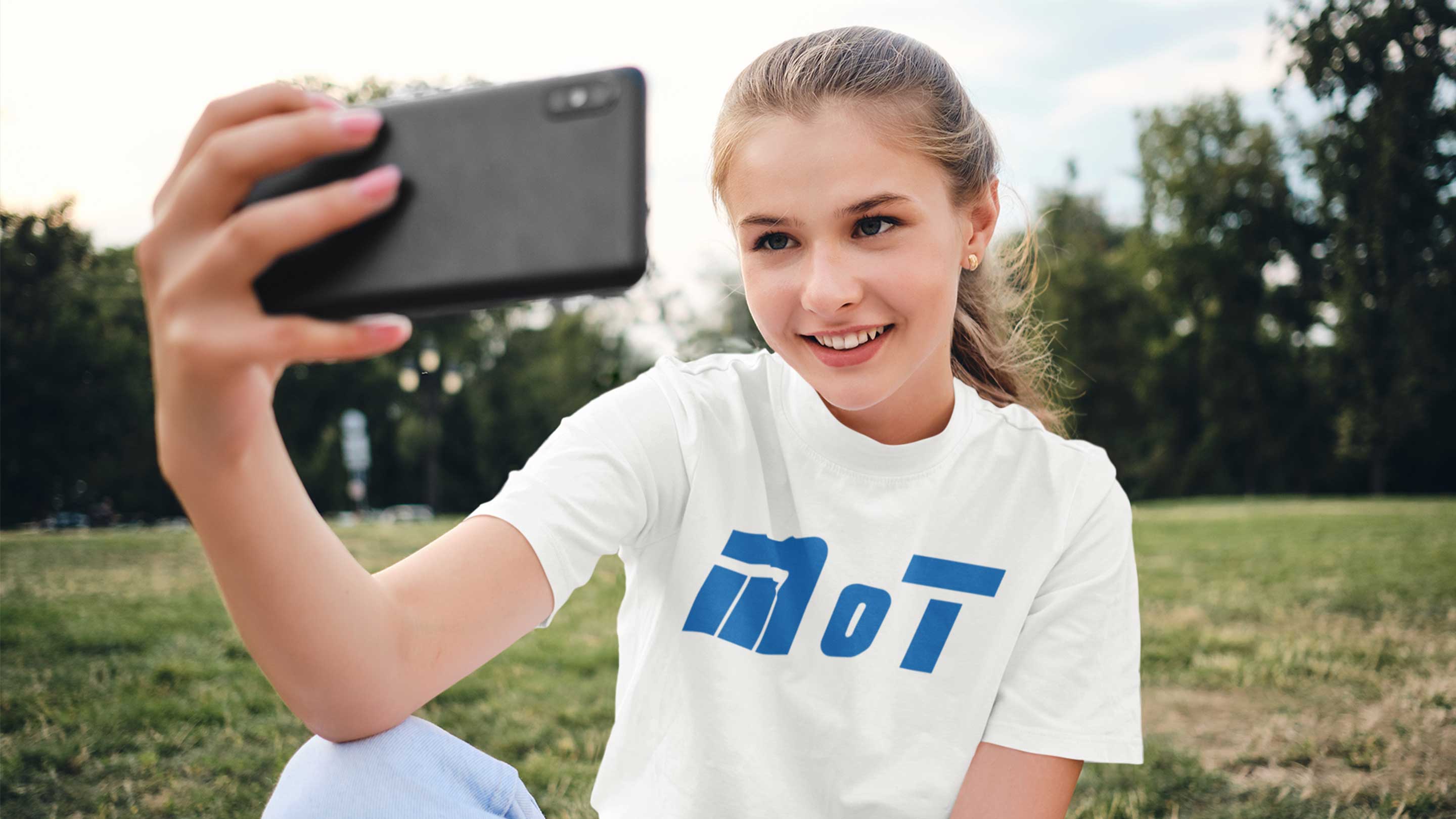
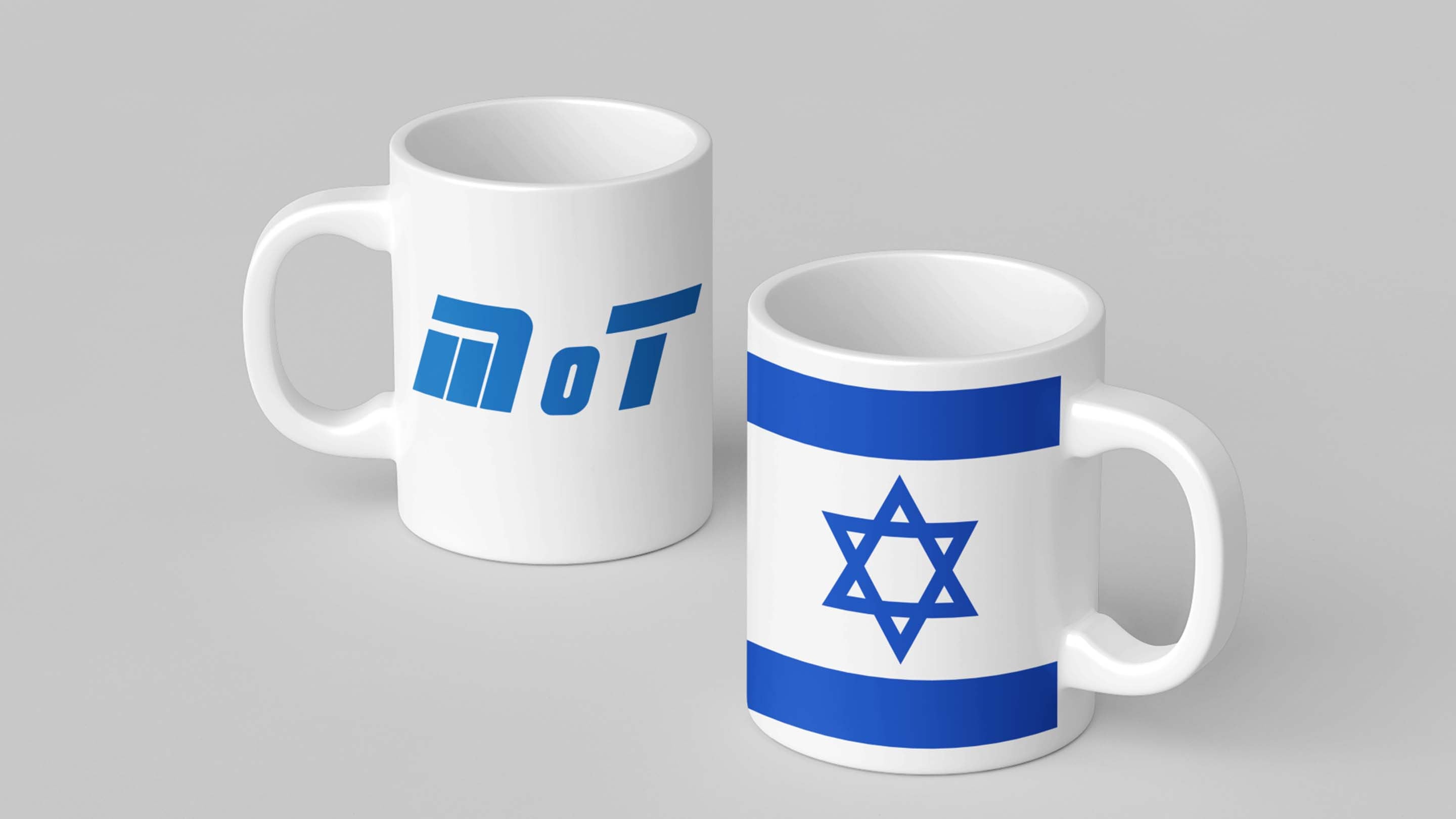
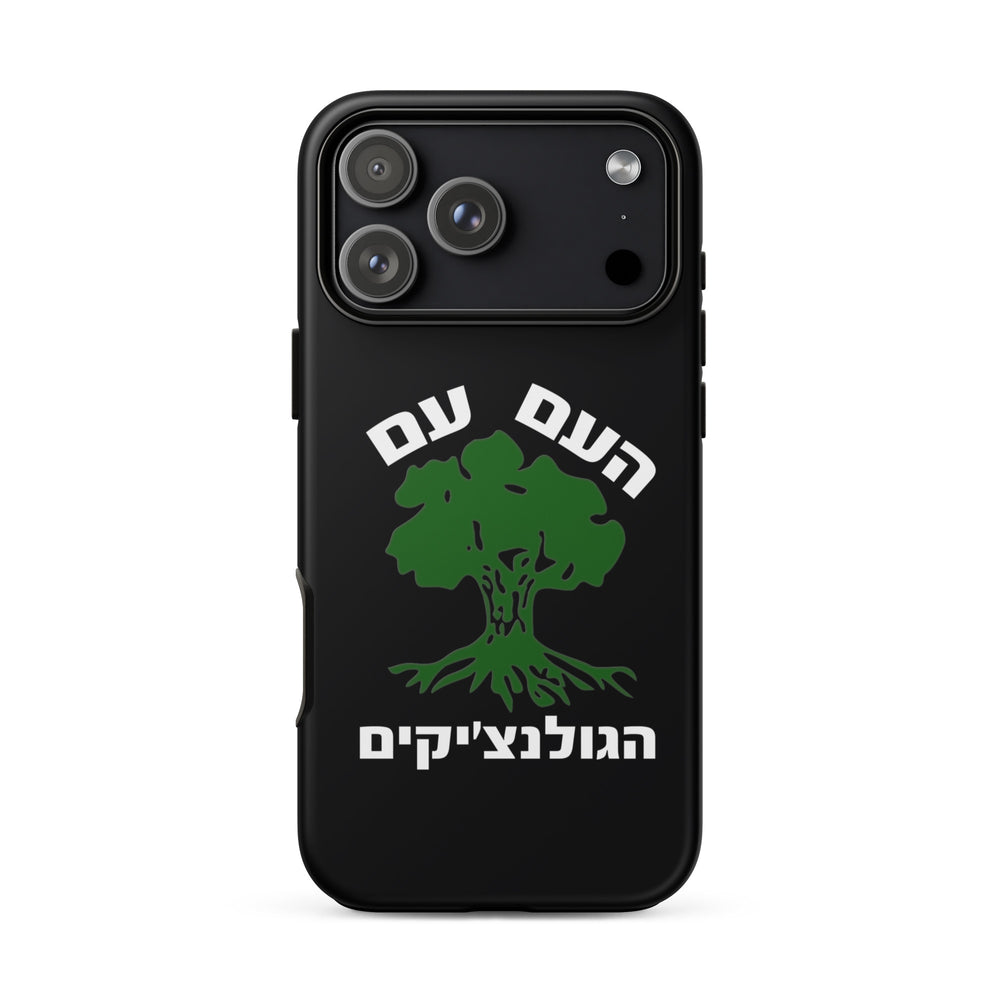
The Golani denim bucket hat leans into that directly; the MOT version is the subtler one — three letters that mean everything to the people who know and nothing to everyone else.
Which one for whom
A rough guide, offered with the acknowledgement that people are not categories:
- The cap — for the person who wants something they will wear without thinking about it. Safest gift of the three.
- The beanie — for anyone in a cold climate, and for students, who lose them constantly and are always grateful for a replacement.
- The bucket hat — for the person with a declared aesthetic. They will either love it immediately or never wear it, and you will know which within about four seconds of them opening it.
Sizing, briefly
Hats are the most forgiving category in the store, which is part of their appeal as a gift. Caps and beanies stretch; bucket hats come in listed sizes with measurements on each product page.
If you are buying for someone whose head measurement you do not know — which is most people, most of the time — a beanie is the one that will fit regardless. For more gift ideas in this range, see our Hanukkah guide to gifts under $30.
Browse all three
The full range sits under accessories, split into caps, beanies and bucket hats.
Whatever ends up on your head, it is joining a tradition that predates every argument about it.