


















Influencers of Faith: How Jewish Creators Are Rebranding Tradition
Where does the newer generation learn about Judaism? The honest answer would unsettle many educators: not primarily in classrooms, and not from pamphlets or sermons — but on their phones, in sixty-second videos, from creators they chose to follow. And this is not necessarily bad news. A wave of Jewish content creators, many of them fashion-forward young women and men, are doing something remarkable: they are rebranding Jewish tradition for the digital age, and fashion is one of their most effective tools.
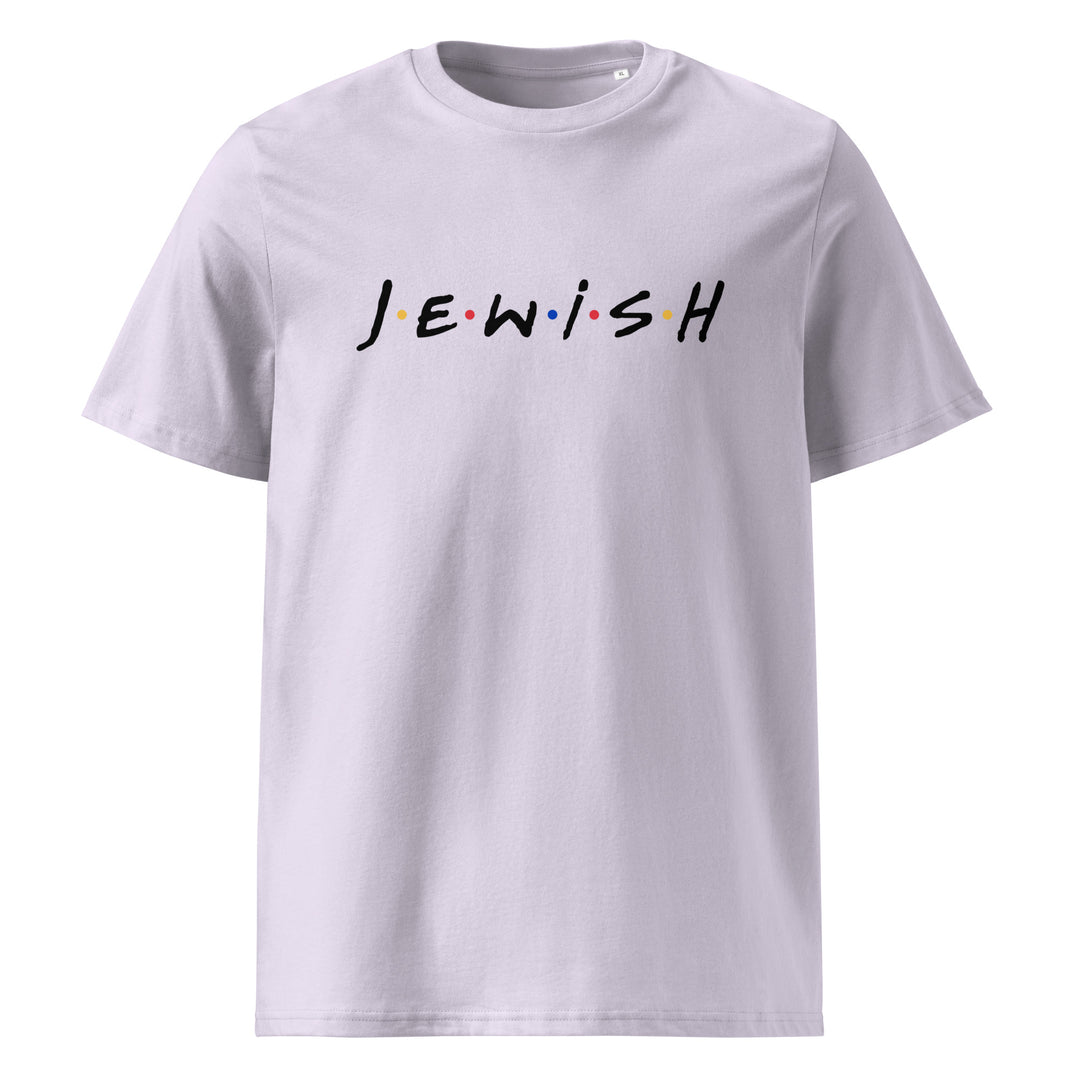
Open TikTok or Instagram and you will find them. "Get ready with me for synagogue" videos where a creator does her makeup while explaining the meaning of Rosh Hashanah. Modest fashion hauls that double as lessons in tzniut. Holiday outfit guides — what to wear to a Passover seder, how to dress for a friend's bar mitzvah if you have never attended one. Sheitel (wig) styling videos from Orthodox creators that draw enormous audiences of every background. Behind-the-scenes glimpses of Shabbat preparation, filmed beautifully, soundtracked perfectly, ending as the phone is set aside before candle-lighting — a gesture that itself teaches more about Shabbat than a paragraph could.
What makes this content so effective is precisely its casualness. Traditional Jewish education often leads with obligation and history; creator content leads with aesthetics and life. The Judaism on these feeds is not an abstract heritage to be preserved but a lifestyle being lived — stylish, warm, funny, occasionally messy, unmistakably real. For young viewers, especially those with limited Jewish education or complicated relationships with institutions, this is often the first time they see Jewish life presented as aspirational rather than obligatory. The creator is not telling them to be more Jewish; she is simply being Jewish, gorgeously, on camera. The invitation is implicit and therefore powerful.
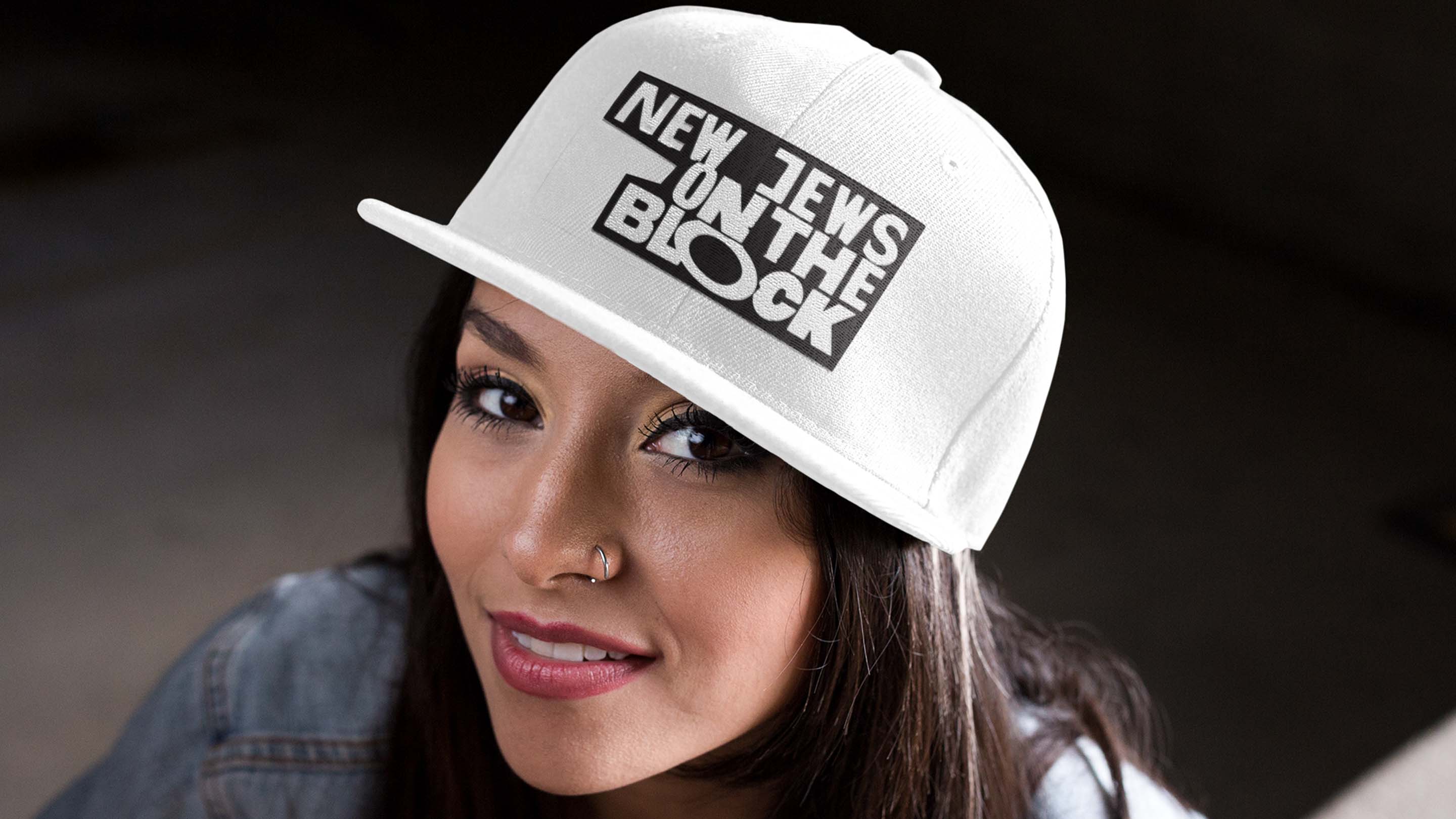
The diversity on display matters just as much as the style. The influencer landscape showcases Sephardic, Ashkenazi, Mizrahi, and Ethiopian Jewish creators; Orthodox, traditional, secular, and everything between; Jews of color; converts documenting their journeys; young families and single city-dwellers. Their fashion reflects this range — from Brooklyn modest-chic to Tel Aviv streetwear to French elegance with a hamsa at the throat. For decades, mainstream portrayals flattened Jewish identity into a narrow image. Creator culture has shattered that, and young Jews scrolling through this variety receive a liberating message: there are countless ways to look Jewish, dress Jewish, and be Jewish — and yours counts too.
Representation through fashion content does quiet identity work that institutions struggle to replicate. A teenager unsure whether she "fits" Jewish spaces sees a creator who dresses like her, jokes like her, and lights candles on Friday — and something clicks: there is room for me. A college student facing antisemitism online watches creators respond with confidence and style rather than fear, and borrows some of that posture. Multiply these moments across millions of views and you have, arguably, one of the most significant Jewish engagement mechanisms of our time — built not by federations or foundations, but by twenty-somethings with ring lights and good taste.
Communities and institutions would be wise to embrace rather than dismiss this ecosystem. Partner with creators for campaigns and events. Invite them to speak — young audiences will show up. Fund Jewish creative talent the way previous generations funded Jewish scholarship, recognizing that a beautiful feed may bring more young people to a Shabbat table than another brochure ever will. And crucially, trust the medium: polish and style are not superficiality when they carry substance. The rabbis taught complex ideas through stories because stories traveled. Today, stories travel as videos, and their language is visual — outfits included.
None of this replaces depth; it creates the appetite for it. A viewer who discovers Shabbat through a creator's candle-lit reel may eventually seek the real table, the real community, the real learning. Fashion and content are doorways, not destinations. But a tradition that wants heirs must first be seen — and right now, Jewish creators are making it seen, follower by follower, outfit by outfit. Call it shallow if you like. The numbers, and the young Jews quietly finding their way home through them, suggest otherwise.
Shop the collection: Best Sellers · Funny Jewish Shirts · Jewish Gifts for Men