

















I Survived Rosh HaShana: What the High Holidays Actually Ask
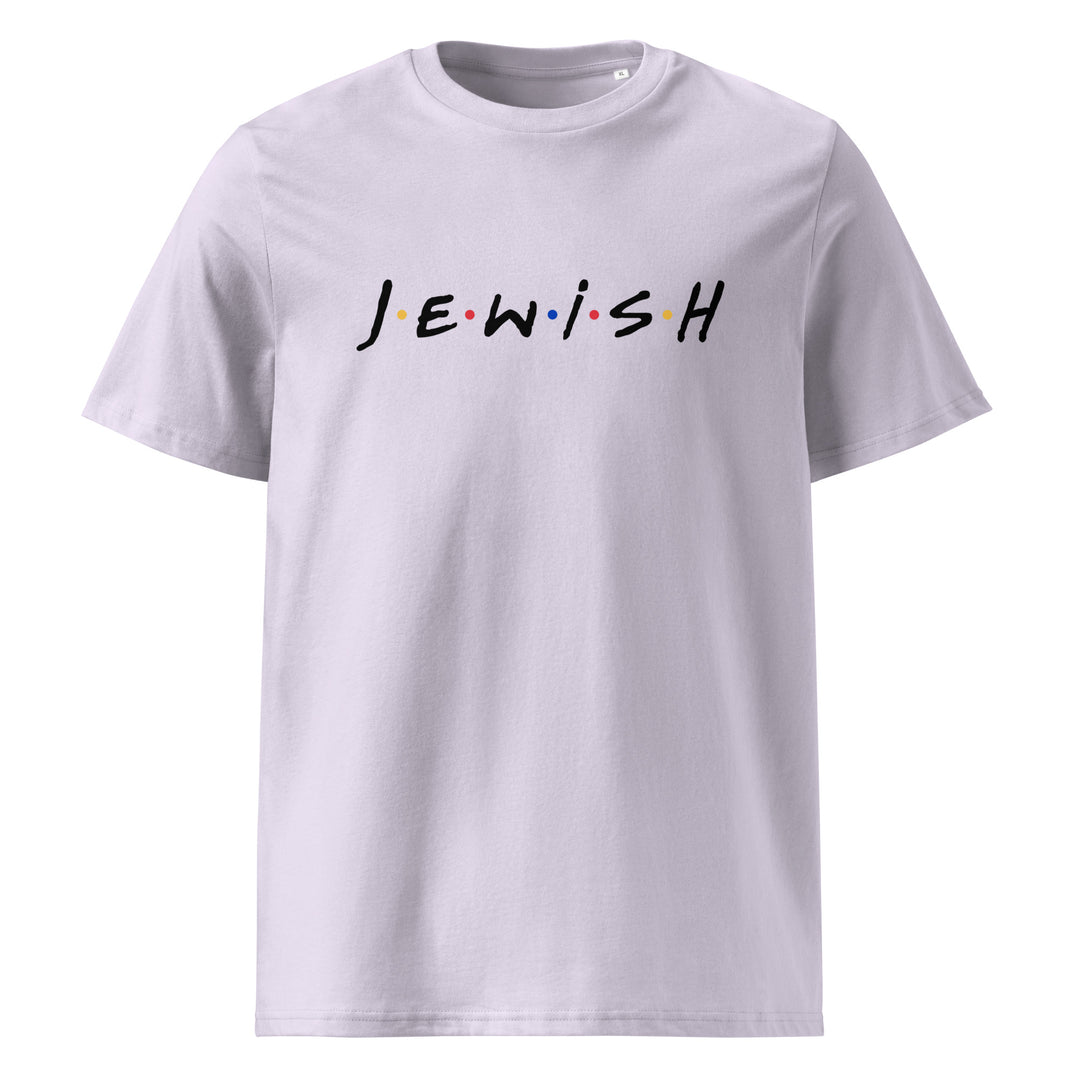
There is a joke shirt that reads I Survived Rosh HaShana, and like most good jokes it is funny because it is accurate. The High Holidays are genuinely demanding, in a way the rest of the Jewish calendar is not.
What Actually Happens
Rosh HaShana opens a ten-day stretch called the Days of Awe, ending with Yom Kippur. The framing is judicial: the books are open, your conduct over the past year is being weighed, and you have until Yom Kippur to make your case.
That produces a specific kind of work. Not ritual observance in the ordinary sense, but the requirement to go back to people you have wronged and address it. The tradition is explicit that Yom Kippur atones for offences between a person and God, but not for offences between people. Those you have to sort out yourself, first.
So a fair share of the ten days goes on conversations nobody wants to have.
Why the Joke Lands
Add to that: two days of synagogue, a long meal with extended family, another long meal, the question of who is hosting, the question of who is not speaking to whom, and then a twenty-five hour fast to finish.
By the time Yom Kippur ends, survived is not an exaggeration. It is a fair description of the physical experience, and it does not mock the seriousness of the thing. That is the balance the shirt gets right.

I Survived Rosh HaShana, from our Rosh HaShanah apparel. Printed to order, shipped worldwide.
The Shofar
The ram's horn is sounded a hundred times over Rosh HaShana. Maimonides read it as an alarm clock: wake up, look at what you have been doing.
It is deliberately not a musical instrument. The sound is raw and a little ugly, which is the point. A shofar blast is closer to a cry than to a note.
Our full guide to the shofar covers the four sounds and why a ram's horn specifically.
The Food Has a Logic
Apples and honey for a sweet year. That one everyone knows.
The round challah is less obvious: braided loaves are for the rest of the year, round ones for Rosh HaShana, because the year is a cycle rather than a line.
Pomegranate, because of the tradition that it holds 613 seeds, one for each commandment. It does not, but the number stuck.
And in some households a fish head on the table, because Rosh HaShana literally means head of the year, and somebody decided to take that literally.

Shofar So Good, also from our Rosh HaShanah collection. See also our Jewish food shirts.
Common Questions
What is Rosh HaShana?
The Jewish New Year, and the opening of the ten Days of Awe that end with Yom Kippur.
Why is the challah round at Rosh HaShana?
Braided loaves are used the rest of the year. The round loaf represents the year as a cycle rather than a straight line.
What does the shofar mean?
A ram's horn sounded to wake the listener to self-examination. Maimonides described it as an alarm. Its sound is deliberately raw rather than musical.
Does Yom Kippur atone for everything?
No. Tradition holds it atones for offences between a person and God. Offences between people have to be addressed with those people directly, before the day arrives.
When is Rosh HaShana?
The dates move each year because the Jewish calendar is lunisolar. Our guide to Jewish holiday dates has the exact dates.
From the MoT Shop
We print Jewish and pro-Israel designs to order and ship across the United States and worldwide. Browse our Rosh HaShanah apparel, our funny Jewish shirts, or read our guide to Jewish holiday dates.