









Hanukkah at Target, Walmart and Michaels: What Changed and What It Costs
Walk into a Target, a Walmart or a Michaels in November and you will find Hanukkah merchandise. Blue and white garlands, menorah-print pyjamas, dreidel cushions, gift wrap. Fifteen years ago you would not have found any of it.
This is a genuine change, and the community response to it has been more complicated than either celebration or complaint.
What Actually Happened
Numerator, a consumer trends firm, surveyed 11,000 people in January 2022. Fourteen percent said they were definitely or probably celebrating Hanukkah, against 96 percent for Christmas. More than half of those Hanukkah celebrants expected to spend over fifty dollars on the holiday.
That is a small share of the population and a meaningful amount of money. Retailers noticed.
Why Many Jews Welcomed It
The most common reaction has been relief at being visible.
Ariel Stein, who shares Jewish crafting and holiday content with over 20,000 followers on Instagram, put it plainly: seeing Hanukkah merchandise in Target or Walmart or Michaels produces something close to pride, a feeling of being seen and represented. In a sea of Christmas, she said, it feels good that the Jewish holiday is there too.
That is not a small thing, particularly in a period when many American Jews have felt less safe being visible.
Why Some Jews Are Uneasy
Three objections come up repeatedly.
The wrong holiday
Hanukkah is, religiously speaking, a minor festival. It has no work restrictions and does not appear in the Torah. Its prominence in America is largely a function of its proximity to Christmas.
The writer Elissa Wymer-Santiago framed the discomfort as a question: what would it feel like to see a giant Shavuot display? Shavuot commemorates the giving of the Torah. It matters far more and sells far less.
The production
Much of the big-box Hanukkah range is fast fashion, produced cheaply overseas, often in China. That raises the same questions fast fashion raises everywhere, with an added one: whether easily available, generically designed Judaica makes Jewish communities less distinctive rather than more visible.
Dan Friedman, a writer and long-time climate activist, put it sharply, while adding that systemic change matters more than individual purchasing decisions.
The design
Mass-market Judaica tends toward the same small set of motifs, rendered for the widest possible audience. It is legible, and it is anonymous.
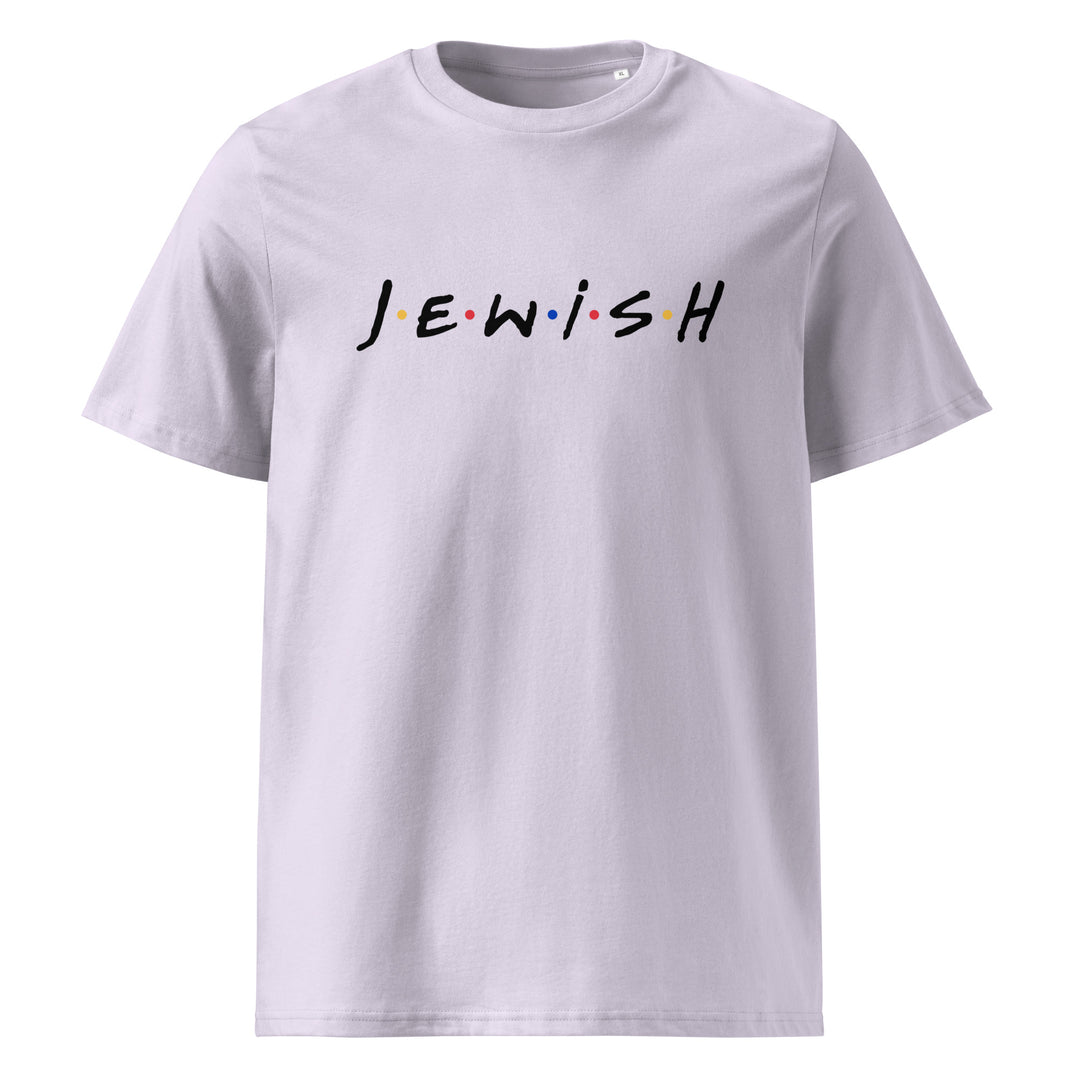
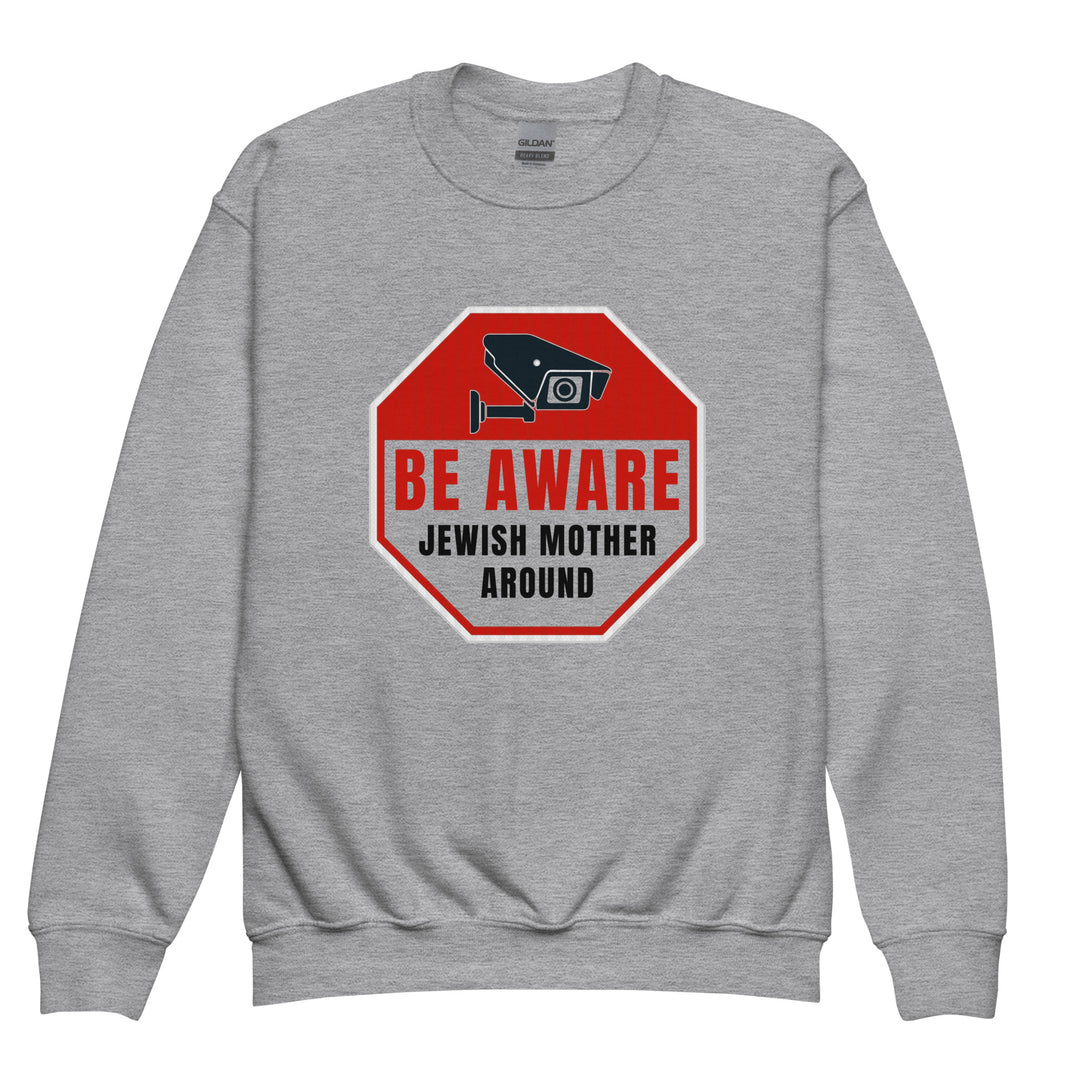
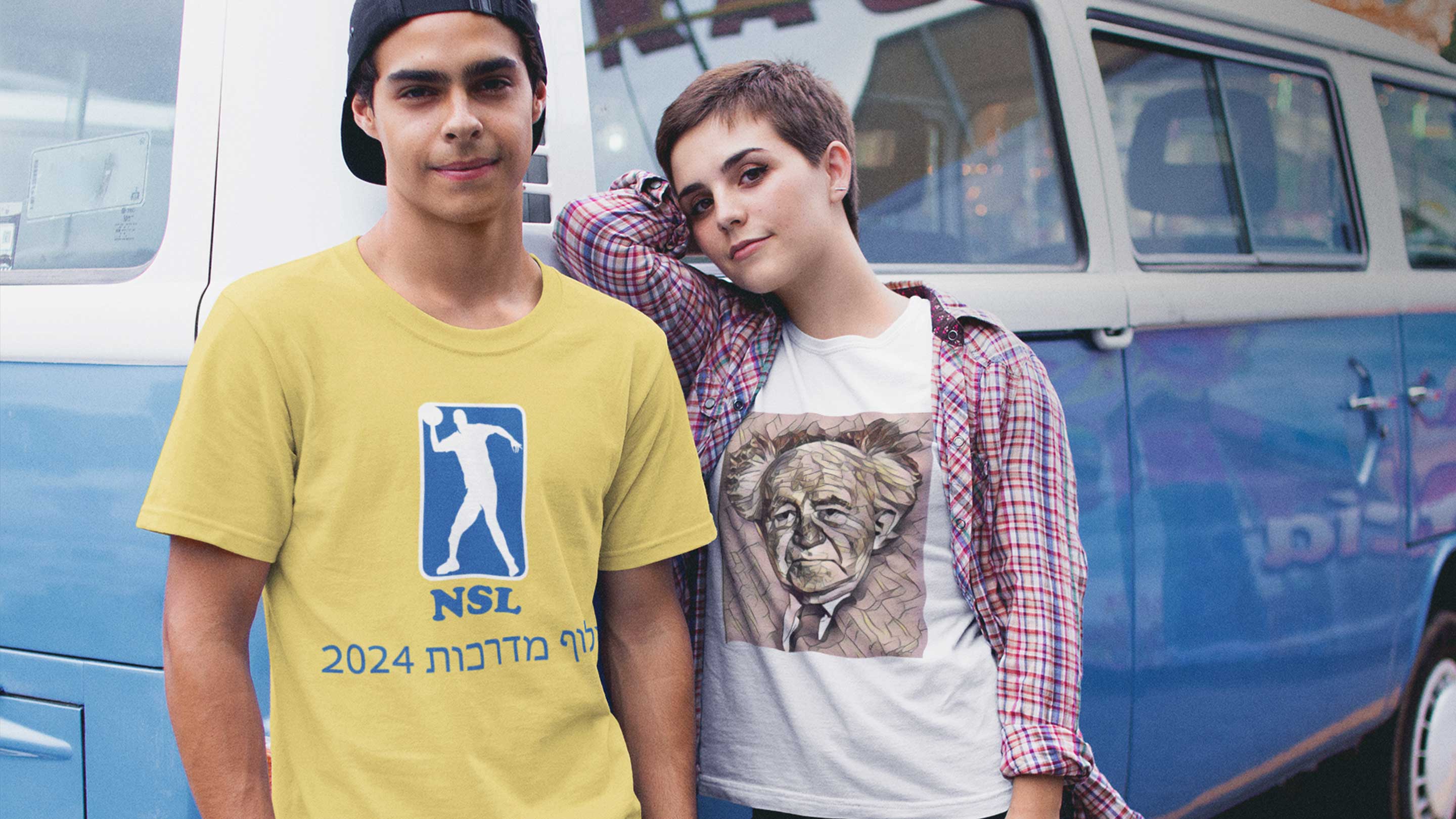
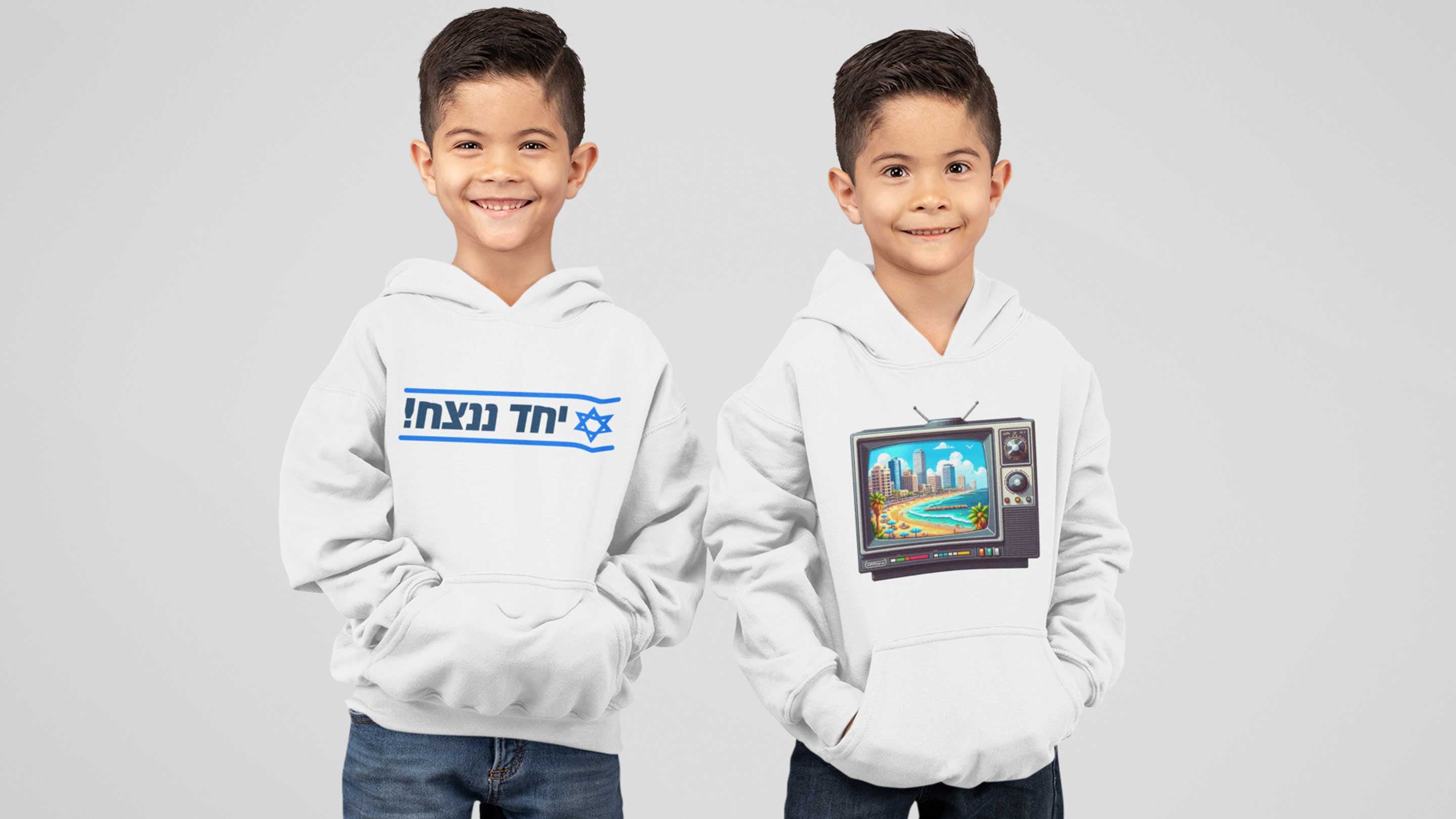
This is the gap we work in. Our Star of David and Jewish symbols collection and Yiddish shirts and Jewish humor are drawn in house. Not licensed stock art, not a pop-culture parody with a dreidel added.
What Print-to-Order Changes
We should be straightforward about our own position, since we sell into this market.
Every piece we make is printed after it is ordered. Nothing is produced in bulk on a forecast and nothing is left over when a season ends. That is not a moral claim about anyone else's business model; it is a description of how ours works and why our range can include designs a stocked retailer could never justify holding.
We do not compete with Target on price, and we would lose if we tried. What we offer instead is that the design came from somewhere, and that nobody printed ten thousand of them hoping they would sell.
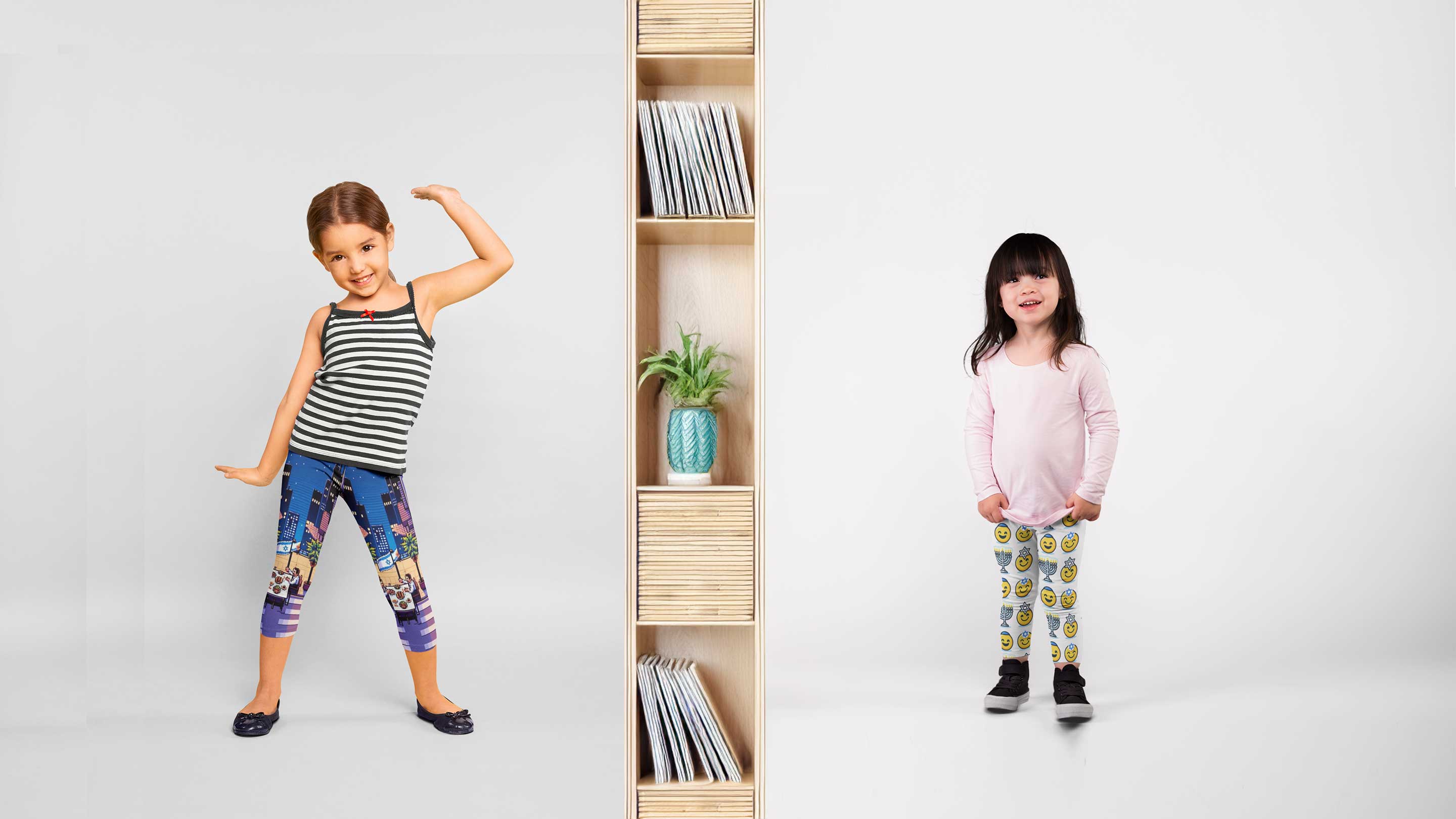
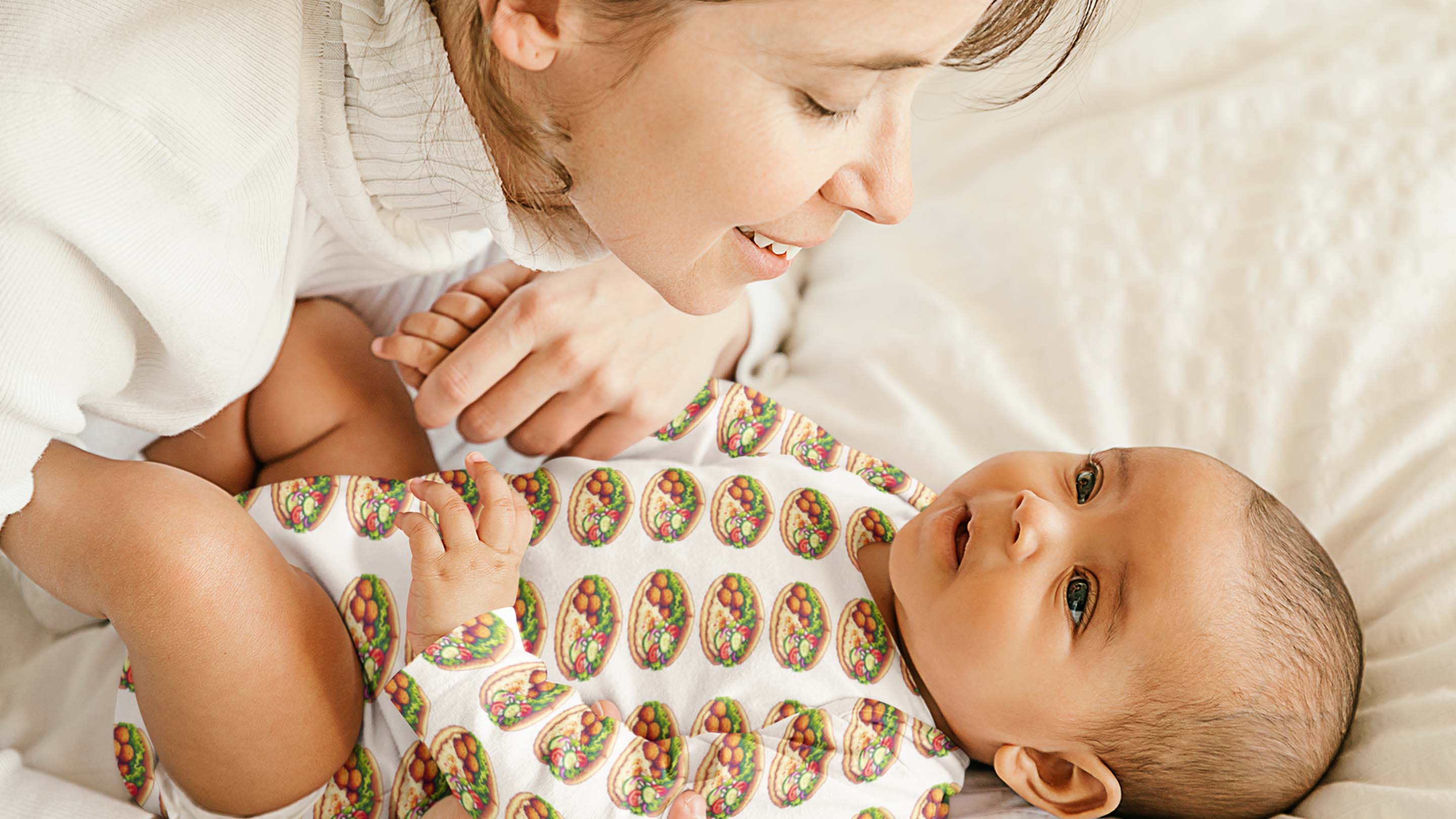
If that matters to you: our funny Jewish shirts, Jewish food shirts and Jewish kids clothing are all made this way, and all ship across the United States.
A Reasonable Position
Both reactions are defensible at once. Visibility in mainstream retail is genuine progress, and it says something about where American Jews stand that it took until the 2020s. The concern about anonymous mass-produced Judaica is also fair, and it will not be resolved by anyone feeling guilty in a Target aisle.
The practical answer is probably the boring one: buy the wrapping paper wherever, and put thought into the things that will still be around in five years.
Common Questions
Why do Target and Walmart sell Hanukkah products now?
Because the spending is real. Around fourteen percent of surveyed American consumers celebrate Hanukkah, and over half of those expected to spend more than fifty dollars on it.
Is Hanukkah an important Jewish holiday?
Religiously it is minor. It carries no work restrictions and is not in the Torah. Its prominence in America comes largely from its position in the calendar next to Christmas.
What is wrong with fast-fashion Judaica?
The objections are the standard fast-fashion ones plus one specific to this case: whether cheap generic Jewish goods make Jewish life more visible or simply more interchangeable.
When is Hanukkah?
The dates move each year because the Jewish calendar is lunisolar. Our guide to Jewish holiday dates has the exact dates for 2026 and 2027.
From the MoT Shop
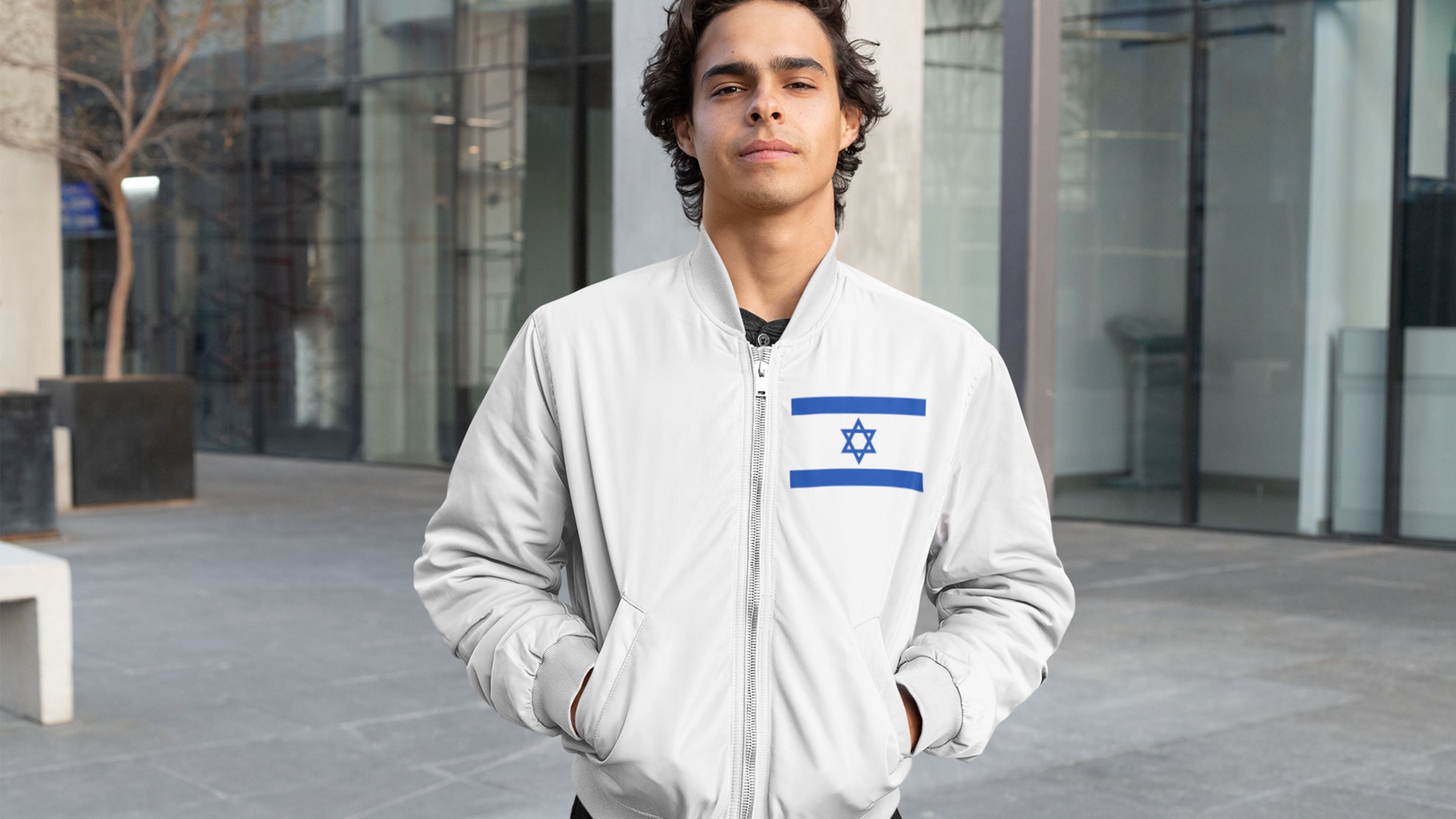
We print Jewish and pro-Israel designs to order and ship across the United States. Browse our Jewish streetwear, our Israel flag apparel, or read our guide to the menorah and chanukiah.