















From Tel Aviv to TikTok: Israeli Streetwear's Global Reach
Ask a fashion insider to name the world's most exciting streetwear scenes and you will hear the usual suspects: Tokyo, Seoul, London, Los Angeles. But quietly, persistently, another city has been earning its place on that list — Tel Aviv. And for young Jews around the world, the rise of Israeli streetwear represents something more than a trend. It is a wearable connection to identity, culture, and place, delivered in the visual language their generation speaks fluently.
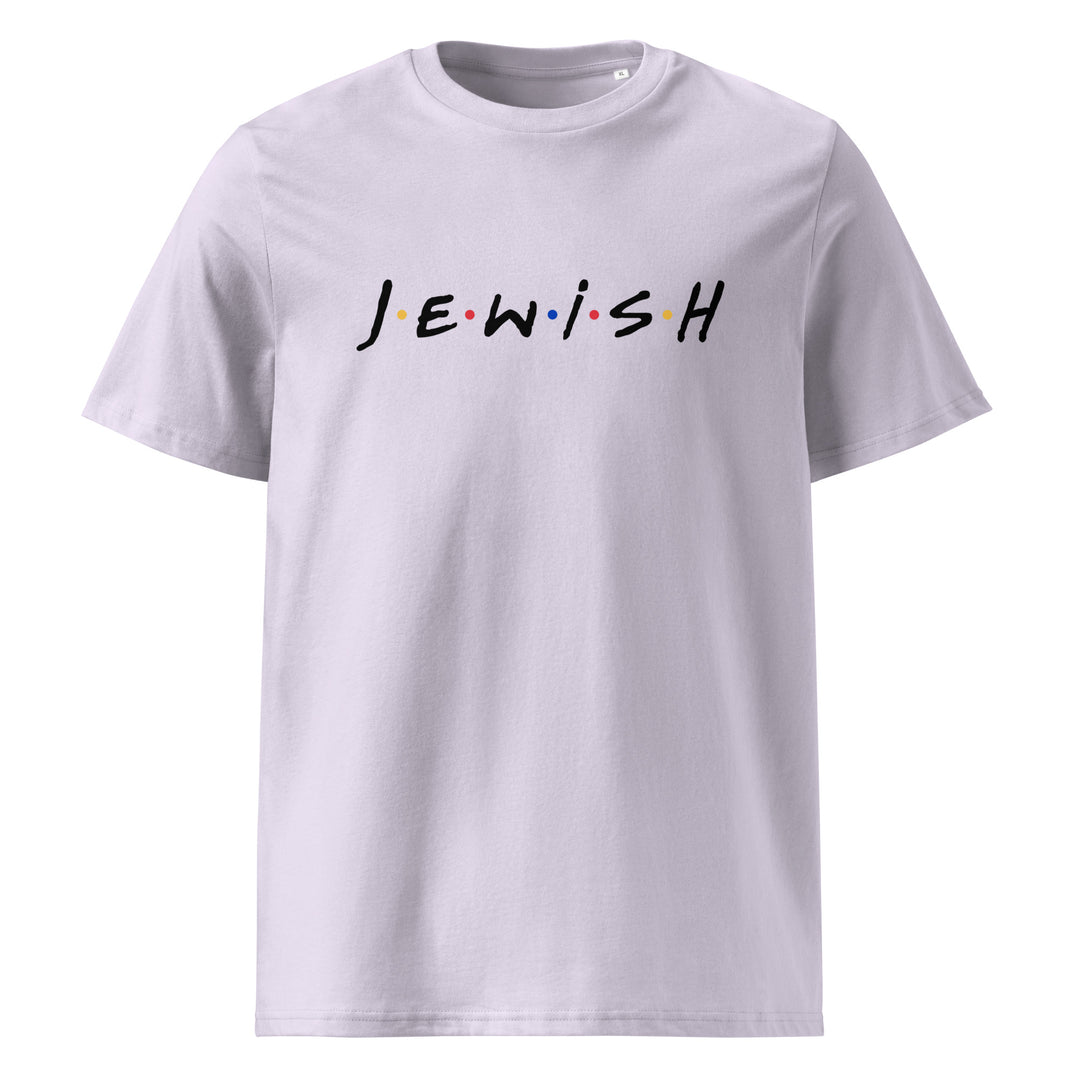
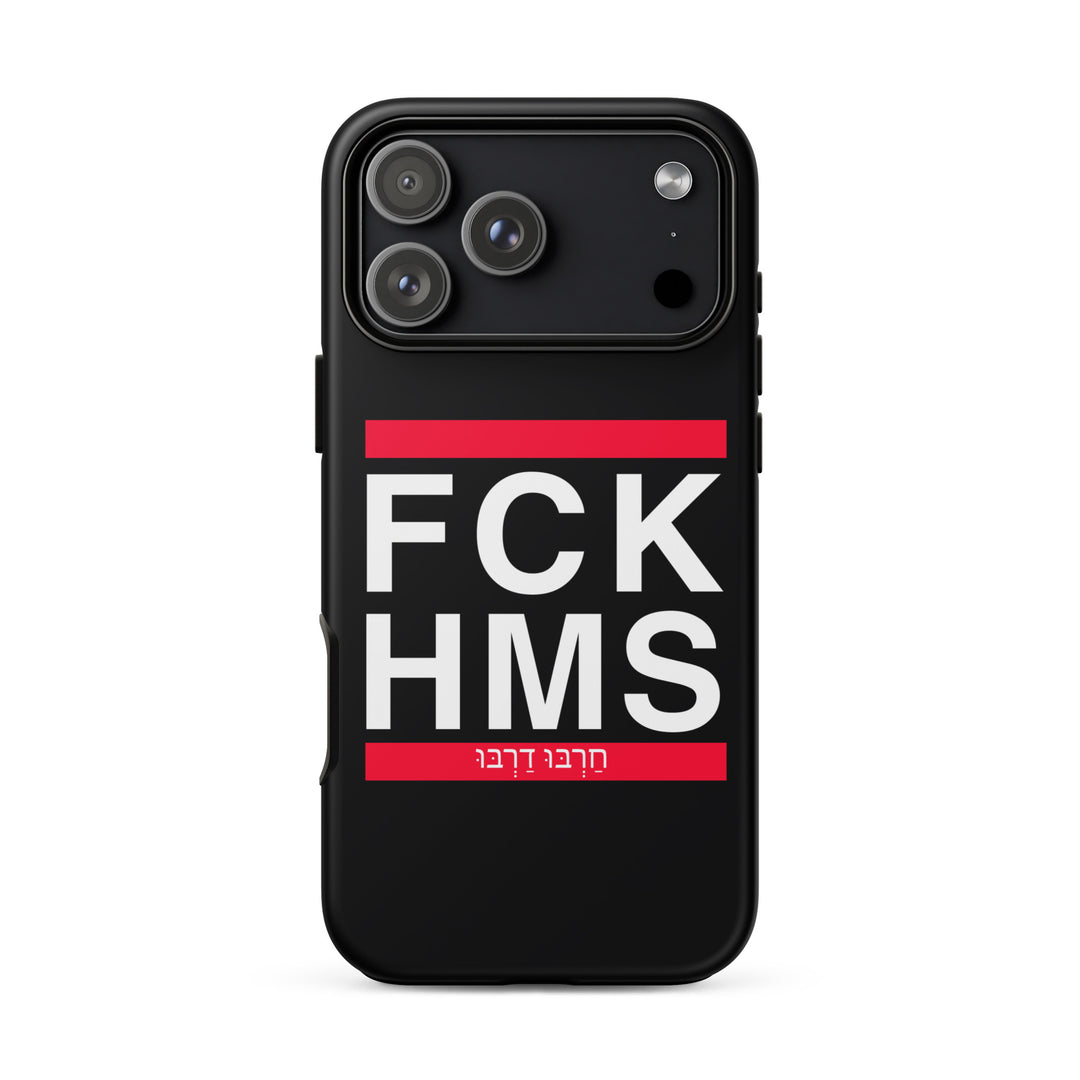
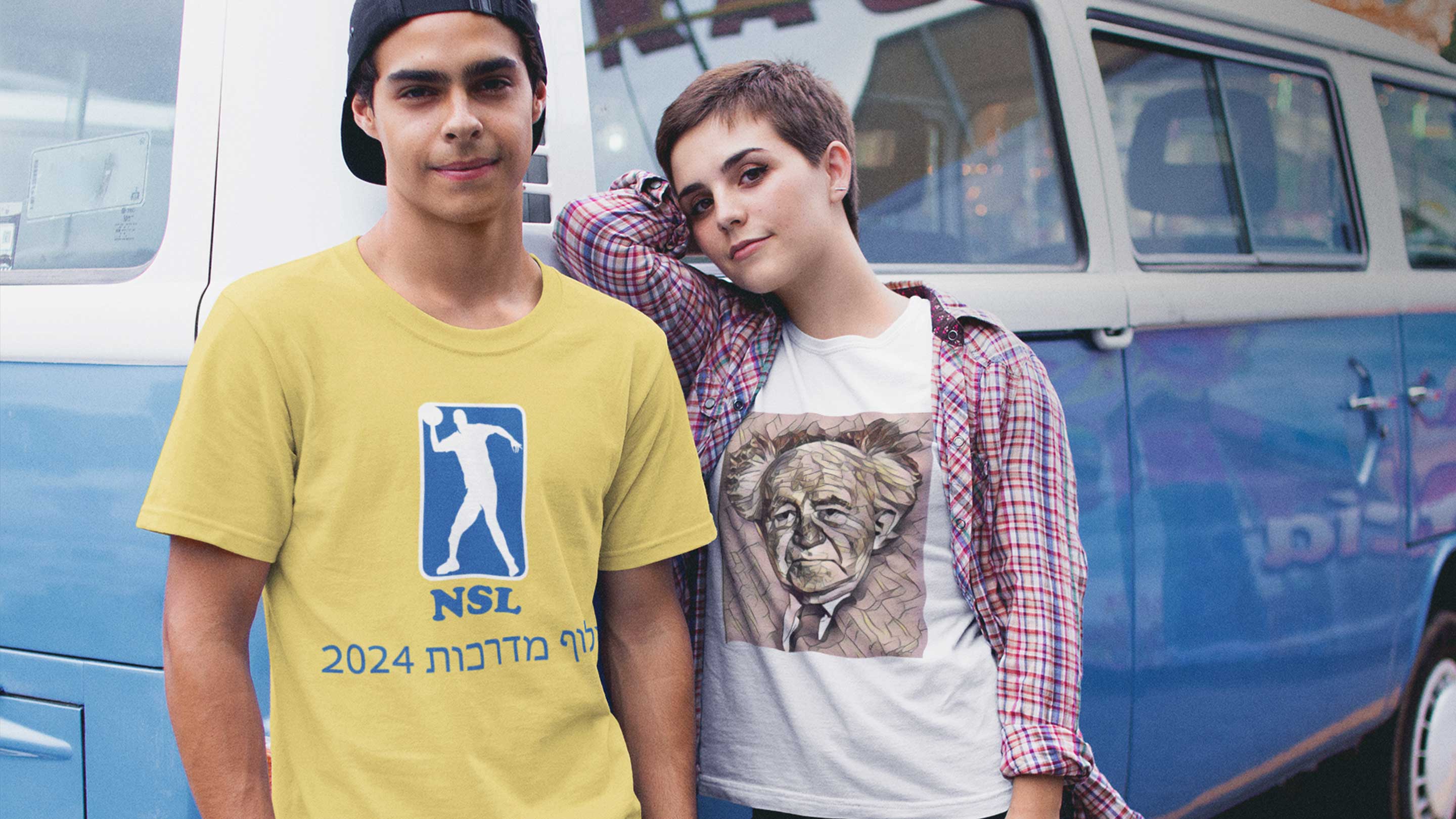
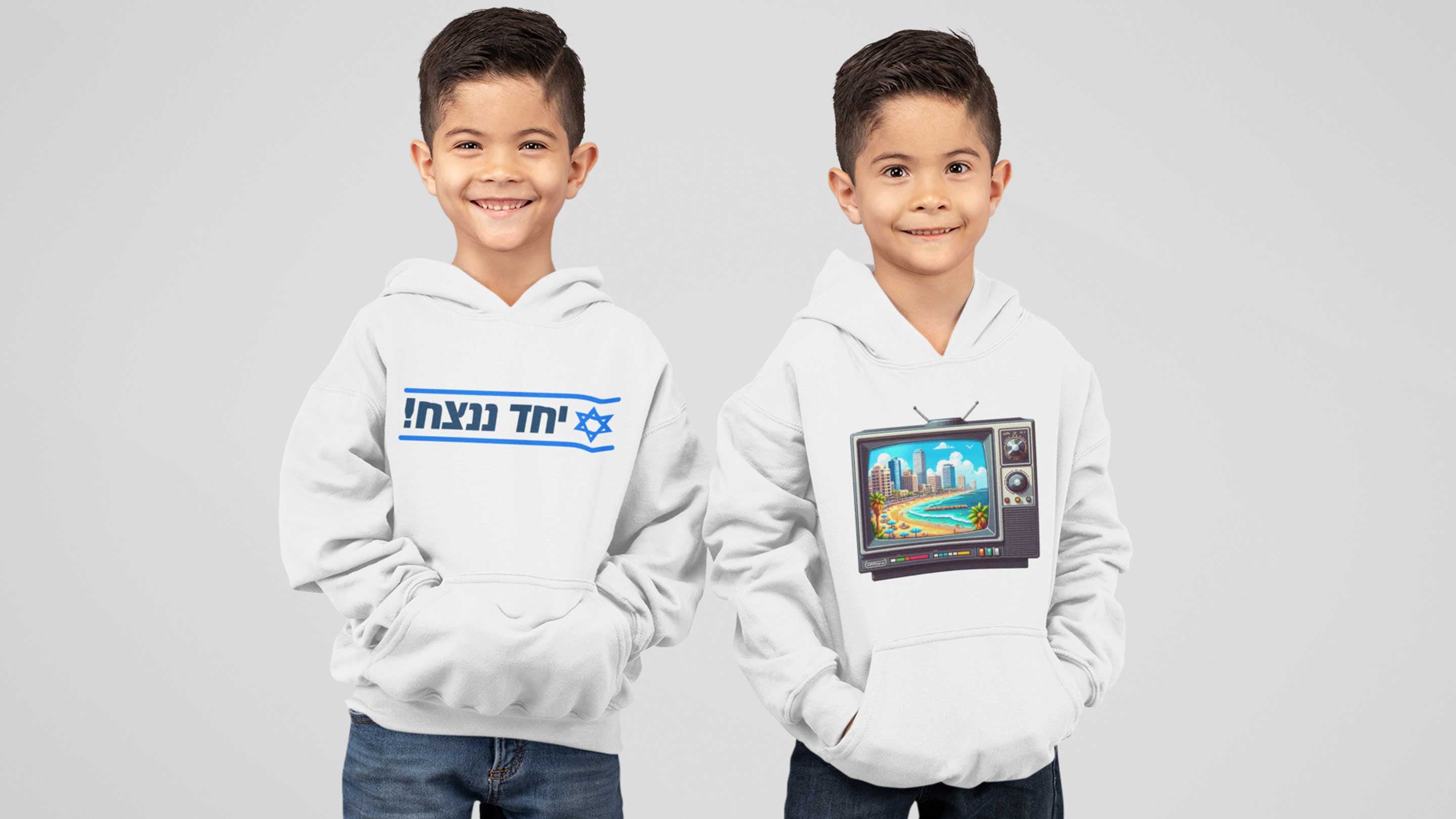
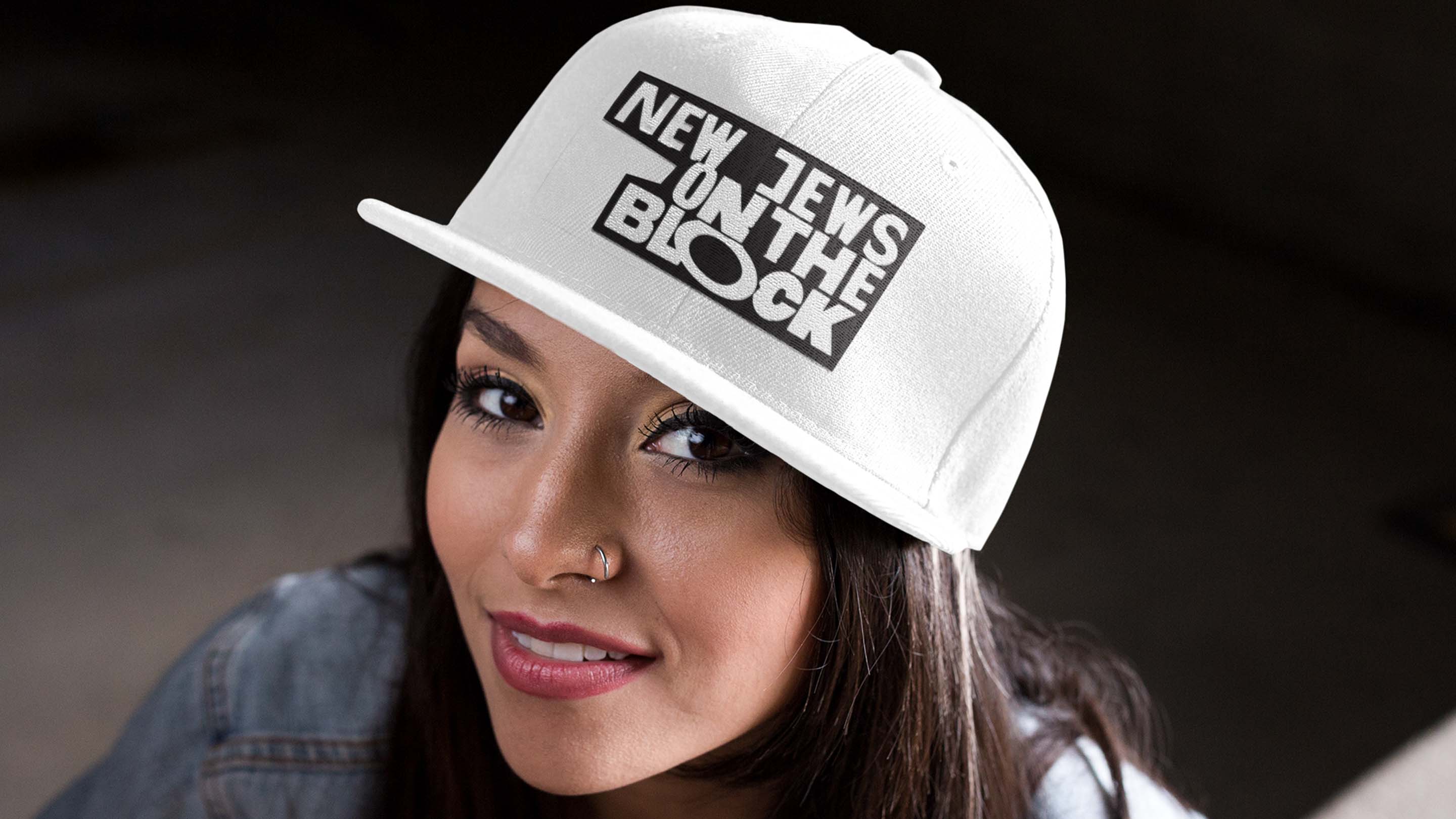
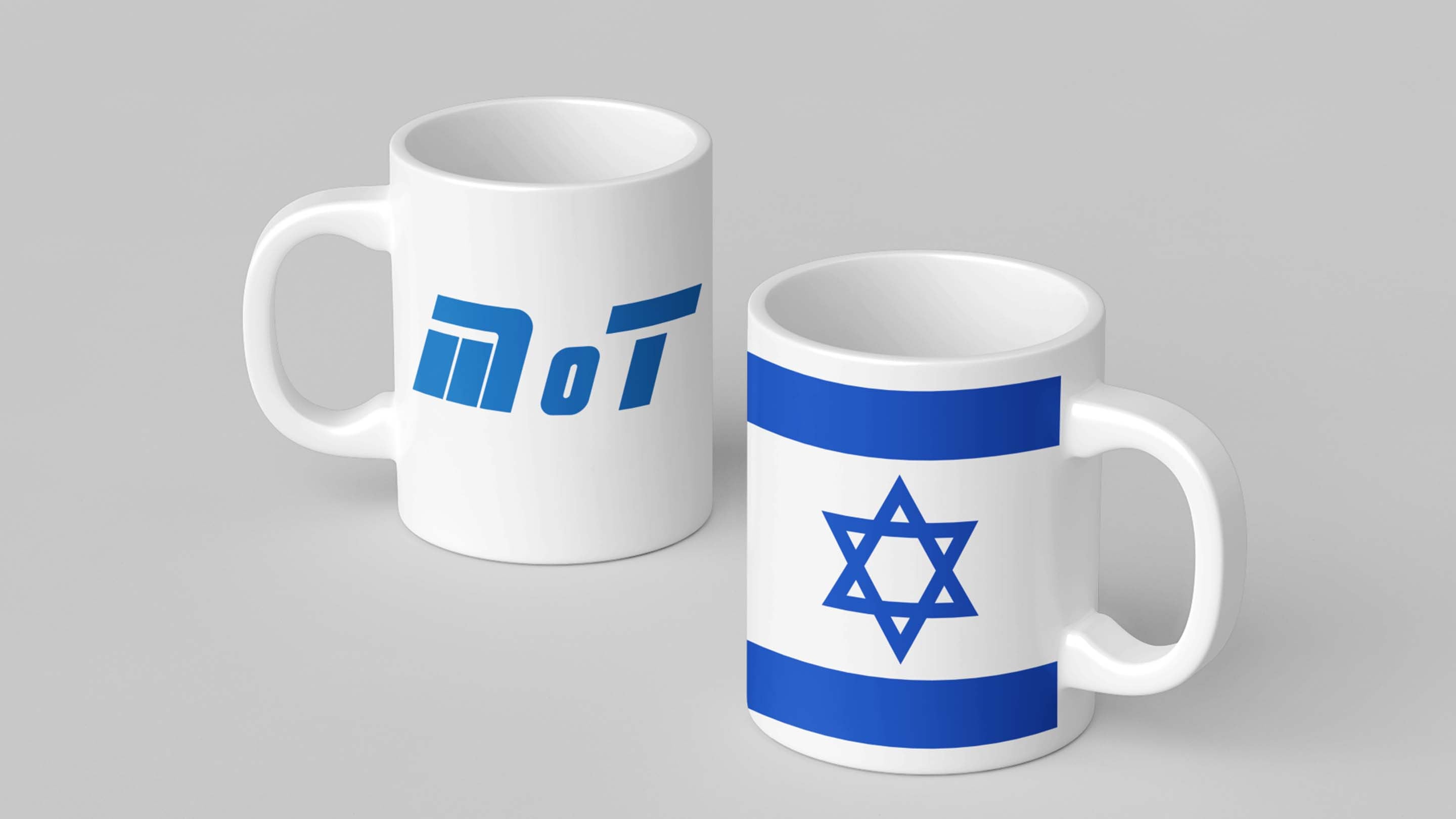
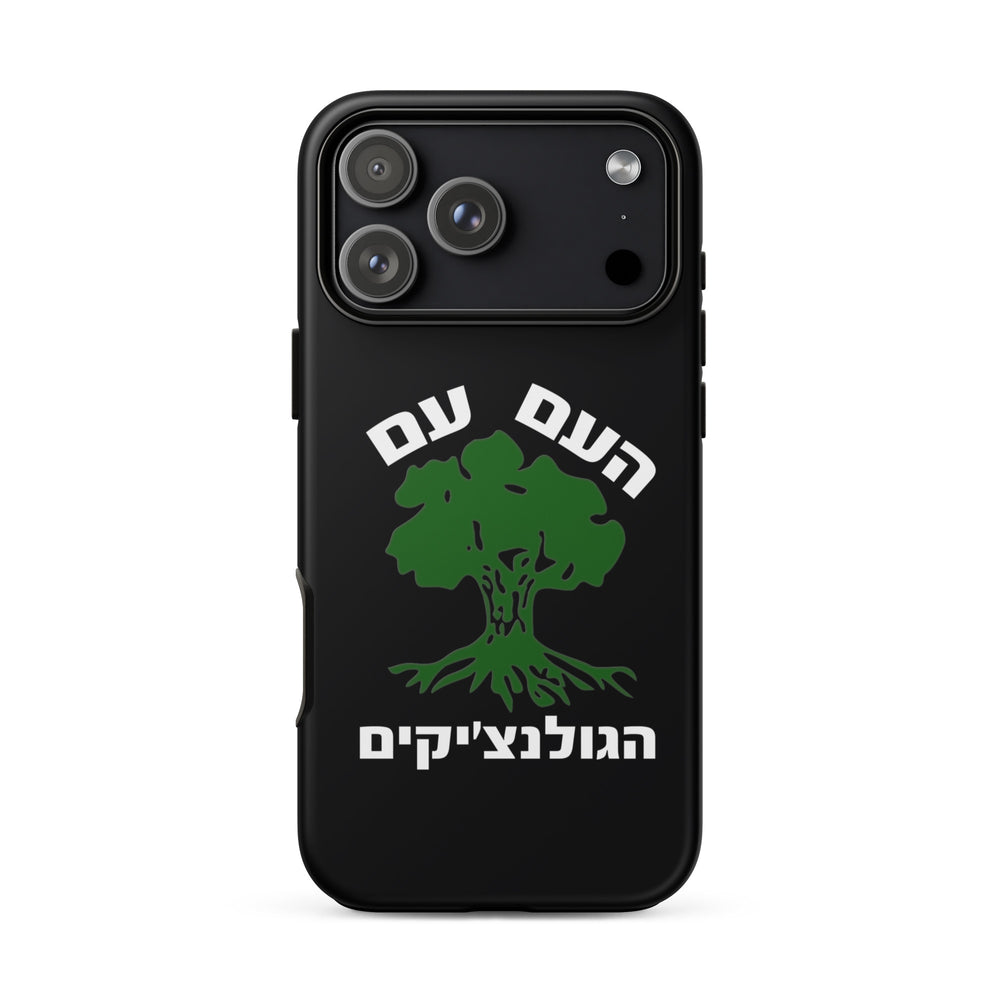
Tel Aviv's fashion scene has a distinctive character born of its contradictions. It is a city that is ancient and startup-futuristic at once, Mediterranean and Middle Eastern, laid-back and intense. Local streetwear brands channel this energy into clothing that feels unlike anything coming out of other fashion capitals. Hebrew typography — bold, angular, graphically striking — appears across hoodies and tees. Desert-inspired color palettes meet beach-culture ease. References range from biblical imagery to army-surplus utilitarianism to kibbutz nostalgia, often layered with irony and humor. The result is fashion that carries a strong sense of place without ever feeling like a souvenir.
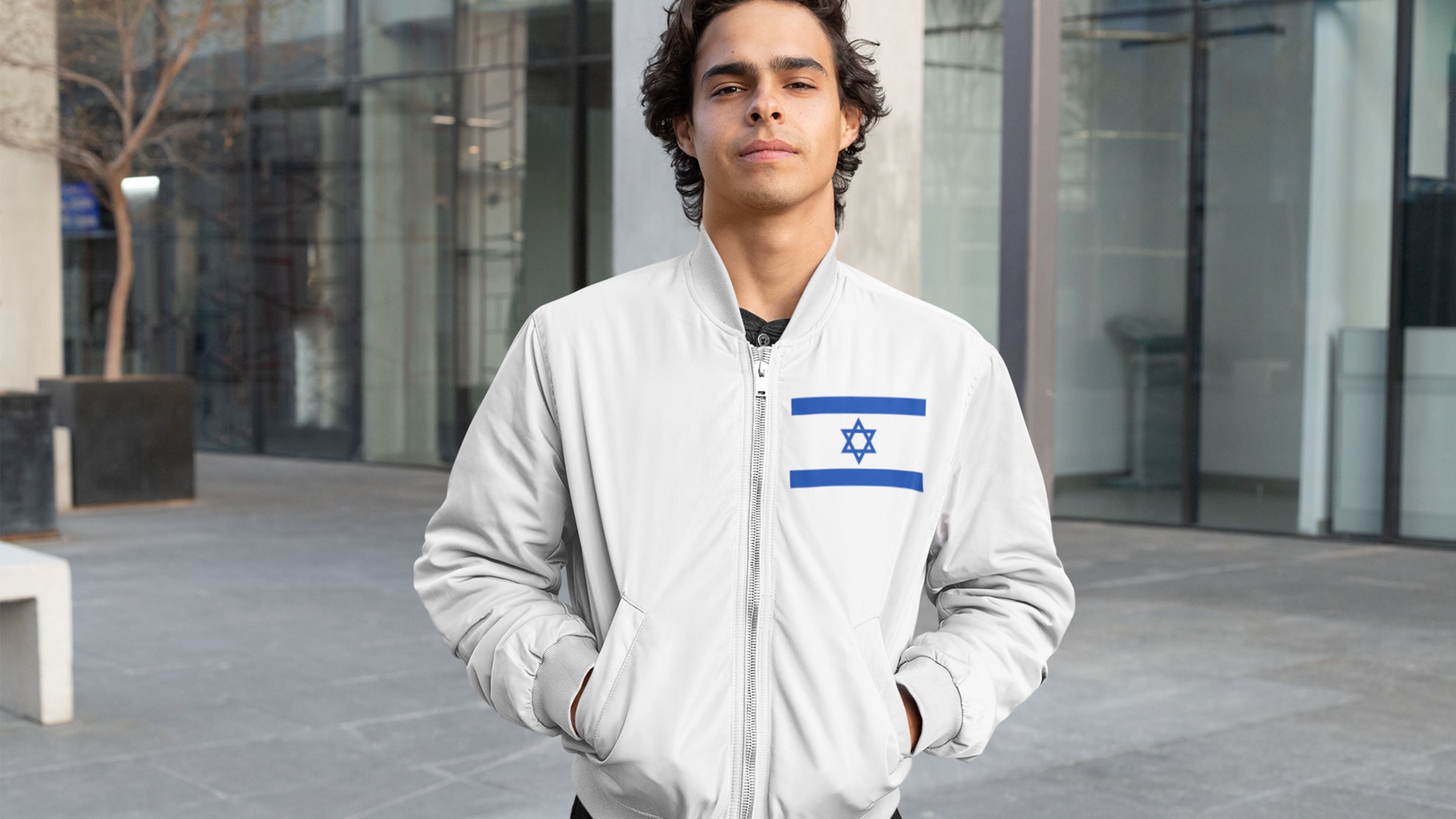
For the newer generation of diaspora Jews, this matters in ways that go beyond aesthetics. Many young Jews describe a complicated relationship with identity — proud but sometimes uncertain how to express it, connected to Israel but often only through occasional visits, family stories, or organized trips. Clothing offers an everyday bridge. Wearing a Tel Aviv label to school or a music festival is a low-key, authentic way of carrying that connection in daily life. It requires no declaration, no explanation — unless someone asks, at which point it becomes a conversation starter rather than a confrontation.
Social media has been the engine of this phenomenon. TikTok hauls, Instagram street-style edits, and creator collaborations have turned niche Israeli labels into international discoveries. A designer working out of a small studio near the Carmel Market can reach a teenager in Berlin, Buenos Aires, or Melbourne overnight. Young diaspora Jews follow Israeli fashion creators not out of obligation but out of genuine aesthetic admiration — and along the way, they absorb slang, music, humor, and cultural texture that no formal curriculum could deliver as effectively.
This points to a broader insight about presenting Judaism and Jewish culture to young people: culture travels better than lecture. A hoodie with Hebrew script does educational work no pamphlet can match. It normalizes Hebrew as a living, contemporary language rather than something confined to prayer books. It presents Israel as a source of creativity and cool rather than only a subject of news coverage and conflict. For young Jews who may feel fatigued by the heaviness that often surrounds discussions of Jewish identity, fashion offers lightness without emptiness — pride worn casually.
There is also an economic and communal dimension. Buying from Israeli designers and Jewish-owned brands has become, for many young consumers, a values-driven choice, consistent with their generation's habit of "voting with their wallet." Supporting small designers feels better to them than feeding fast-fashion giants — and when those designers are part of their own extended cultural family, the purchase carries added meaning. Community organizations have begun to notice, hosting pop-up markets and collaborating with Israeli brands for events aimed at young adults, merging commerce, culture, and connection.
None of this requires young people to hold any particular political position, and that is part of the appeal. A great garment is a great garment. Israeli streetwear succeeds internationally on design merit first — the identity resonance is a bonus layer for those who feel it. That ordering matters: the newer generation resists being marketed to through guilt or obligation, but responds enthusiastically to quality and authenticity.
The takeaway for anyone thinking about Jewish engagement is refreshingly simple. Meet young people in the cultural arenas they already love. Fashion is one of the biggest. Tel Aviv's designers have built a bridge from the Mediterranean to the global feed — and every young Jew who wears their work becomes, in a small way, a walking celebration of a culture that refuses to be reduced to headlines. From Tel Aviv to TikTok to a high school hallway near you: that is how identity travels now.
Shop the collection: Best Sellers · Funny Jewish Shirts · Jewish Gifts for Men