


Family Outfits for the Jewish Holidays: What Actually Works
Anyone who has hosted a Jewish holiday meal knows the specific chaos of getting everyone dressed and out the door. Multiply that across two days of Rosh Hashanah, then Yom Kippur, then a week of Sukkot, and wardrobe planning stops being vanity and becomes logistics.
This is what actually works for families across the autumn holidays.
Coordinated, not matching
Fully matching family outfits photograph well and wear badly. Teenagers refuse them, adults feel costumed, and the effect tips quickly from charming into staged.
The version that survives contact with a real family is a shared palette rather than a shared garment. Pick two or three colours, let everyone choose their own piece within that range, and the photographs still look intentional without anyone feeling managed.
Navy, white and cream work particularly well for the autumn holidays - they read as festive without being costume-like, and white carries its own meaning during this season.
Dressing small children
The reality of a holiday meal with young children: they will be on the floor, under the table, in the garden, and covered in honey within the first hour.
What matters:
- Pre-shrunk cotton - holiday clothes get washed repeatedly across a two-week stretch
- Relaxed fit - anything that restricts movement gets fought over
- Forgiving colours - honey, grape juice and challah crumbs are the three certainties
- No fussy fastenings - you will be re-dressing them mid-meal
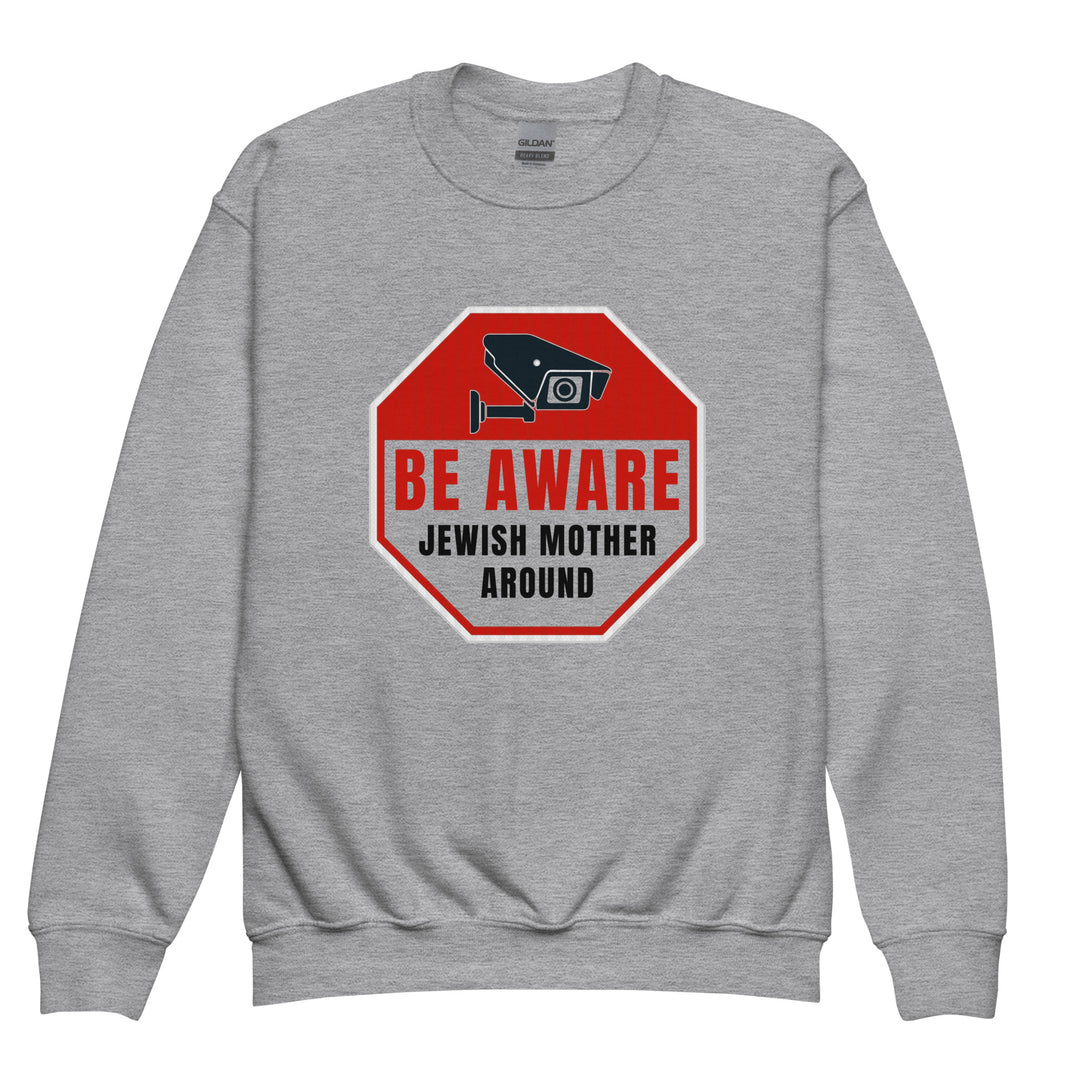
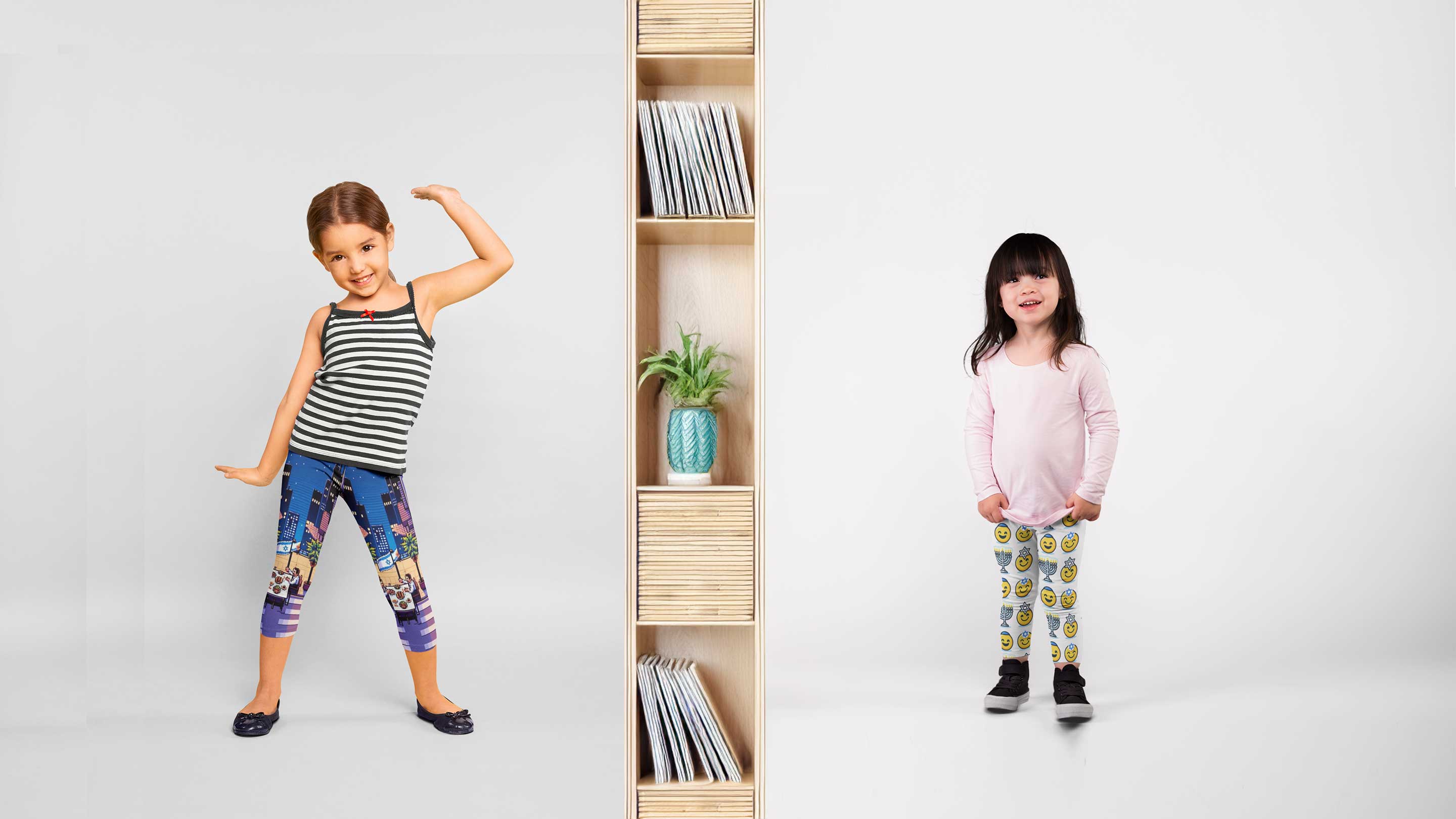
Our kids' range uses the same fabric weights as the adult pieces, which is worth something when a garment has to survive both a synagogue and a lawn.
Teenagers
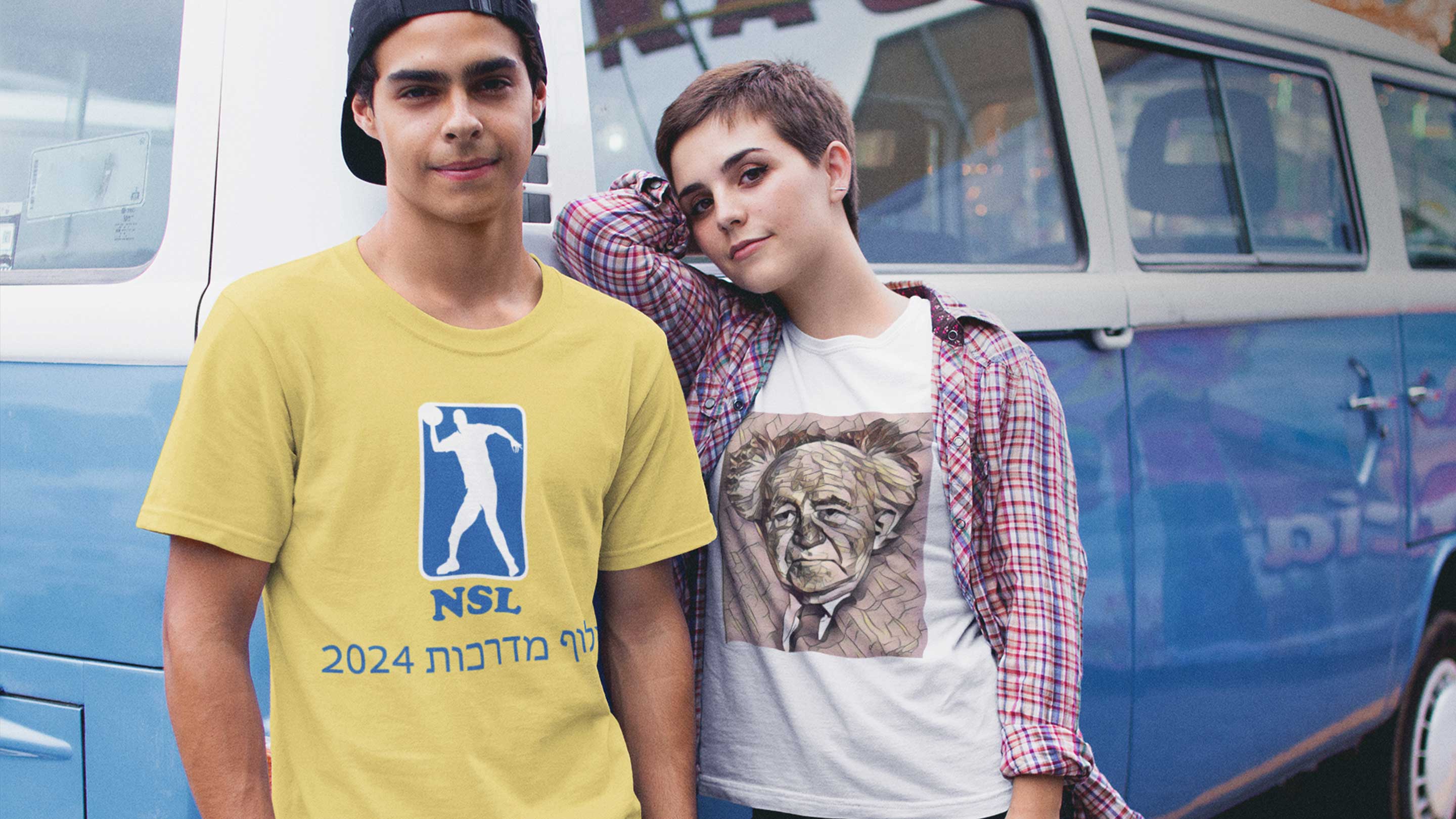
The negotiation is different here. A teenager who feels dressed by their parents will radiate that feeling across every family photograph taken for the next decade.
What tends to work is giving them the constraint and letting them solve it themselves: something in this colour range, something you would not be embarrassed to wear in front of your grandmother. Then step back.
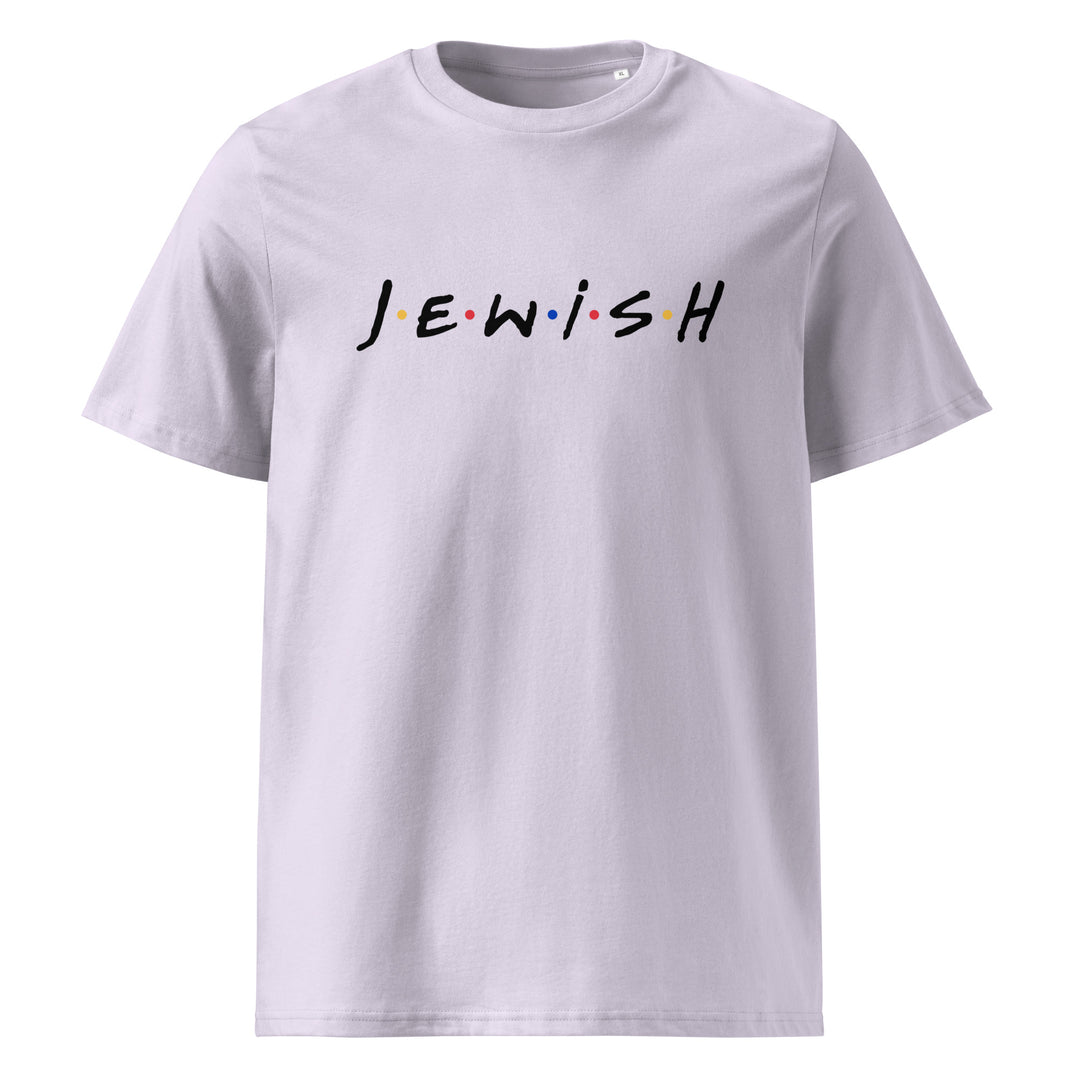
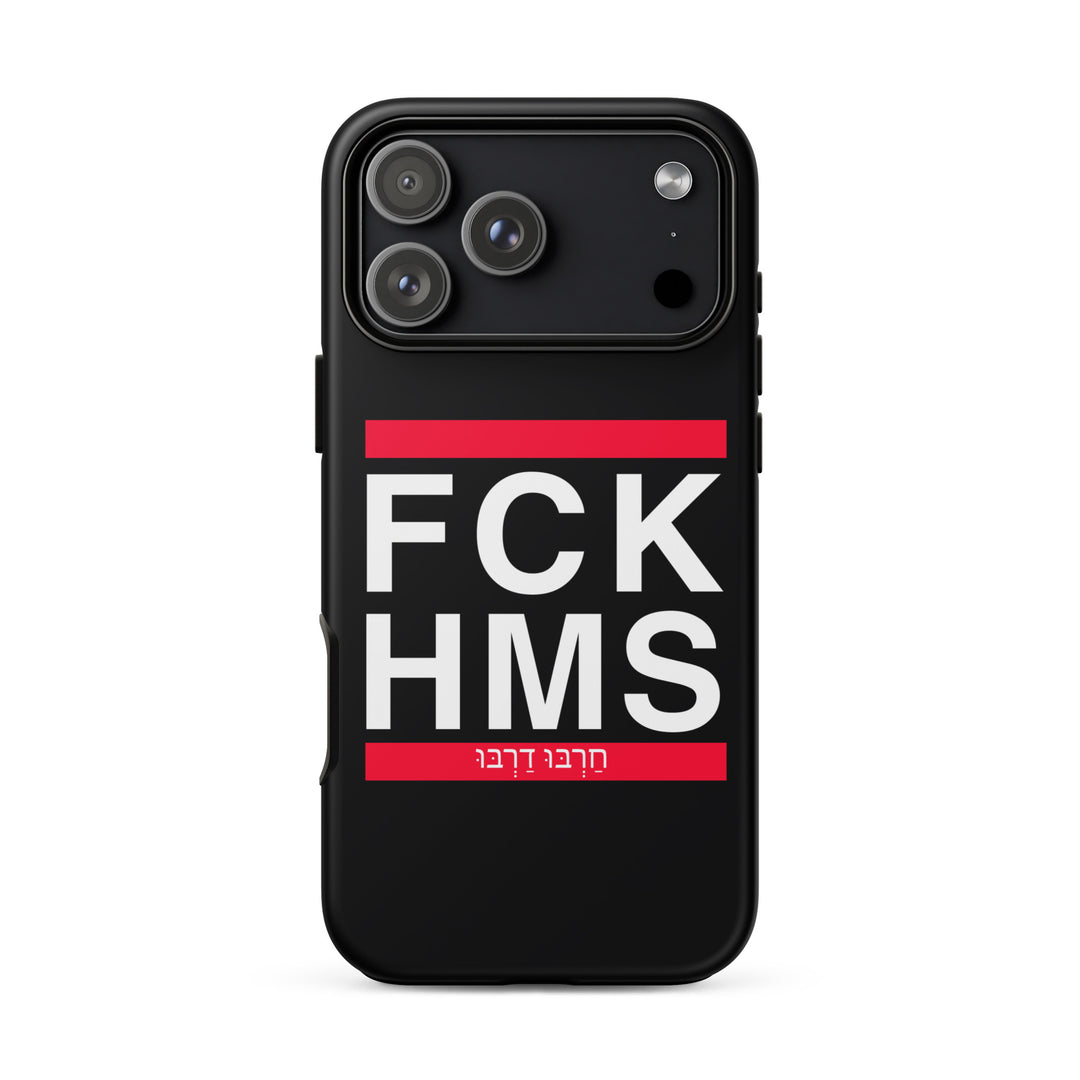
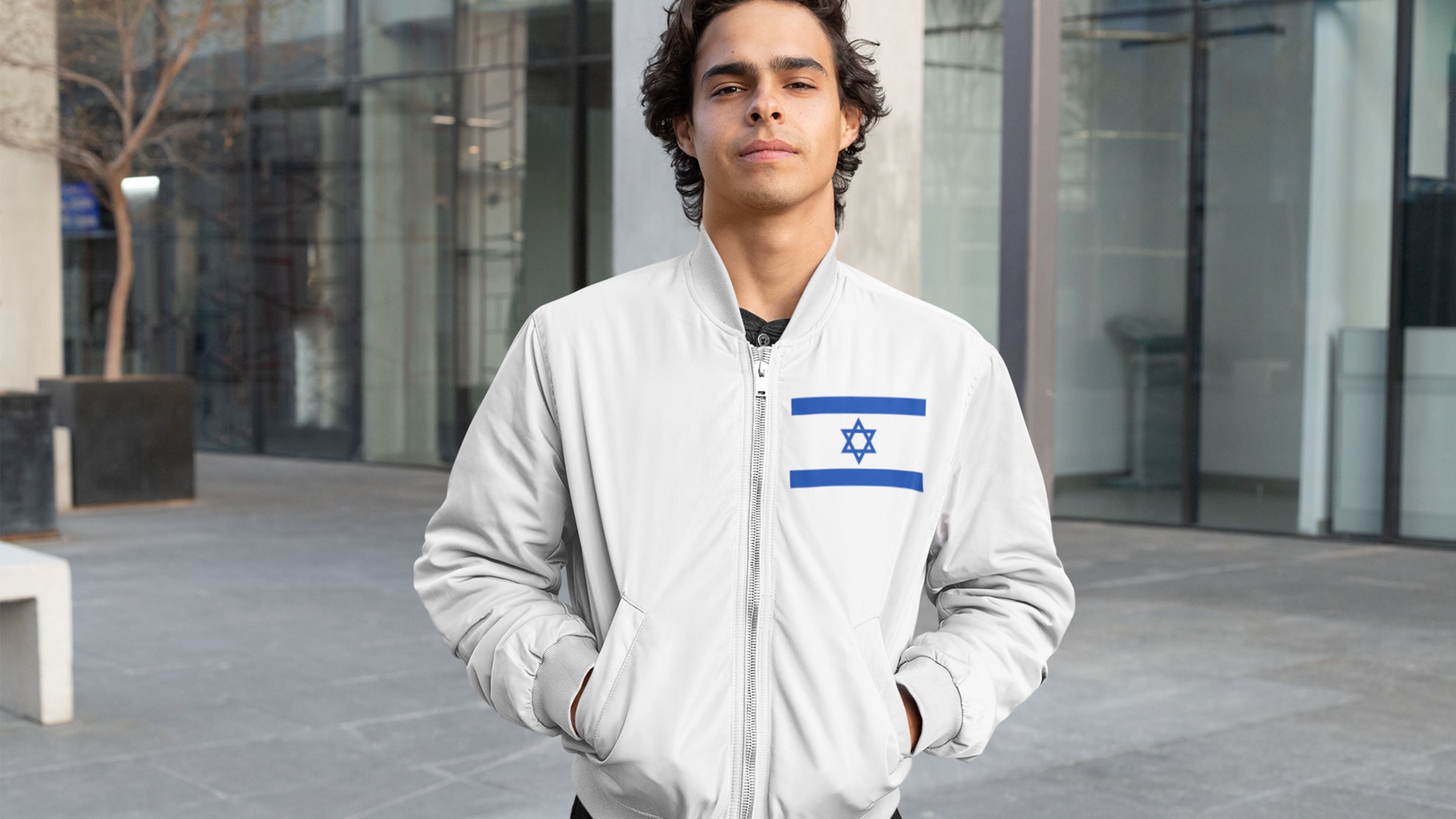
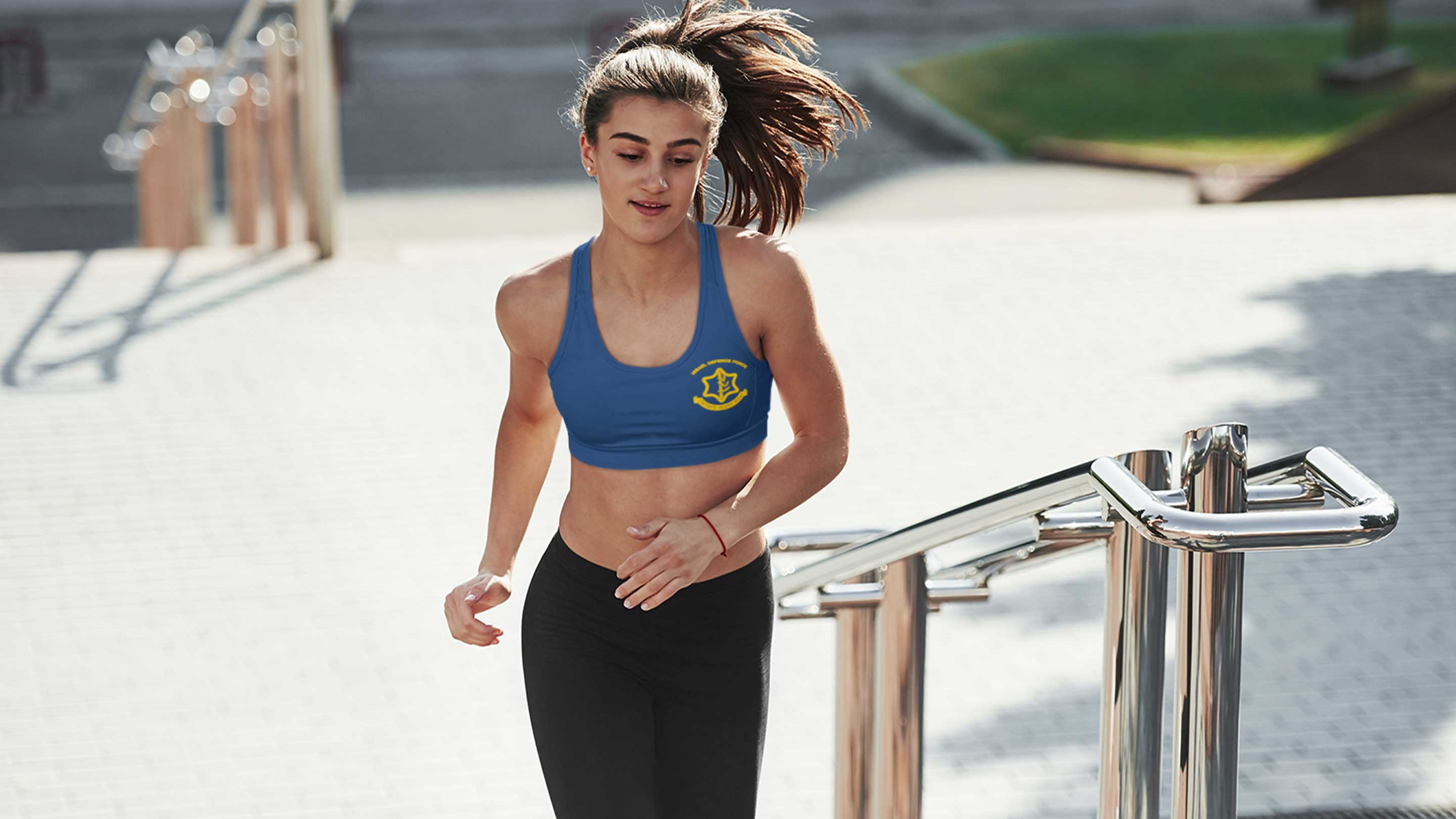
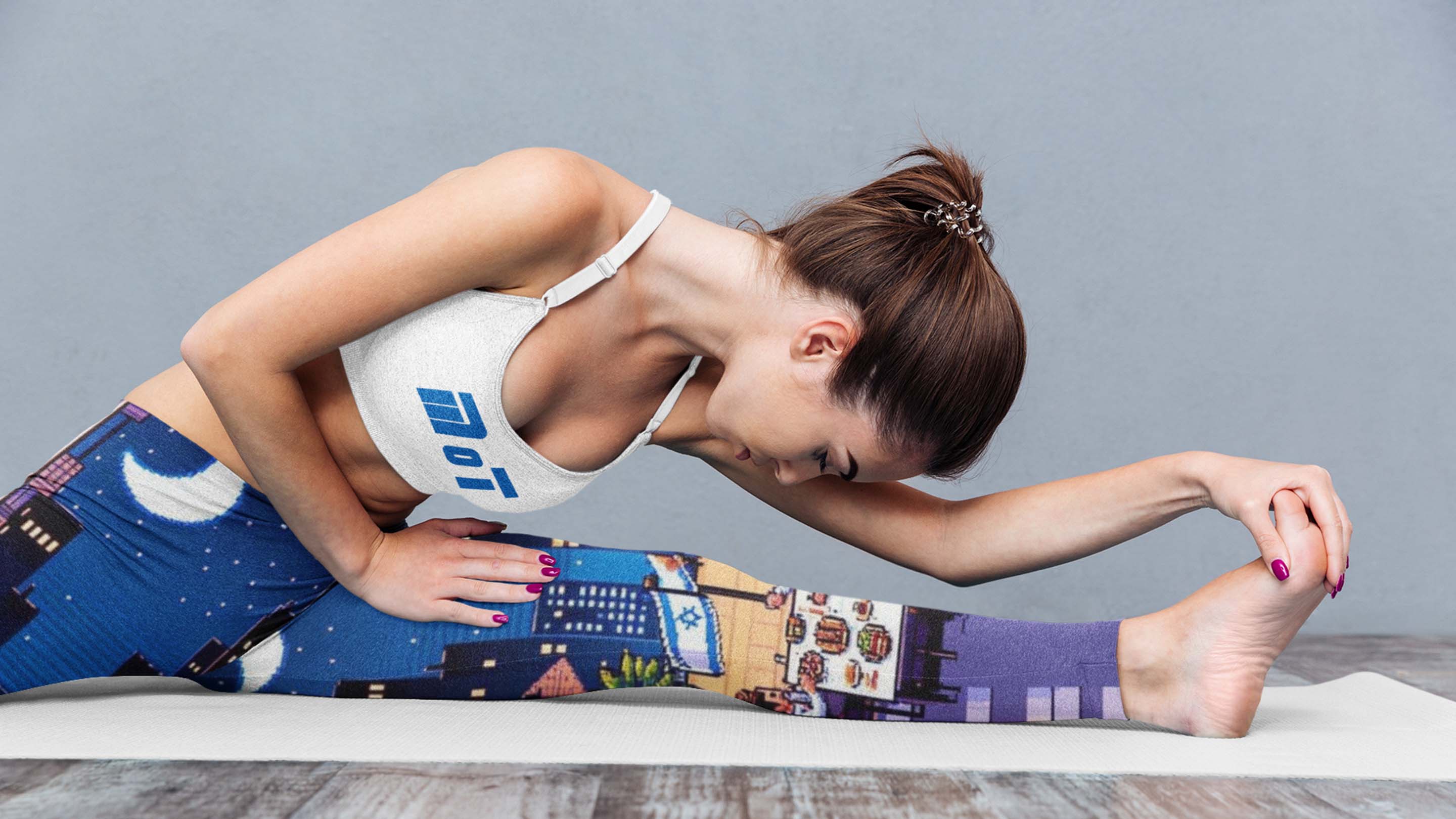
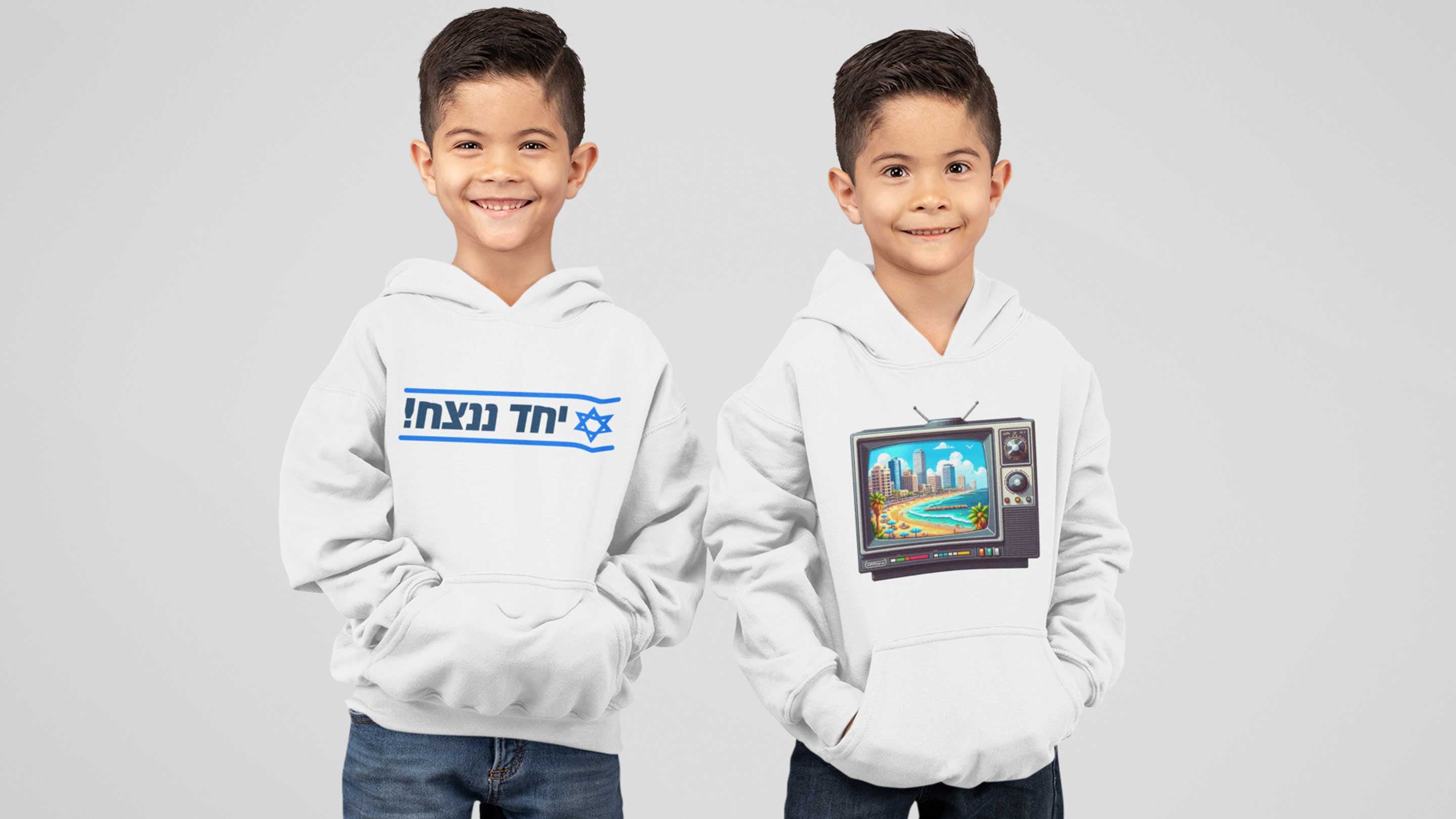
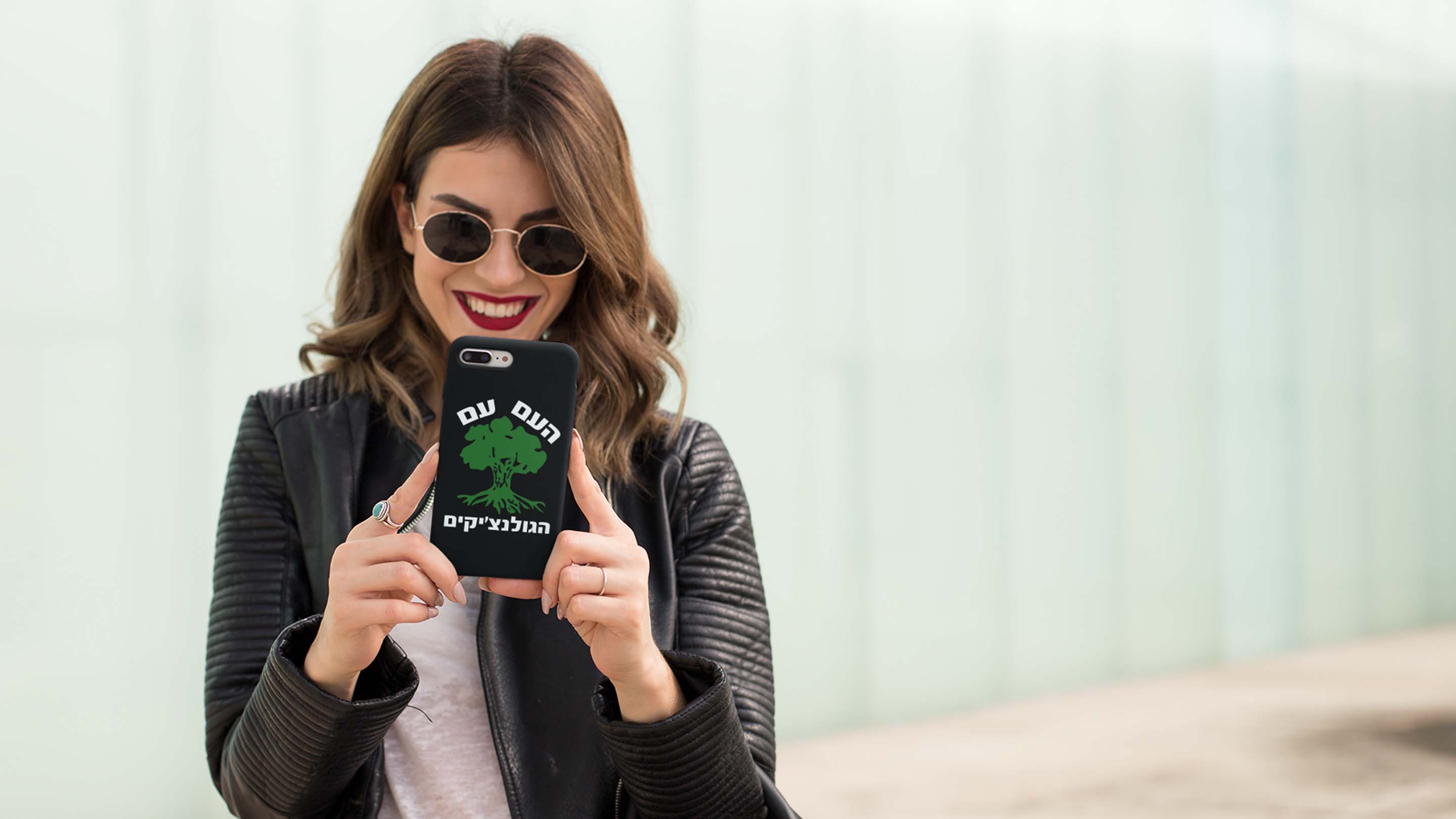
Graphic pieces with Hebrew lettering or Israel motifs land better with this age group than anything explicitly "holiday" - it reads as identity rather than costume, which is a distinction teenagers care about a great deal.
The two-day problem
Rosh Hashanah runs for two days, and Sukkot for a full week. Nobody has that many holiday outfits, and nobody should.
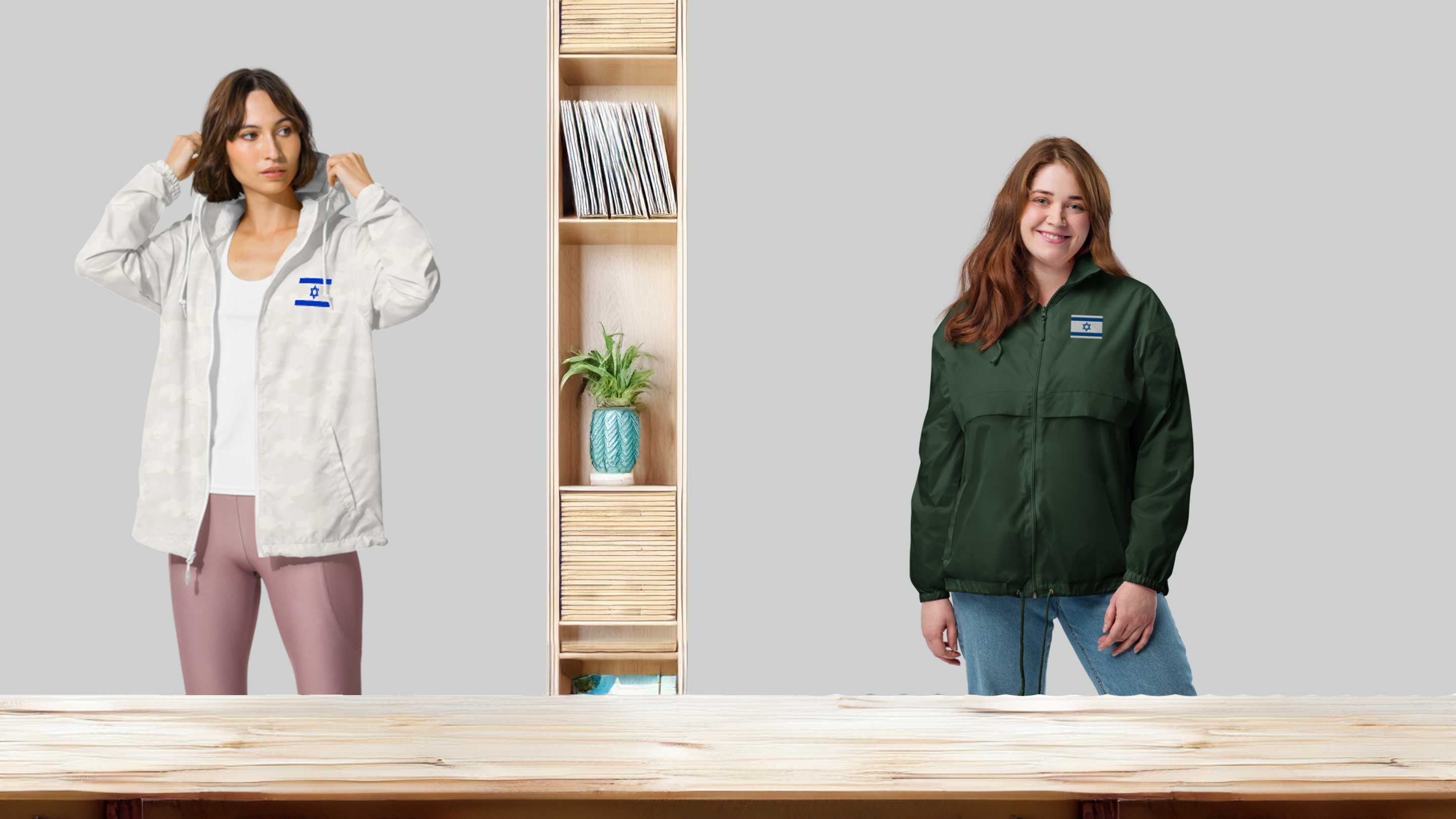
The workable approach is a small rotation built around layering. One or two base pieces per person, a couple of second layers, and different combinations across the days. Most people will not notice, and the ones who do will not care.
Sukkah-specific notes
Meals in the sukkah change the requirements. You are outdoors, after dark, in September or October.
Bring a layer for everyone, including the children who insist they are not cold. Long sleeves help with insects. And accept that anything worn in a sukkah picks up a faint smell of the greenery overhead - which most families come to associate fondly with the holiday.
The new-garment custom
There is a widespread custom of wearing something new on the first night of Rosh Hashanah, so that the Shehecheyanu blessing can be said over it. For families this is a genuinely nice ritual to build in: one new piece each, worn for the first time that evening.
It also solves the perennial question of what to give children for a holiday that is not really about gifts.
What nobody will remember
Worth saying plainly: no one at any table will recall what anyone wore. They will remember whether the meal felt warm, whether the children were happy, and whether the person who usually argues managed not to.
Dress everyone comfortably, take one photograph early before anything is spilled, and let the rest go.