

Autumn Layering: Dressing for the Jewish Holiday Season
The Jewish autumn is dense. Rosh Hashanah, Yom Kippur, Sukkot and Simchat Torah arrive within four weeks of each other, and they demand very different things from a wardrobe - synagogue mornings, long family lunches, evenings sitting outside in a sukkah, and, in most of the northern hemisphere, weather that cannot decide what it is doing.
This is a practical guide to dressing for that stretch.
The core problem
Holiday clothing has to do two jobs that usually conflict. It needs to be presentable enough for a synagogue and a set table. It also needs to survive eight hours of family, children, food, and - during Sukkot - being outdoors after dark.
Formal-only wardrobes fail the second test. Casual-only wardrobes fail the first. The answer is layering, which lets one outfit shift register across a day.
The base layer
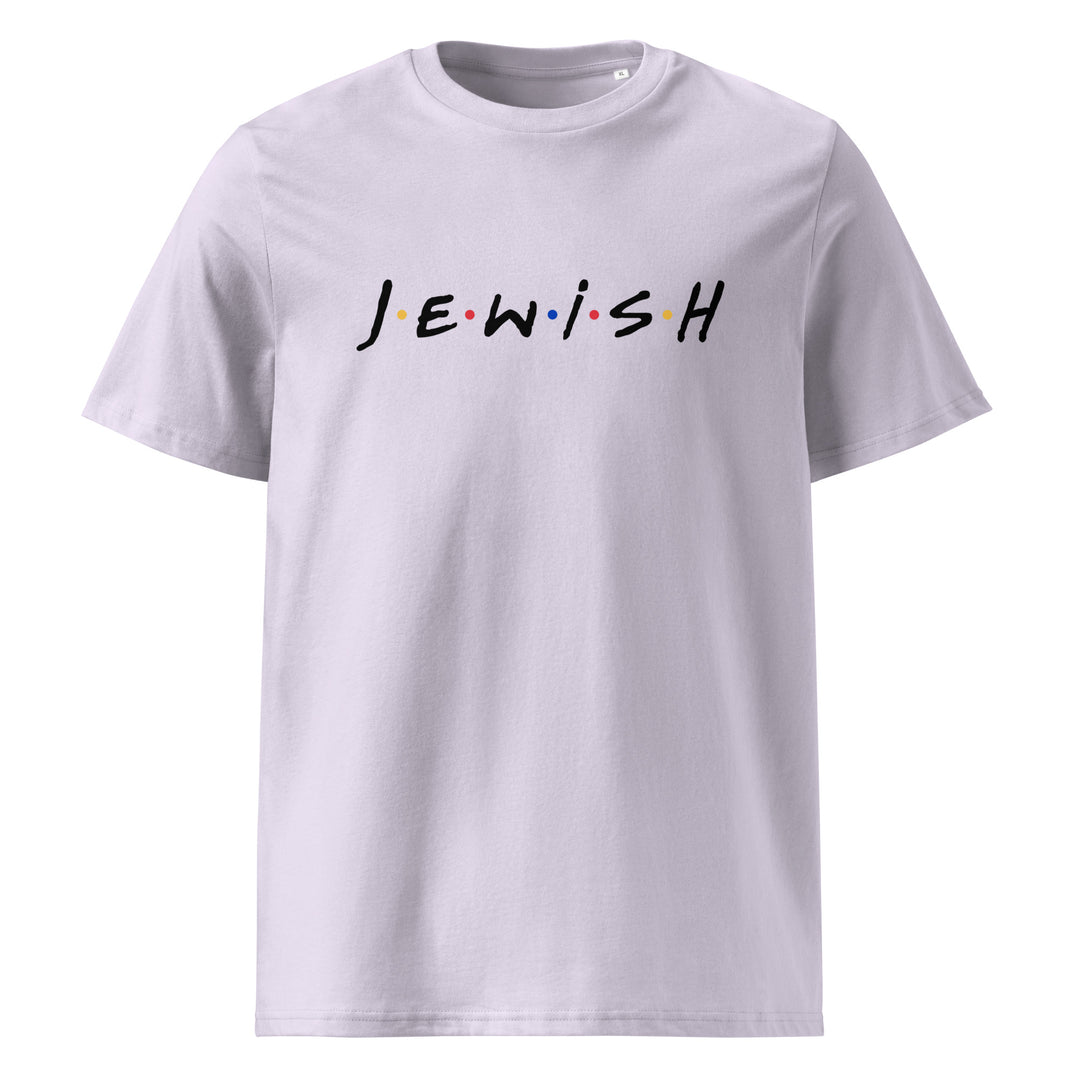
Start with something you would be comfortable wearing for eight hours straight. A well-cut tee in a solid colour does more work than people expect - it disappears under a layer for services and stands alone when the room warms up.
Fabric matters more than design here. Ring-spun cotton holds shape through a long day; heavier weights sit better and wrinkle less when you have been sitting down for hours.
The middle layer
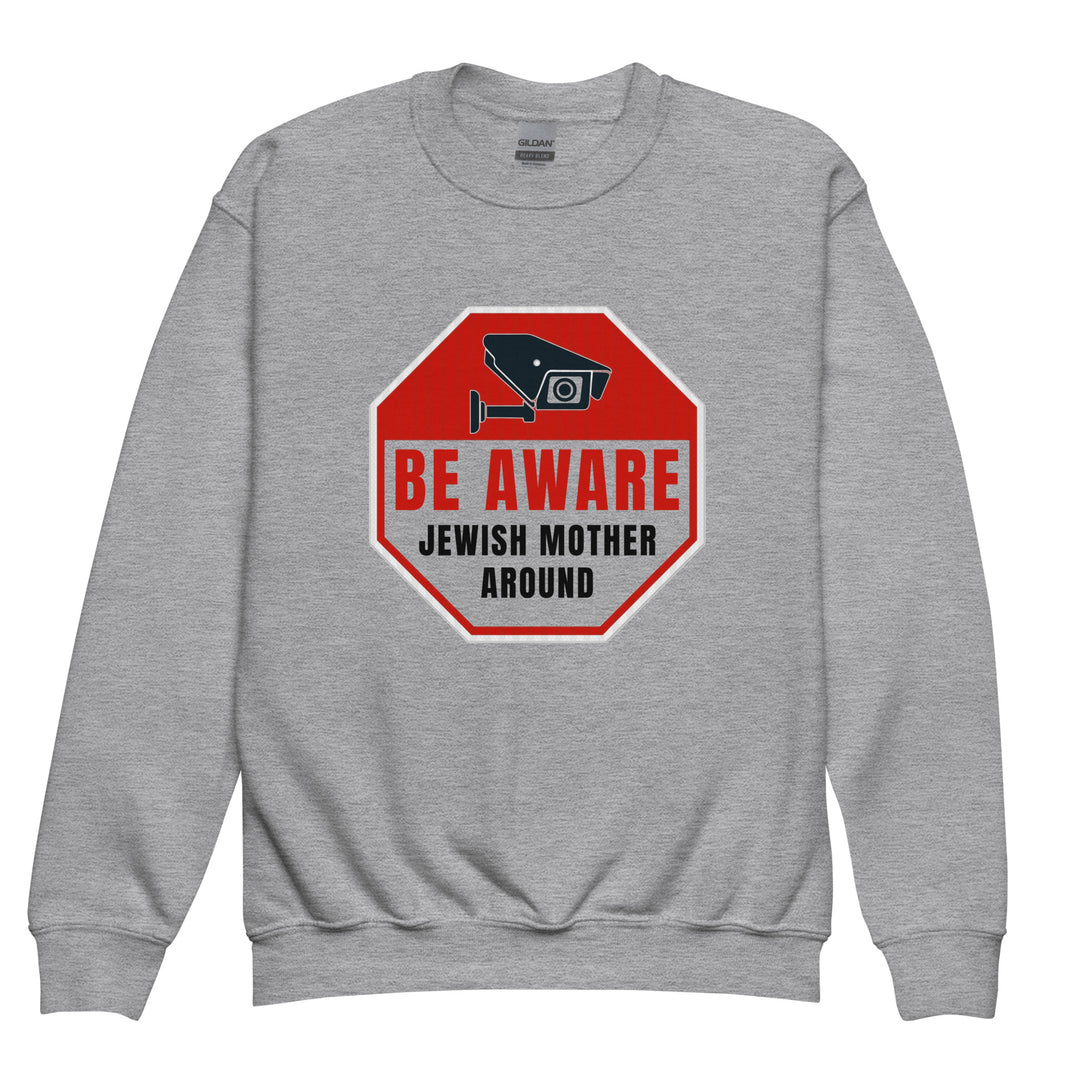
This is where the autumn wardrobe actually lives. A crewneck sweatshirt or a hoodie in a substantial weight covers the temperature swing between a warm synagogue and a cold walk home.
For pieces that carry meaning as well as warmth, our hoodies and sweatshirts run across Hebrew typography, Israel motifs, and quieter designs. A cotton-poly blend around 8oz is the sweet spot for this season - warm enough for evenings, not so heavy it becomes a problem indoors.
One consideration specific to the holidays: if you will be moving between formal and informal settings in the same day, a crewneck reads dressier than a hood.
Sukkot specifically
Sukkot is the outlier. The mitzvah involves eating - and for some, sleeping - in a temporary structure outdoors, which in September and October means genuine cold after sunset.
Practical notes for sukkah evenings:
- Add a layer you can remove and put back on without ceremony
- Long sleeves matter more than heavy fabric - insects are still active in early autumn
- Dark colours are forgiving; a sukkah involves food, wind, and occasionally falling schach
- Whatever you wear will end up smelling faintly of the greenery on the roof, which is not a complaint
Dressing children
Children move between the table, the garden, and the floor across a holiday meal. The wardrobe that works is one you do not have to police.
Pre-shrunk cotton, relaxed fit, and colours that hide honey. Our kids' range is built on the same fabrics as the adult pieces, which matters when a garment has to survive both a synagogue and a lawn.
The new-garment custom
There is a widespread custom of wearing something new on Rosh Hashanah, specifically so that the Shehecheyanu blessing can be said over it - the blessing thanking God for bringing us to this moment.
It is a small practice with a nice logic: the new year gets marked on your body, not just on the calendar. If you are buying anything for the season, buying it in time to wear on the first night gives it that extra layer of meaning.
What actually matters
None of this is halacha. There is no rule requiring a particular garment, and nobody at any table worth eating at is assessing your outfit.
The custom is simply about marking the day as different from other days. A new shirt does that. So does an old one, pressed. The intention is the part that counts.
Shop the look
Middle layers that carry meaning as well as warmth:


Read next: Sukkot 2026: A Guide to the Season of Our Rejoicing